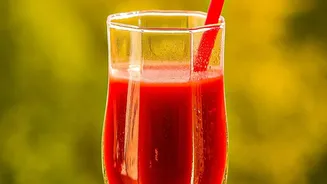








Cold-pressed juice has a powerful health halo, seen as a quick way to get a concentrated dose of vitamins. But this wellness trend has a hidden downside: the potential for significant blood sugar spikes that affect everyone, not just diabetics.
The Illusion of 'Healthy' Sugar
The marketing
is compelling: pure, raw nutrients from fruits and vegetables, pressed to preserve goodness. While cold-pressing does protect heat-sensitive vitamins, the process has a critical side effect. To create juice, manufacturers extract the liquid and discard the solid parts of the fruit—the pulp, skin, and fibrous membranes. This is a problem because that's where the dietary fibre is. Without fibre, you are left with a beverage that contains all the sugar of multiple fruits, but none of the structural components that help your body manage it. A single glass of juice can contain the sugar of several oranges, which you can drink in seconds, unlike the time it would take to eat them whole.
Fibre: The Missing Speed Bump
Think of fibre as your body's natural traffic calming system for sugar. When you eat a whole apple, its soluble fibre dissolves in water and forms a gel-like substance in your stomach. This gel slows down digestion, meaning the natural sugars from the apple are released gradually into your bloodstream. Juicing removes this essential ingredient. Without fibre to slow it down, the sugar from juice hits your system like a freight train, causing a rapid and sharp increase in blood glucose. This is why whole fruit has a much lower glycemic impact than its juice. An orange, for example, has a glycemic index (GI) of around 40, while its juice can be as high as 66—closer to that of a sugary cola.
The Clear Risk for Diabetics
For individuals with type 1 or type 2 diabetes, managing blood sugar is a constant and critical task. A sudden influx of sugar from a glass of juice can overwhelm the body's ability to produce or use insulin effectively, leading to hyperglycaemia (high blood sugar). While small amounts of juice can be used to treat hypoglycaemia (low blood sugar), its regular consumption can make glucose control much more difficult. For this reason, health professionals often advise people with diabetes to prioritize whole fruits over juices to avoid these volatile spikes and better manage their condition.
Why Non-Diabetics Should Pay Attention Too
You don't need to have a diabetes diagnosis to be concerned about blood sugar spikes. When your blood sugar rises quickly, your pancreas releases a large amount of insulin to move that sugar into your cells. This can lead to a subsequent 'crash', leaving you feeling tired, irritable, and craving more sugar. Over the long term, subjecting your body to these frequent spikes and crashes can have serious consequences. Studies show that regular glucose spikes, even in healthy individuals, can contribute to inflammation, oxidative stress, and an increased risk of developing chronic conditions like heart disease and insulin resistance—a precursor to type 2 diabetes.
Smarter Ways to Sip and Eat
This doesn't mean you must avoid fruit entirely. The key is to consume it in a form that supports, rather than overwhelms, your metabolic health. Prioritise eating your fruits whole to get the full benefit of their fibre, vitamins, and minerals. If you enjoy a liquid fruit option, consider a smoothie. Blending a whole fruit or vegetable keeps all the fibre intact, resulting in a thicker drink that is more filling and gentler on your blood sugar. If you do choose to drink juice, treat it as a small part of a balanced meal containing protein and healthy fats, which can help blunt the glycemic response.