
Navigating the New AI Workplace
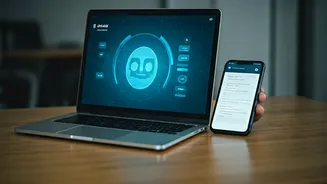
Artificial intelligence has moved from a futuristic concept to a daily collaborator in the workplace. AI tools now draft emails, summarize meetings, and analyze data, handling routine tasks with incredible efficiency. This shift, however, doesn't make
human communication obsolete; it makes it more valuable. As technology automates repetitive work, uniquely human skills like empathy, negotiation, and building rapport become the key differentiators. While AI can process information, it cannot replicate emotional intelligence, read the nuances of a room, or build trust. In fact, many executives now rank communication as the top leadership skill that AI cannot replace. In 2026, the most effective professionals will be those who can work alongside AI, using their communication skills to interpret its outputs, ask the right questions, and apply human judgment to its data-driven insights.
The Challenge of Hybrid and Remote Work
The widespread adoption of hybrid and remote work is no longer an experiment; it's a permanent feature of the modern economy. This model offers flexibility but also introduces significant communication challenges. Without the spontaneous conversations of a shared office, teams can experience information gaps, feelings of isolation, and a fragmented company culture. Remote employees often report difficulties with communication clarity, which can lead to missed deadlines and confusion. Success in a hybrid environment requires leaders and team members to be far more intentional about how they connect. This means establishing clear norms for different communication channels, documenting key decisions for asynchronous review, and ensuring meetings have a distinct purpose. In 2026, simply having access to tools like Slack or Zoom is not enough; thriving requires a deliberate communication strategy that fosters connection and clarity, regardless of where employees are located.
Rebuilding Trust in an Era of Misinformation
We are living in an age of information overload, where distinguishing fact from fiction is a constant challenge. The rise of AI-generated content adds another layer of complexity, making it easier for misinformation to spread rapidly. This digital fog has real-world consequences for businesses, where trust is a valuable asset. A single piece of false information can damage a brand's reputation and erode consumer confidence. In this environment, clear, transparent, and authentic communication is the most effective antidote. For leaders, this means proactively building brand equity through honest messaging and empowering employees to be credible advocates. Within teams, fostering a culture of psychological safety where people feel comfortable asking questions is crucial to preventing rumors from taking hold. In 2026, communication is a core part of risk management; it's how organizations build resilience and maintain the trust of their employees and customers alike.
The Economic Value of a Human Connection
Beyond productivity and efficiency, there is a growing recognition of the economic value of so-called 'soft skills'. In a market where technical skills have a shorter shelf-life due to rapid technological change, durable human skills like communication, collaboration, and emotional intelligence are becoming more important than ever. Research has shown that employers now place an enormous value on these interpersonal abilities, sometimes even more than on specific technical proficiencies. Employees with strong communication skills are not only more effective in their roles but also tend to advance into leadership positions more quickly. In an increasingly isolated digital world, the ability to forge genuine connections with colleagues and clients drives engagement, fosters innovation, and enhances well-being, all of which have a direct impact on a company's bottom line.