



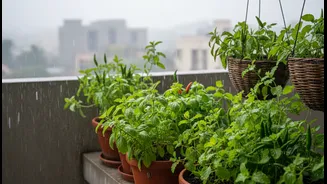


Choosing the Right Monsoon-Friendly Plants
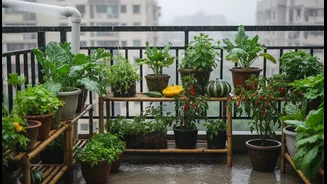
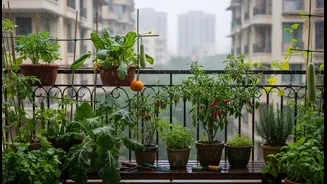
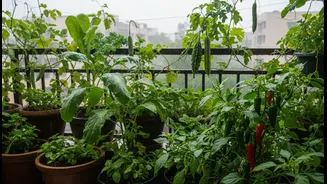
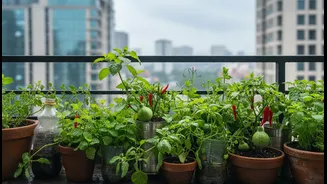
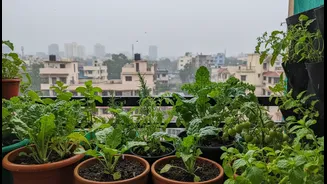
The key to a successful monsoon garden is selecting plants that thrive in high humidity and moderate temperatures. Leafy greens are an excellent choice as they grow quickly in these conditions. Consider planting spinach (palak), amaranth (chaulai), and coriander
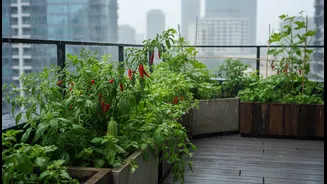
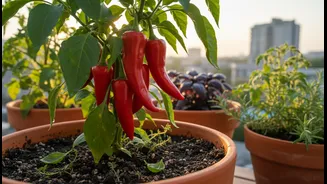
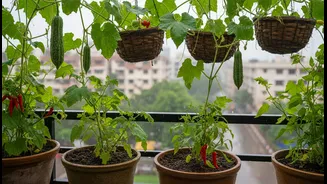
(dhania). Fruiting vegetables that do well in containers include tomatoes, chillies, and brinjal (eggplant). If you have space for a small trellis, climbing plants like beans and even some gourd varieties can be very productive. Okra (bhindi) is another warm-weather vegetable that flourishes during the monsoon and can be grown in medium-sized pots. For beginners, starting with herbs like mint and tulsi is a rewarding and low-maintenance option.
The Perfect Pot and Soil Setup
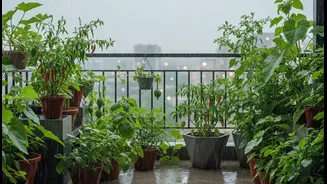
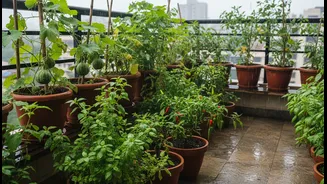
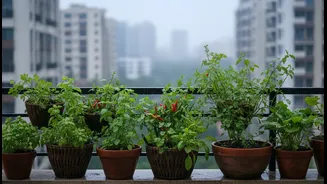
In a season defined by water, proper drainage is the most critical factor for container gardening. Excess water can lead to root rot. Choose pots with plenty of drainage holes. Terracotta pots are a good option as they are porous and allow soil to breathe. Garden soil alone is too heavy and compacts easily when wet. Instead, use a light, well-draining potting mix. You can create your own by combining equal parts cocopeat (or peat moss), compost, and perlite. This mixture holds enough moisture for the roots while allowing excess rainwater to drain away freely, preventing waterlogging.
Protecting Plants from Heavy Rain and Wind
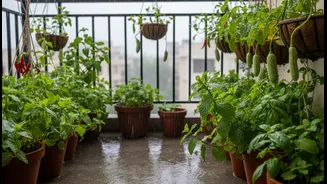
While monsoon showers are beneficial, a torrential downpour or strong gust of wind can damage delicate plants. If possible, position your pots where they receive ample sunlight but are sheltered from the direct force of heavy rain, perhaps near a wall or under an overhang. For taller plants like tomatoes or beans on a trellis, provide stakes for support to prevent them from snapping in the wind. If a major storm is forecast, you can temporarily move smaller pots indoors or group them together in a sheltered corner for stability. Using heavier pots or weighing down lighter ones can also prevent them from tipping over.
Monsoon Care: Watering and Pest Management
A common mistake during the rainy season is overwatering. The rain may provide enough moisture for days at a time. Always check the soil before watering; if the top inch feels damp, your plants don't need more water. High humidity can also invite pests like aphids and fungal diseases. Regularly inspect the undersides of leaves for any signs of infestation. A simple spray of neem oil mixed with water and a few drops of liquid soap is an effective organic solution to keep most pests at bay. Ensuring good air circulation around your plants by not overcrowding them will also help prevent fungal growth.
Feeding Your Plants and Harvesting the Rewards
Frequent rains can wash away essential nutrients from the soil in your pots. To keep your plants healthy and productive, it’s important to replenish these nutrients. Feed your plants every two to three weeks with a balanced liquid fertiliser or by adding a handful of compost to the topsoil. Harvesting regularly also encourages many plants, like leafy greens and beans, to produce more. There is nothing more satisfying than snipping fresh herbs for your tea or adding homegrown tomatoes to a salad, bringing the literal fruits of your labour from your balcony directly to your plate.