








Why Humidity Feels So Uncomfortable
The sticky, heavy feeling that comes with high humidity is a common complaint, especially during the monsoon season. Excess moisture in the air prevents our bodies from cooling down efficiently and seeps into every porous surface in our homes—walls, furniture,
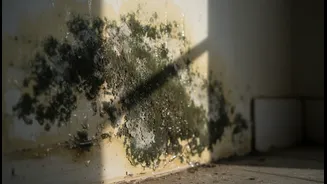
and fabrics. This creates a perfect breeding ground for mould and mildew, which are the primary culprits behind that persistent musty smell. Furthermore, when windows and doors are kept shut to keep the rain out, stale air gets trapped, making rooms feel even more stuffy and allowing odours to linger.
Declutter to Let Your Home Breathe
One of the most effective strategies to combat humidity is surprisingly simple: decluttering. Piles of clothes, stacks of magazines, and crowded surfaces don't just look messy; they actively restrict airflow and trap moisture. This creates pockets of stagnant air where dampness can thrive. By clearing out unnecessary items, you give air the freedom to circulate, which is crucial for keeping your home dry and fresh. Start small by tackling one area at a time, like a storeroom or wardrobe. Focus on creating open surfaces and organised spaces to prevent moisture from getting trapped.
Strategic Furniture Placement for Airflow
The way your furniture is arranged can significantly impact air circulation. Large pieces like sofas and cabinets placed flat against walls can create 'dead zones' where air doesn't move. These stagnant spots become prime locations for humidity to concentrate and mould to grow. A simple but powerful adjustment is to pull your furniture a few inches away from the walls. This small gap creates a channel for air to move freely, preventing moisture build-up behind and underneath large items. Also, take care not to block any air vents with furniture, as this can disrupt your home's entire ventilation system.
Maximise Natural Ventilation
Ventilation is your best friend during humid weather. Whenever the rain lets up, open windows and doors on opposite sides of your home to create a cross-breeze. This pushes the damp, stale air out and pulls fresh, drier air in. Even just a few minutes of good ventilation each day can make a significant difference. If opening windows isn't an option, keep interior doors open to allow air to move more freely between rooms and prevent humidity from getting trapped in one area.
Harness the Power of Fans
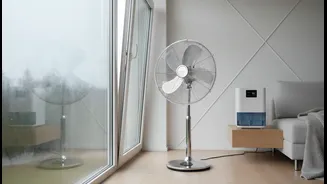
Fans are an indispensable tool for improving air circulation. Ceiling fans, when set to rotate counterclockwise in warmer months, create a cooling downdraft that helps you feel more comfortable. You can also strategically place standing fans to enhance a cross-breeze from open windows or simply keep the air moving in a stuffy room. Using exhaust fans in the kitchen and bathroom is also crucial, as these areas generate a lot of moisture. Running the exhaust for at least 20 minutes after cooking or showering helps vent that humid air directly outside.
Natural Ways to Absorb Excess Moisture
Beyond ventilation, you can use several natural, low-cost methods to dehumidify your home. Placing bowls of baking soda, rock salt, or activated charcoal in damp-prone corners, cupboards, and wardrobes can help absorb excess moisture and neutralise odours. For centuries, Indian households have also used camphor for its anti-fungal properties and fresh scent to combat monsoon mustiness. Additionally, consider swapping heavy drapes and upholstery for lighter, breathable fabrics like cotton and linen, which are less likely to trap moisture.