

The Reality of the November Chill
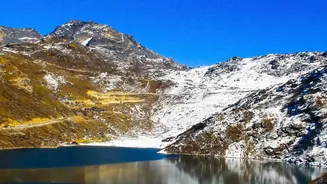
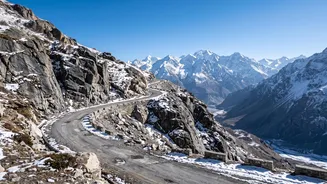
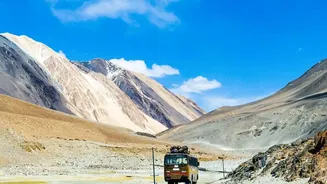
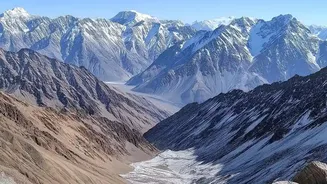
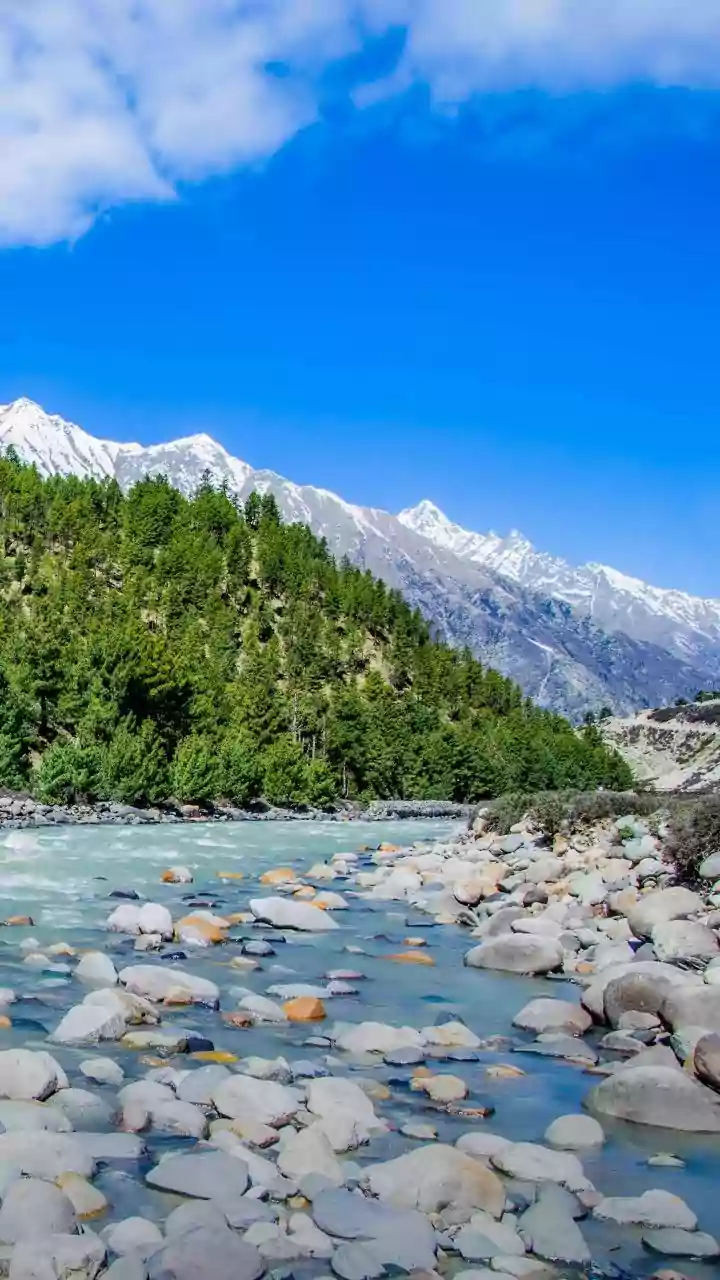
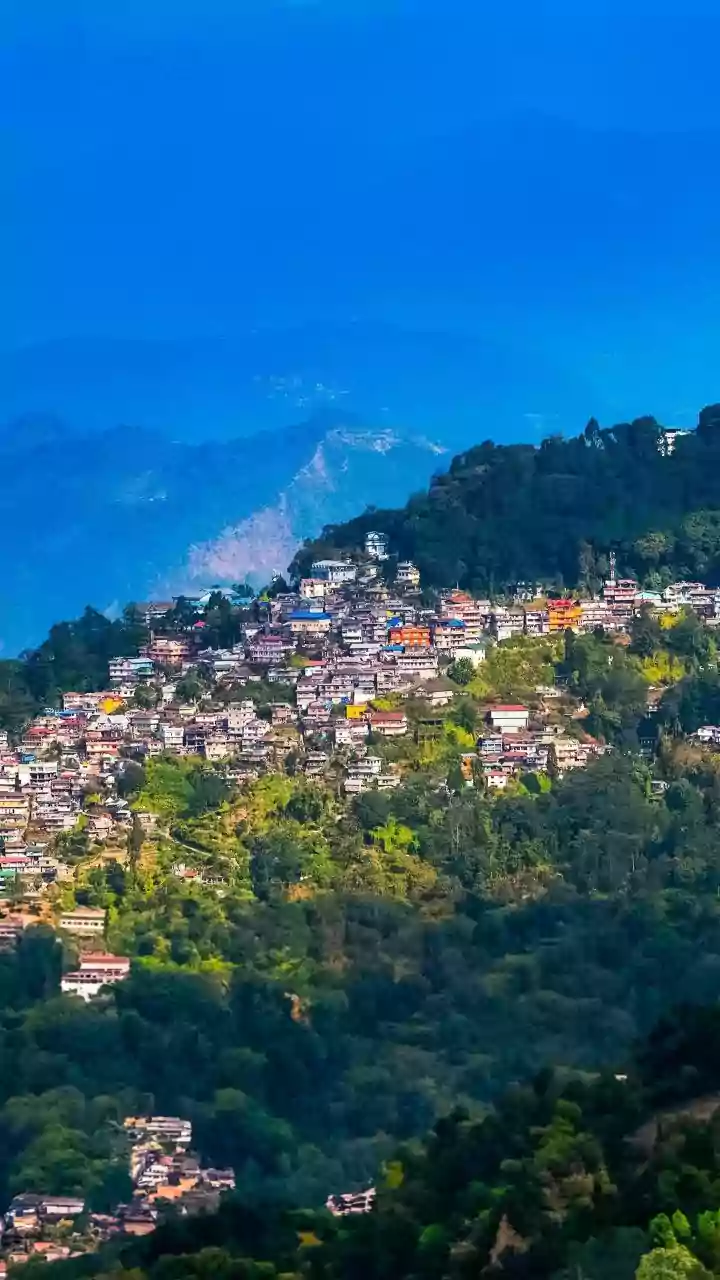
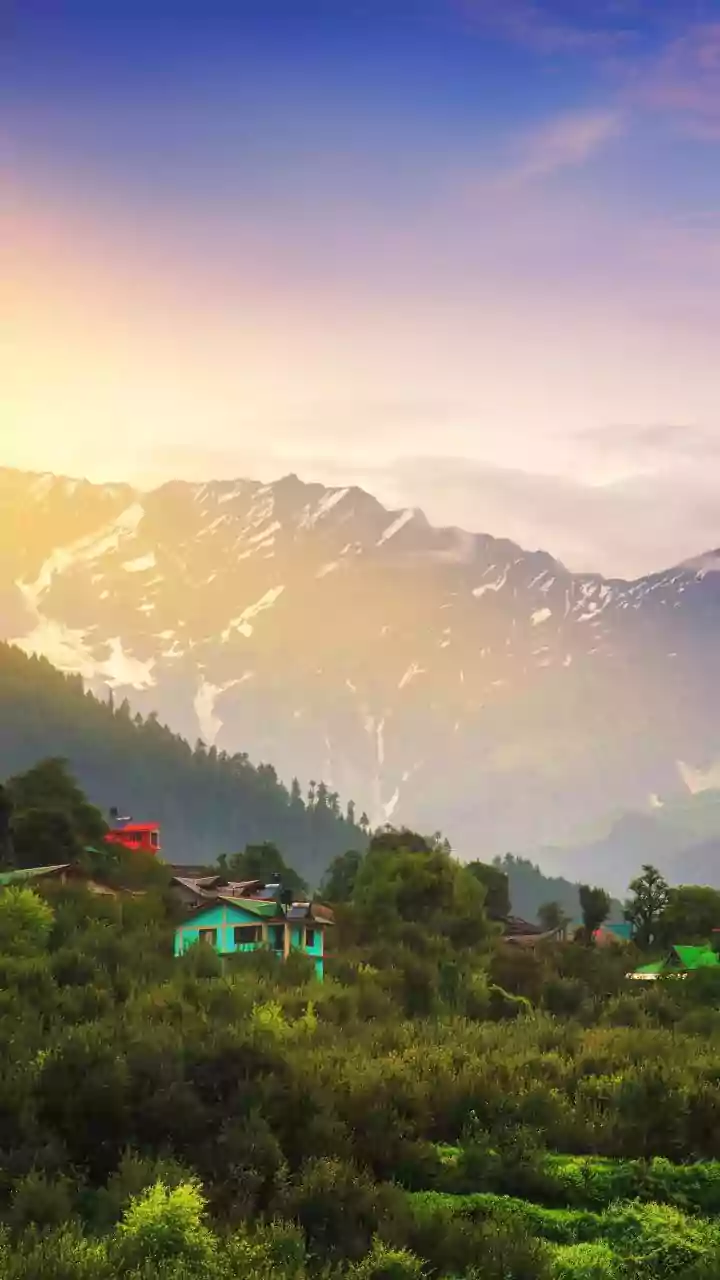
November in the Himalayas is a transitional month, sitting between the pleasantness of autumn and the harshness of winter. While daytime temperatures in many popular destinations like Shimla, Manali, and parts of Uttarakhand can be comfortable, often
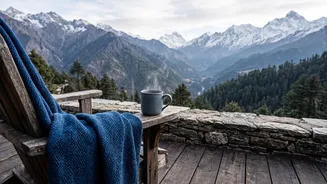
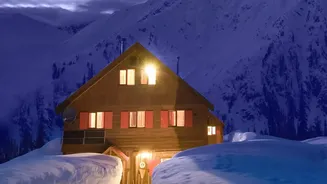
ranging from 12°C to 20°C, the nights are a different story. Once the sun disappears behind the peaks, temperatures can drop dramatically, frequently falling to between -2°C and 8°C. In higher altitude areas like Leh, night-time temperatures can dip even lower. This significant temperature swing can catch many travellers off guard, turning picturesque evenings into uncomfortably cold nights if you're not adequately prepared indoors.
Not All Heating Is Created Equal
When browsing hotels, you might see 'heating available', but this can mean very different things. The most reliable and comfortable option is central heating, which provides consistent warmth throughout the room. However, this is typically found only in more upscale or luxury resorts. More common are portable electric heaters, which include fan heaters that blow hot air or radiant heaters that use glowing elements. While effective for small spaces, their performance depends entirely on a stable power supply. Another option in more traditional or remote lodges is the 'bukhari', a wood or coal-burning stove. While it provides excellent heat, it requires manual operation and proper ventilation to be used safely.
The Unpredictability of Power Supply
One of the most critical factors to consider is the reliability of electricity in mountainous regions. Power outages are not uncommon in Himalayan towns, especially as weather conditions change. Heavy snowfall can disrupt power lines for extended periods. This makes relying solely on an electric room heater a risky proposition. Imagine returning from a long day of sightseeing to a freezing room with no way to warm it. Hotels with generator backups offer a solution, but it's essential to confirm if their backup power can support high-wattage appliances like heaters. A room with a non-electric heating option, like a bukhari, or a hotel with guaranteed power backup for its central heating can be a trip-saver.
The Law of Supply and Demand
As November is a popular month for tourists seeking clear post-monsoon views, the demand for good accommodation is high. Savvy travellers, especially those who have experienced a Himalayan winter before, prioritise and pre-book rooms with reliable heating. This means that by the time you consider a last-minute booking, the most comfortable and well-heated rooms are often already taken. Waiting until you arrive to secure a heated room is a gamble, as you may be left with basic, unheated options that significantly detract from your holiday experience. Securing your booking weeks or even months in advance is the best strategy.
More Than Comfort, It's About Health
Spending your nights in a frigid room does more than just make you uncomfortable; it can impact your health and overall enjoyment of the trip. A properly heated room ensures you get a good night's sleep, which is vital for staying energised for daytime activities like trekking and exploring. Constant exposure to cold, especially during sleep, can weaken your immune system and make you more susceptible to colds and other respiratory issues. A warm, comfortable base to return to each evening is a cornerstone of a successful and healthy mountain vacation, allowing your body to rest and recover properly.