





A Legacy of Opulence
The Chettinad region, comprising about 75 villages, is the homeland of the Nattukottai Chettiars, a community of prosperous merchants and financiers. From the 19th to the early 20th century, their influence stretched across Southeast Asia. The wealth
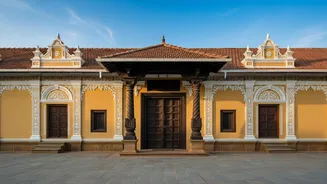
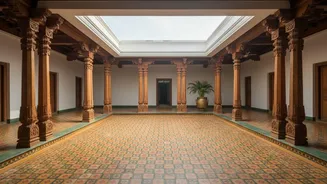
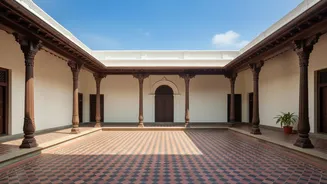
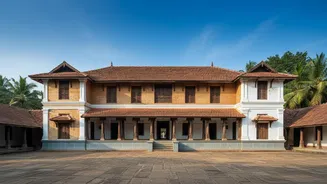
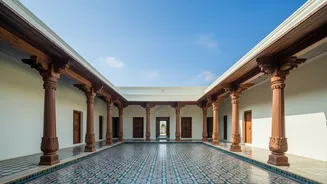
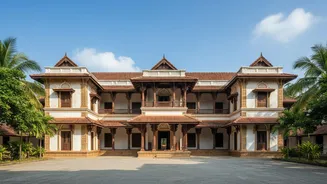
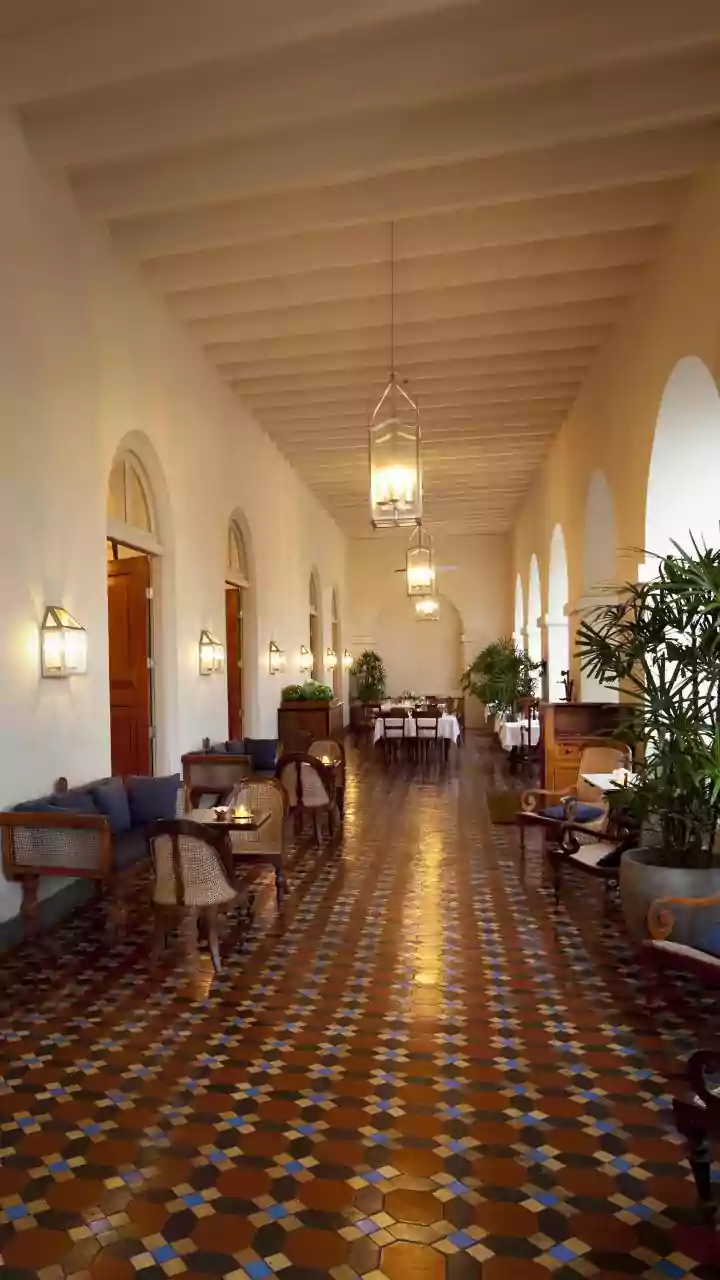
they accumulated was poured into constructing thousands of breathtaking mansions, some sprawling over 40,000 square feet. These weren't just homes; they were statements. Built to house large joint families, their architecture was a unique fusion of traditional Tamil designs and global influences, featuring materials sourced from across the world: Burmese teak pillars, Italian marble, English steel, and intricate Belgian glass. Each mansion, with its grand courtyards and ornately carved doorways, told a story of global trade and local pride.
The Slow Creep of Decay
The fortunes of the Chettiars shifted dramatically after World War II. Economic changes and the decline of their overseas businesses led to a mass exodus from their ancestral villages as families sought opportunities elsewhere. The very scale that made the mansions magnificent also made them impossibly expensive to maintain. Left behind, many of these architectural marvels fell into disrepair, succumbing to water leakage, termites, and the relentless growth of nature. Complex ownership, often split among dozens of descendants, further complicated any efforts at preservation. As a result, a significant portion of this built heritage was lost—some mansions were abandoned and simply collapsed, while others were dismantled and sold for their valuable parts to a thriving antiques market.
A New Model: Adaptive Reuse
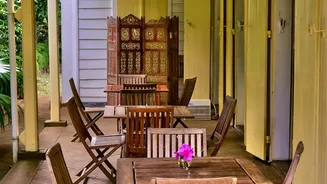
Just as the situation seemed dire, a new idea took root: what if the key to saving these mansions was to give them a new purpose? This concept, known as adaptive reuse, has become the cornerstone of Chettinad's revival. Pioneering hoteliers and conservationists, many from the Chettiar community itself, began the painstaking process of converting derelict properties into boutique heritage hotels. Properties like The Bangala, opened in 1999, are credited with putting Chettinad on the global tourist map. By retrofitting these vast homes into hotels, they create a viable economic model where the income generated from guests directly funds the continuous, costly upkeep required for preservation.
More Than Just Restoring Walls
The tourism driving Chettinad's restoration is consciously sustainable. It’s not just about propping up old buildings; it's about reviving an entire ecosystem. Restoration projects focus on using original materials and local labour, which helps preserve traditional construction techniques. This, in turn, has revitalised local craft industries, such as the makers of the iconic, hand-pressed Athangudi tiles. The new heritage hotels prioritise hiring staff from the surrounding villages, creating much-needed employment. They offer guests authentic cultural experiences—from the world-renowned Chettinad cuisine to guided architectural walks—fostering a deeper appreciation for the region's unique identity. This creates a virtuous cycle where tourism supports the community, and the community provides an authentic experience that attracts more discerning tourists.
The Road Ahead
The path to preservation is not without its challenges. Only about 10% of the remaining mansions have been given this new lease on life, while many others remain at risk. The cost of authentic restoration is prohibitive, often taking years of meticulous work. There is also the constant danger of over-commercialisation, which could dilute the very authenticity that makes Chettinad so special. Yet, the success of the existing heritage hotels provides a powerful blueprint. By transforming these homes into cultural hubs, museums, and boutique stays, sustainable tourism is demonstrating that heritage can be an economic asset, not a liability. It’s a delicate balance, but one that holds the promise of securing this incredible legacy for generations to come.