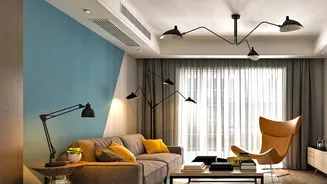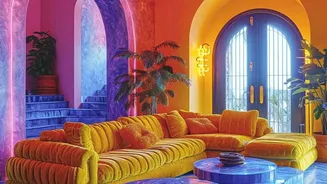

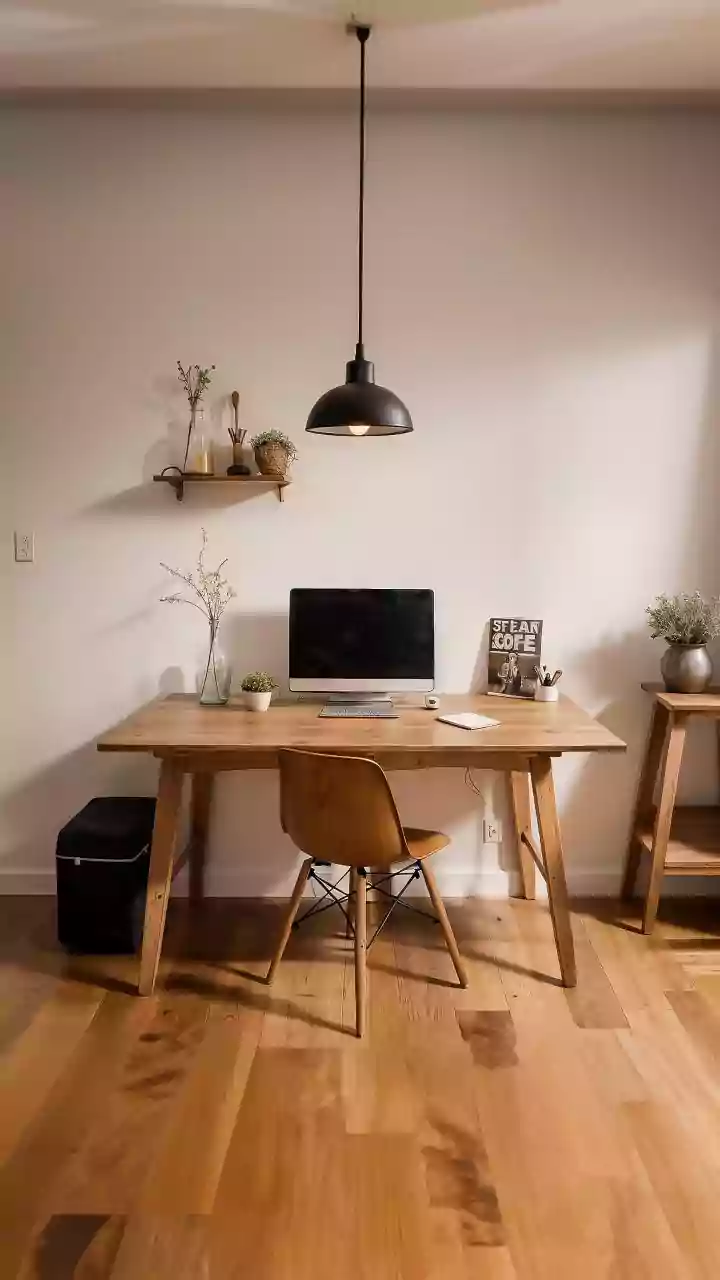
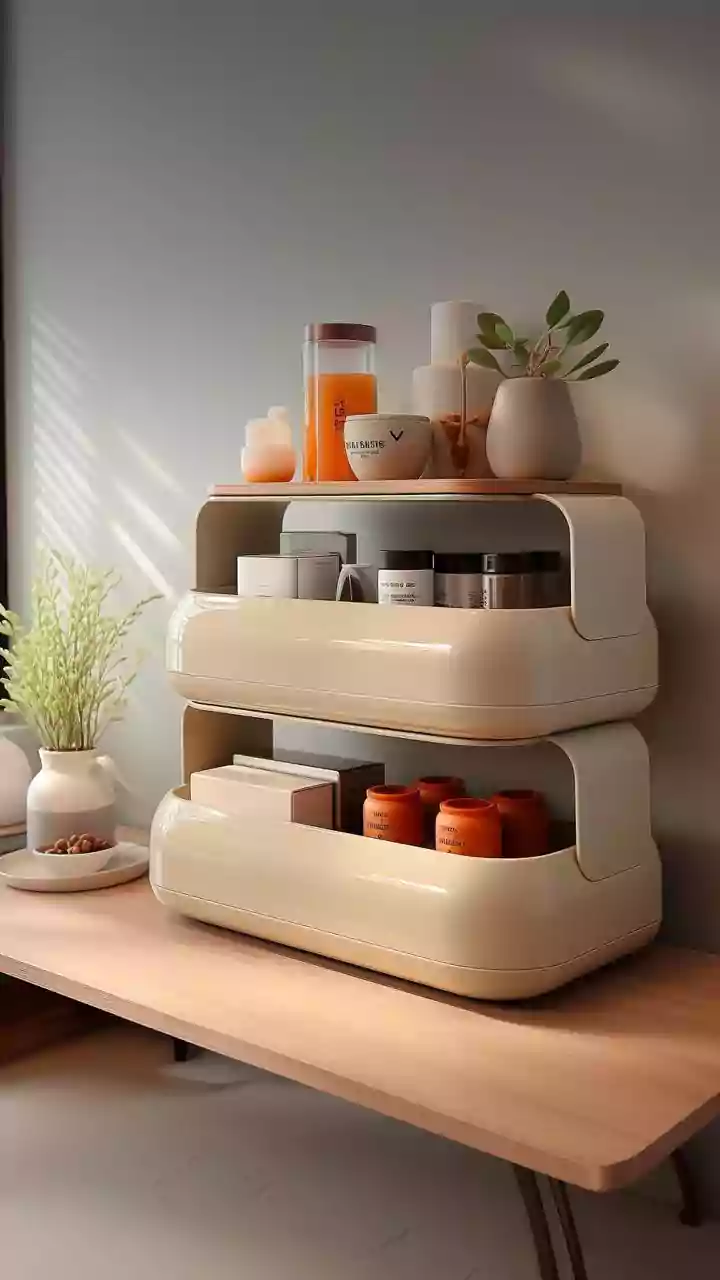
The Great Urban Shift
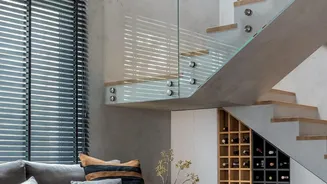
The dream of a sprawling bungalow is giving way to the reality of a compact urban apartment. In bustling metros like Mumbai, Delhi, and Bengaluru, high property prices and the desire for central locations mean smaller living spaces are the new norm. This
isn't a compromise; it's the new design laboratory for urban India. A generation of young professionals and first-time homeowners is driving this change. They are more interested in how a home feels and functions than how large it is. This cultural shift is profound; homeowners are now spending 10-20% of a property's value on interiors alone, seeing it as an investment in their quality of life. The focus has moved from impressing guests to creating a space that supports well-being, productivity, and personal identity.
Quiet Luxury: Quality Over Quantity
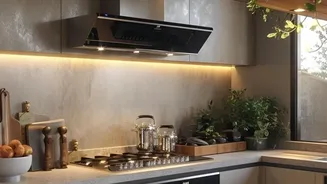
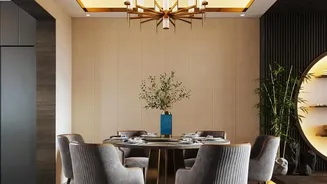
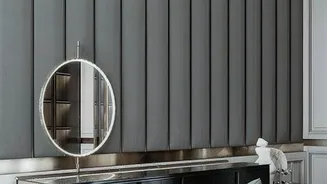
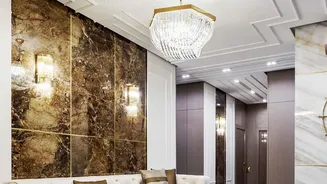
The new definition of luxury is whispered, not shouted. It's moving away from loud, high-gloss finishes and toward a more restrained elegance. This “quiet luxury” is about the inherent quality of materials and craftsmanship. Think of fewer, better things: a single, beautiful stone surface instead of multiple competing finishes, or the tactile warmth of raw linen and matte-finished wood. Designers note that clients are now asking for spaces that feel expensive without announcing it. This approach values authenticity and longevity over fleeting trends. The focus is on materials that age gracefully and details that reveal themselves over time, creating a sense of calm and enduring quality.
The Genius of Multifunctional Design
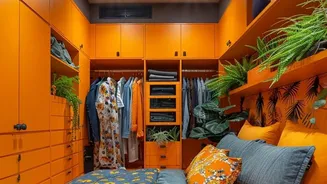
When floor space is a premium, every piece of furniture must earn its place. Multifunctional furniture has become the survival kit for modern Indian living, moving from a niche solution to a mainstream necessity. In a compact home, a sofa is no longer just a sofa; it's also a guest bed. A dining table folds away when not in use, and an ottoman bench provides both seating and hidden storage. Beds with built-in hydraulic storage can replace the need for an extra cupboard, freeing up precious floor space. This isn't about compromise; modern designs ensure that these hardworking pieces are just as elegant and well-made as their single-purpose counterparts. The goal is to maximize utility without sacrificing style, allowing small homes to feel spacious and uncluttered.
Personalisation and Smart Technology
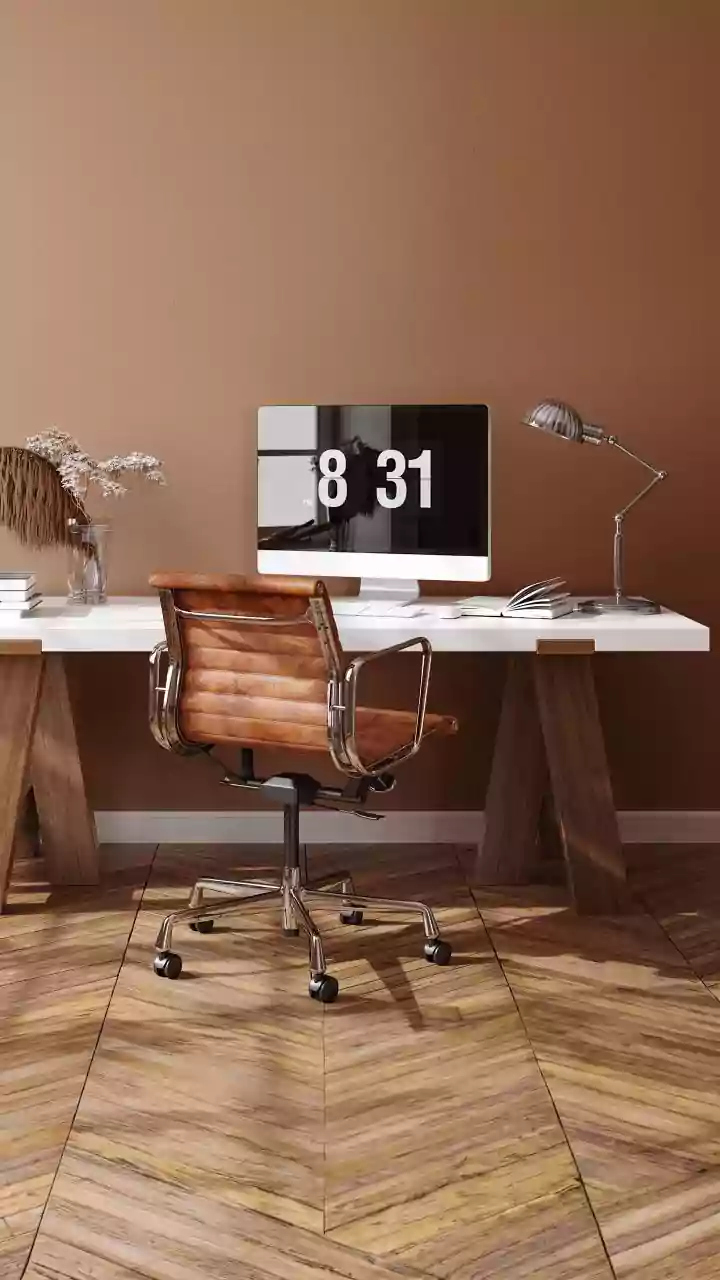
Luxury is now deeply personal. Homeowners want spaces that are an extension of their identity, not a generic template. This translates into a demand for custom-built solutions that fit a space perfectly, whether it's a bookshelf for a specific nook or a workstation integrated into a living area. Technology is also playing a key role. Smart home systems that control lighting, temperature, and security with a tap are no longer futuristic marvels but expected features that add a layer of seamless comfort. These elements combine to create a home that is not just aesthetically pleasing but also intuitively responsive to the needs of its inhabitants, making daily life more convenient and enjoyable.
Modern Roots: A New Take on Tradition
This modern movement doesn't erase India's rich design heritage; it reinterprets it. Instead of heavy, ornate furniture, designers are incorporating traditional crafts and motifs in subtle, contemporary ways. A sliding door might feature a modern take on a traditional jaali pattern, adding privacy without blocking light. Handcrafted textiles, local woods, and artisanal decor are being blended with minimalist aesthetics to create spaces that feel both globally current and authentically Indian. This approach celebrates regional craftsmanship and materials, adding a layer of soul and story to a home. It’s a way of feeling rooted without being weighed down by the past, creating interiors that are both elegant and meaningful.