


The Gut Health Renaissance
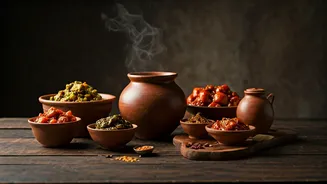
For generations, Indian households have unknowingly been masters of gut-friendly cuisine. The bubbling dosa batter, the pot of dahi setting on the counter, the tangy pickles served with every meal—these weren't just about flavour; they were about fostering
a healthy internal ecosystem. Today, as global wellness trends focus on the 'microbiome'—the universe of tiny organisms living in our digestive tract—India is rediscovering the scientific genius of its own culinary heritage. This isn't about adopting a foreign trend; it's about looking at our own plates with new appreciation. A healthy gut is linked to better immunity, improved mood, and efficient digestion. The secret lies in probiotics (live beneficial bacteria) and prebiotics (the fibre that feeds them), both of which are abundant in traditional Indian diets.
Dahi: The Probiotic Powerhouse
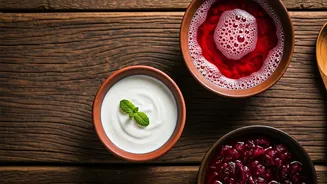
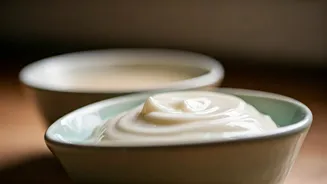
Long before probiotic capsules became a wellness staple, there was dahi (curd or yogurt). This simple, creamy food is the cornerstone of gut health in India. Made by fermenting milk with a live bacterial culture, every spoonful of homemade dahi is teeming with beneficial probiotics, primarily Lactobacillus species. These good bacteria help maintain a healthy balance in your gut, aiding digestion and preventing the overgrowth of harmful microbes. Whether enjoyed plain, blended into a refreshing lassi or chaas (buttermilk), or used as a base for raita, dahi is the easiest and most versatile way to boost your daily probiotic intake. Its cooling properties also make it a perfect antidote to India's spicy cuisine and hot climate.
Idli & Dosa: Fermented Breakfast Champions
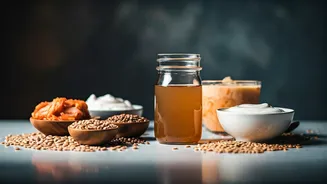
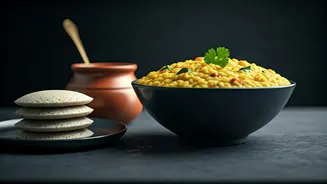
The magic of a fluffy idli or a crisp dosa lies in fermentation. The batter, a simple mix of rice and lentils, is left to sit for several hours. During this time, wild yeasts and bacteria break down the starches and proteins, making the nutrients more bioavailable and easier to digest. This fermentation process not only creates the signature sour tang and light texture but also enriches the batter with probiotics. Furthermore, the breakdown of anti-nutrients like phytic acid means your body can absorb more minerals like iron, zinc, and calcium from the grains. It’s a perfect example of how a traditional process transforms simple ingredients into a superfood.
Dhokla: The Spongy, Gut-Happy Snack
Hailing from Gujarat, this savoury steamed cake is another testament to the power of fermentation. The batter, typically made from gram flour (besan), is fermented, which gives dhokla its characteristic spongy texture and enhances its nutritional profile. The fermentation process increases B-vitamin levels and, like idli batter, introduces beneficial bacteria. Because it's steamed and not fried, dhokla is a light, low-calorie snack that's gentle on the stomach. It's a delicious way to feed your gut microbes without feeling heavy or bloated.
Kanji: The Fermented Winter Drink
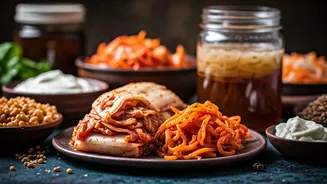
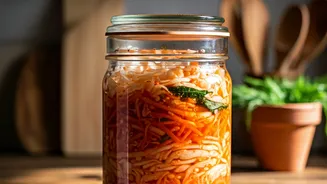
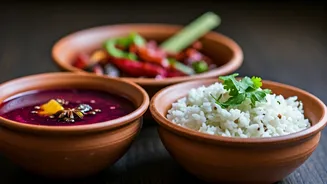
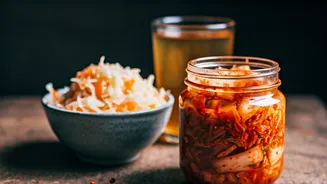
Gajar ki kanji is a traditional North Indian fermented drink, especially popular during winter. Made by fermenting black carrots (or sometimes beetroots) in water with mustard seeds and spices, this tangy, purplish beverage is a powerhouse of probiotics. The fermentation is driven by lactobacilli, similar to sauerkraut or kimchi. It's a natural digestive aid that's traditionally consumed to prepare the gut for the richer foods of the festive season. Its sharp, spicy, and sour taste is an acquired one for some, but its benefits for gut health are undeniable. Think of it as India’s very own kombucha.
Achar: The Misunderstood Condiment
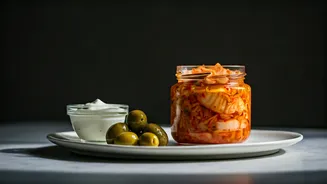
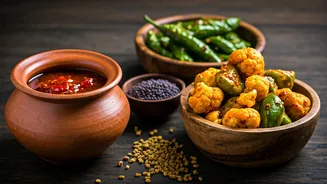
Often dismissed as being too oily or salty, traditional, naturally fermented pickles (achar) are incredibly rich in probiotics. When vegetables like mangoes, lemons, or chillies are preserved in salt and left to ferment without vinegar, the salt encourages the growth of beneficial lactic acid bacteria while killing off harmful ones. This process, known as lacto-fermentation, creates a complexly flavoured condiment that also supports digestive health. The key is to choose homemade or traditionally made pickles over mass-produced, vinegar-based versions, and to consume them in moderation as a flavourful accent to your meals.