


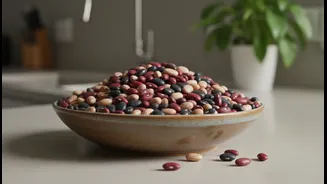


The Power of Pulses
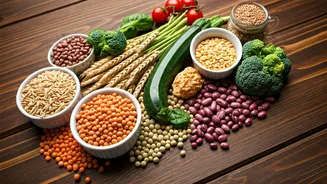
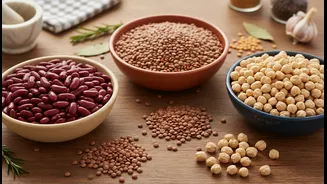
Pulses, which include lentils, chickpeas, and dried beans, are nutritional powerhouses. They are celebrated for being rich in protein, packed with fibre, and low in fat. Research has consistently shown that regular consumption of pulses can lower blood
cholesterol, reduce blood pressure, and help manage body weight—all significant risk factors for heart disease. Their high fibre content, particularly soluble fibre, plays a crucial role. It works by binding to cholesterol in the digestive system, preventing its absorption and helping to lower 'bad' LDL cholesterol levels. Furthermore, pulses are excellent sources of minerals like potassium and magnesium, which help regulate blood pressure.
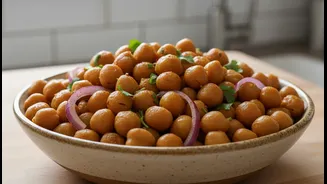
Chickpeas (Chana)
A staple in Indian cuisine, chickpeas (or chana) are fantastic for heart health. They are not only a great source of plant-based protein but also rich in soluble fibre, which is key to reducing LDL cholesterol. Chickpeas are also packed with potassium and magnesium, minerals known to help manage and lower blood pressure. Their low glycemic index helps in steadying blood sugar levels, which is another important factor for cardiovascular wellness. Whether used in a classic chana masala, blended into hummus, or roasted for a crunchy snack, chickpeas are an easy and delicious way to boost your heart health.
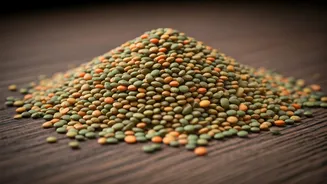
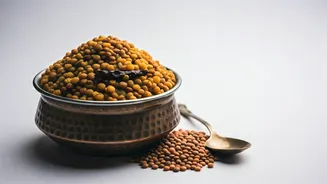
Lentils (Dal)
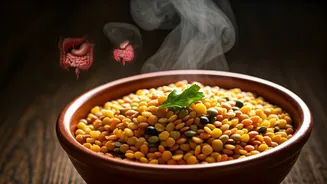
Lentils, the foundation of countless dal dishes across India, are a cornerstone of a heart-healthy diet. They are exceptionally rich in fibre, which aids in lowering cholesterol and maintaining stable blood sugar. A recent clinical trial highlighted that daily lentil consumption can significantly lower both total and LDL cholesterol. Lentils are also an excellent source of folate, a B-vitamin that helps prevent the accumulation of homocysteine, an amino acid linked to an increased risk of heart disease when levels are high. With varieties like masoor, toor, and moong, lentils can be prepared as simple soups, hearty stews, or added to salads.
Kidney Beans (Rajma)
Dark-coloured beans like kidney beans (rajma) are particularly potent when it comes to cardiovascular protection. They are loaded with potassium, a mineral that helps counteract the blood pressure-raising effects of sodium. A single cup of cooked kidney beans provides a substantial amount of your daily potassium needs. They are also rich in magnesium, which helps relax blood vessels, and soluble fibre, which contributes to lower cholesterol. Studies have shown that consuming darker-coloured beans can have a positive effect on the flexibility of blood vessels. A comforting bowl of rajma chawal is more than just a meal; it's a step towards a healthier heart.
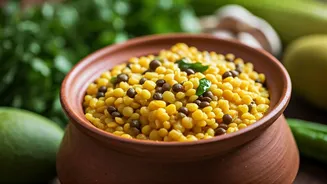
Mung Beans (Moong Dal)
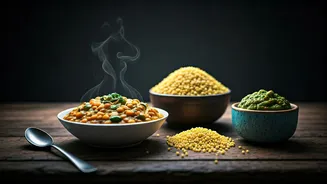
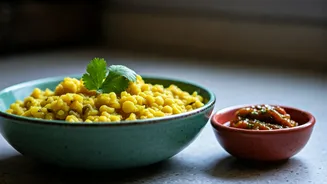
Mung beans, often enjoyed as whole beans or as the familiar yellow moong dal, are highly digestible and packed with nutrients. They are rich in antioxidants like flavonoids, which help reduce inflammation and protect blood vessels from damage by free radicals. Research suggests that mung beans can help lower LDL cholesterol, reduce blood pressure, and improve overall heart function. Their high content of potassium and magnesium further supports cardiovascular health. From a light moong dal tadka to sprouted mung bean salads, this versatile pulse is both gentle on the stomach and beneficial for the heart.