






What Exactly Is Geoengineering?
Geoengineering refers to the deliberate, large-scale intervention in the Earth's natural systems to counteract climate change. It's an umbrella term for a host of technologies, most of which fall into two major categories. The first is Carbon Dioxide
Removal (CDR), which involves pulling existing carbon from the atmosphere. Think of it like a giant vacuum for CO2, using methods like massive 'direct air capture' facilities or enhancing natural processes in oceans and soils. The second, and far more controversial category, is Solar Radiation Management (SRM). This doesn't remove greenhouse gases but aims to cool the planet by reflecting a small fraction of sunlight back into space, essentially creating a planetary sunshade.
The El Niño Connection
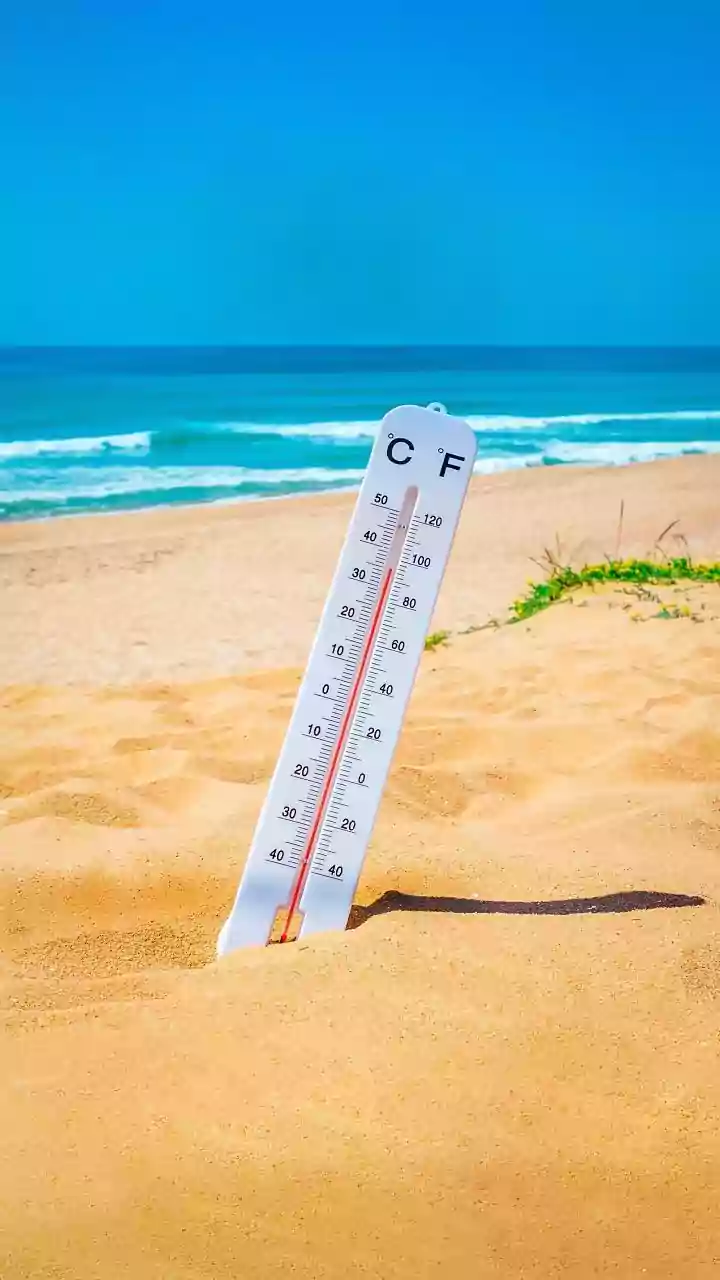
So, why is this topic surfacing now? A major driver is the current strong El Niño. This natural climate pattern, characterized by warmer-than-average sea surface temperatures in the equatorial Pacific, drastically disrupts global weather. For India, El Niño is often associated with weaker monsoon rainfall, which is critical for agriculture, though it can paradoxically also increase extreme rainfall events. The World Meteorological Organization has warned that the 2026 El Niño is forecast to intensify, increasing the likelihood of extreme weather worldwide. As people experience more intense heatwaves, droughts, and unpredictable storms, the perceived urgency to find a quick fix for climate change grows, pushing the theoretical and high-risk solutions of geoengineering into mainstream discussion.
The 'Dimming the Sun' Dilemma
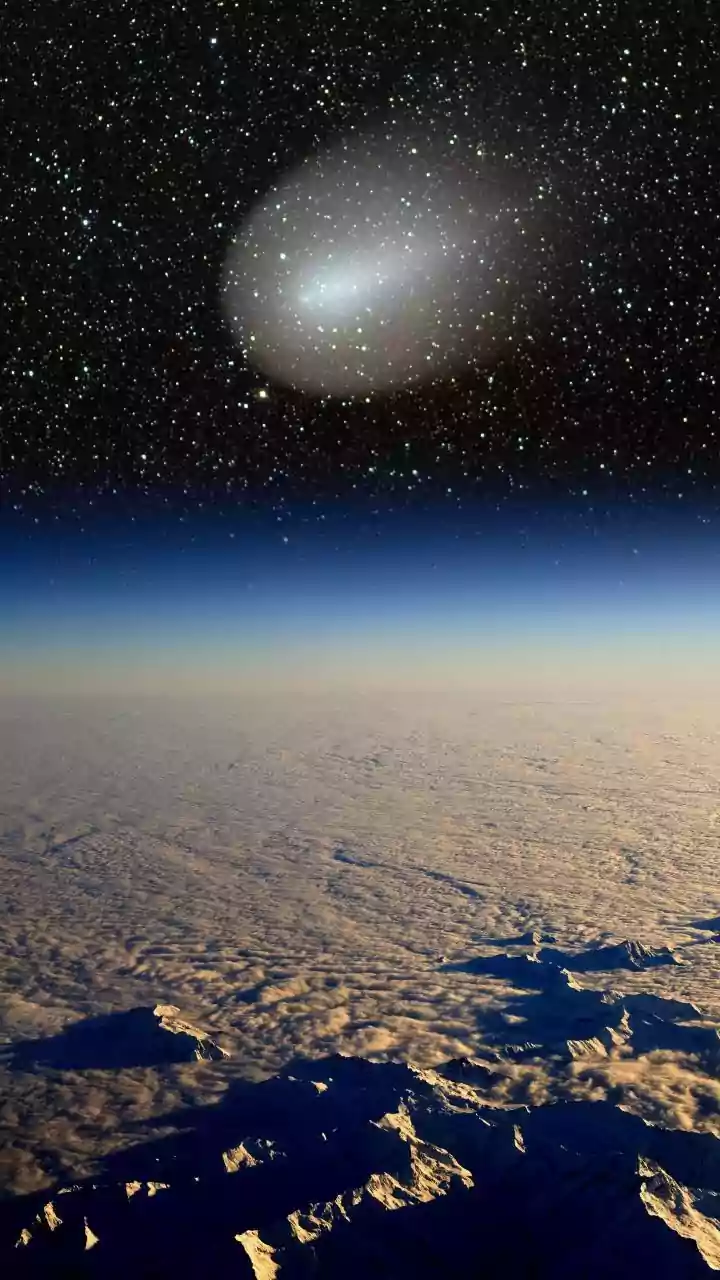
The most debated form of geoengineering is an SRM technique called stratospheric aerosol injection (SAI). The idea is to mimic a large volcanic eruption, like that of Mount Pinatubo in 1991, which cooled the planet for a time by spewing sulfate particles into the stratosphere. Proponents argue that releasing a fine mist of reflective particles using high-altitude aircraft could rapidly lower global temperatures, potentially 'shaving the peak' off the most extreme warming scenarios and buying time for emissions reductions to take effect. It is seen by some as a potential emergency brake if climate tipping points are crossed. The technology is, in theory, relatively fast-acting and inexpensive compared to a full global energy transition.
A Cure Worse Than The Disease?
Critics, however, warn that SRM could be a planetary-scale gamble with catastrophic risks. It does nothing to address the root cause of climate change: greenhouse gas emissions. Ocean acidification, for instance, would continue unabated. The potential side effects are terrifying and unpredictable. Scientists warn it could drastically alter global weather patterns, potentially disrupting the Asian and African summer monsoons that billions rely on for food. There's also the risk of 'termination shock'; if a deployed system were ever stopped abruptly, the world could face rapid, devastating warming. Beyond the physical risks, there are immense geopolitical challenges. Who controls the thermostat? What happens if one country's actions cause drought in another? These concerns have led hundreds of scientists and multiple governments to call for a non-use agreement, arguing it is an ungovernable technology.
Is There A Safer Path?
The other side of the geoengineering coin, Carbon Dioxide Removal (CDR), is generally seen as less risky. Technologies like Direct Air Capture (DAC) and Bioenergy with Carbon Capture and Storage (BECCS) aim to permanently remove CO2 from the atmosphere and store it underground. Unlike SRM, CDR addresses the source of the problem by reducing the concentration of greenhouse gases. Several companies and pilot projects are already working on these technologies. The major hurdles for CDR are cost and scale. Current methods are extremely expensive, and removing a meaningful amount of carbon would require a massive global buildout of new infrastructure. While safer, it is a much slower and more deliberate process than the quick-fix promise of SRM.