



A New Chapter for Leh
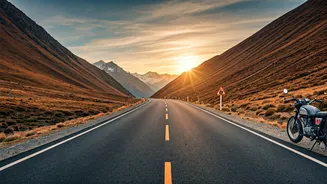
For years, Leh was synonymous with two things: serene monasteries and epic motorcycle journeys to Khardung La. It was a rite of passage, a challenge to be conquered. But a shift is underway. The new generation of travellers, organised into digital-native
adventure clubs and armed with a thirst for unique experiences, is looking beyond the well-trodden path. They are rediscovering Ladakh not just for its rugged terrain, but for its hidden, fragile beauty. The focus has moved from conquering the landscape to connecting with it, and at the heart of this new romance are the region's unique floral trails.
The Myth and Magic of Rhododendrons
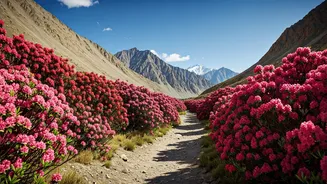
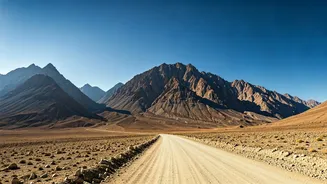
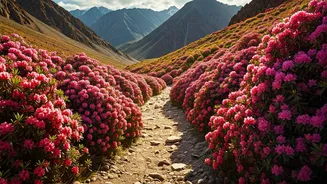
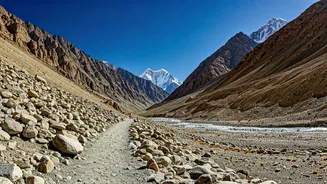
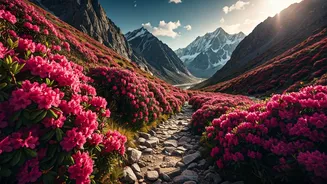
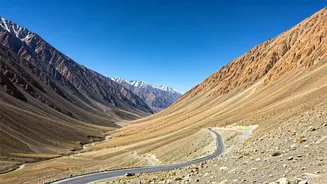
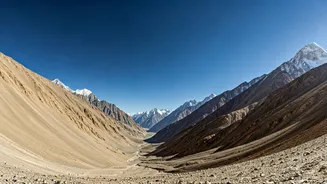
When you hear 'rhododendron trail', your mind might conjure images of the towering, blood-red forests of Sikkim or Uttarakhand. But the buzz around Leh’s rhododendrons points to a different, arguably more special, phenomenon. Ladakh, a high-altitude cold desert, is home to its own hardy species, primarily *Rhododendron anthopogon*. Unlike their tree-like cousins elsewhere, these are low-lying, aromatic shrubs that burst into clusters of delicate pink and white flowers from May to July. Seeing these resilient blooms carpeting the stark, grey-brown mountainsides against a backdrop of azure skies is a breathtaking spectacle. It’s not the scale of a forest, but the sheer contrast and tenacity of life that makes it so coveted. This is the treasure that modern adventurers are seeking: a subtle, profound beauty that rewards the keen-eyed explorer.
The Power of the Pack
This trend isn't just about individual wanderlust; it's a community-driven movement. Adventure clubs and trekking groups, often born on Instagram and WhatsApp, are the engines powering this shift. They offer safety, logistics, and, most importantly, a shared experience. For many young urbanites, joining a group trek to see the rhododendrons bloom is more appealing than a solo trip. It's an opportunity to find a tribe of like-minded people who value a challenging hike over a lazy holiday. Social media feeds are filled not just with selfies at popular passes, but with detailed photo logs of rare flora, group shots on unnamed peaks, and stories of camaraderie forged at high altitudes. These clubs have effectively created and marketed a new kind of aspirational journey.
More Than Just a Pretty Flower
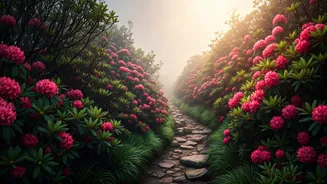
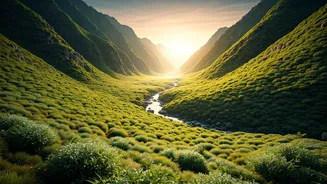
The trek to find these blooms is an experience in itself. Trails like the one leading to the Stok Kangri base camp or in parts of the Markha Valley often wind through areas where these shrubs grow. The journey requires a good level of fitness, proper acclimatisation, and a respect for the fragile mountain ecosystem. Trekkers are rewarded not just with the sight of rhododendrons, but also with sprawling meadows, encounters with marmots and blue sheep, and the deafening silence of the Himalayas. The aromatic scent of the *anthopogon* leaves, which are locally used as incense (known as 'Taggspa'), adds another sensory layer to the experience. It's a holistic adventure that engages all the senses, making the destination a memorable part of a much larger journey.
A Sign of Conscious Travel
Ultimately, the rising popularity of Leh's rhododendron trails is a powerful symbol of a larger shift in travel consciousness. This is not about ticking off a landmark for a quick photo. It's about seeking out ephemeral, natural events and understanding the ecology behind them. It represents a move towards slower, more immersive, and sustainable travel. This new generation of adventurers seems to understand that the greatest luxury is not comfort, but access to untouched nature. They are willing to put in the effort—to hike, to acclimatise, to brave the cold—for a moment of authentic connection with the wild. This desire for meaningful experiences, rather than just destinations, is reshaping the future of adventure travel in India.