




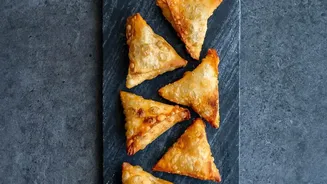

A Healthier Take on a Beloved Snack
Pakoras, also known as bhajis, are a quintessential Indian fritter, traditionally submerged in hot oil to achieve their signature crunch. While delicious, this method means the snacks absorb a significant amount of fat. The air fryer offers a compelling
alternative by using rapid hot air circulation to cook food, mimicking the effect of deep-frying with minimal oil. This method drastically cuts down on oil usage—by as much as 80-90%—which directly translates to fewer calories and less fat per serving. For many, this means enjoying a plate of their favourite snack without the associated guilt, making it a regular treat rather than a rare indulgence. Beyond the health benefits, air frying also means a cleaner kitchen, with no oil splatters or lingering smells.
The Big Question: Can It Really Be Crispy?
The primary concern for any pakora lover is texture. Can an air-fried version truly compete with the deep-fried original? The honest answer is that while it's not identical, it gets remarkably close. Air-fried pakoras develop a satisfying crunch on the outside while remaining soft and flavourful on the inside. Some sources note that the crunch is about 80% that of a deep-fried one. The key to achieving that coveted crispiness lies in the preparation of the batter and the cooking technique. A common mistake is making the batter too thin or runny, which doesn't work well in an air fryer and can lead to soggy results. A thicker batter is essential for creating fritters that hold their shape and crisp up properly.
The Secret to a Perfect Air-Fried Pakora
Mastering the air-fried pakora is about a few simple but crucial adjustments. First, the batter must be thick enough to coat the vegetables without dripping. Many seasoned cooks recommend using less water than you would for deep-frying, instead relying on the moisture released from the vegetables (like onions) to help form the batter. The second game-changing tip is the addition of rice flour to the besan (gram flour). A common ratio is three parts besan to one part rice flour. Rice flour absorbs less moisture and creates a harder, more stable crunch, compensating for the lack of oil. Some recipes also suggest adding a tiny pinch of baking soda or baking powder to aerate the batter, making the final product lighter and crispier.
Simple Steps for Success
The process is straightforward. Start by preheating your air fryer, typically to around 180°C or 355°F. While it heats, prepare your thick batter with your chosen vegetables—thinly sliced onions and potatoes are classics. It helps to shape the pakoras into slightly flattened patties rather than round balls; this increases the surface area exposed to the hot air, promoting even cooking and maximum crispiness. Place the pakoras in a single layer in the air fryer basket, ensuring they are not overcrowded to allow air to circulate freely. A light spray of oil on the pakoras is recommended to enhance browning and crunch. Cook for approximately 12-15 minutes, flipping them halfway through. The exact timing can vary based on your air fryer model and the size of your pakoras.
Common Mistakes and How to Avoid Them
Even with a great appliance, a few pitfalls can trip you up. The most common error is overcrowding the basket, which steams the pakoras instead of frying them, resulting in a soggy texture. Always cook in batches if necessary. Another issue is the batter sticking to the basket. Using a perforated parchment paper liner can prevent this without blocking airflow. Don't be tempted to use a very wet batter, as it will spread and won't form proper fritters. If your batter is too runny, simply add a bit more besan to thicken it. Finally, ensure your temperature is right. A temperature that's too low might make the pakoras hard and dry instead of crispy.