



The Golden Rule: Keep It Dry
Moisture is the number one cause of tarnishing on artificial jewellery. The base metals, often brass or copper, react with water and humidity, causing oxidation that eventually dulls the finish. This means removing your pieces before showering, swimming,
exercising, or even washing dishes is non-negotiable. Even high humidity in the air, especially in bathrooms, can accelerate damage. A simple rule to live by is to make your jewellery the last thing you put on after getting ready and the first thing you take off when you get home.
Smart Storage Is Everything
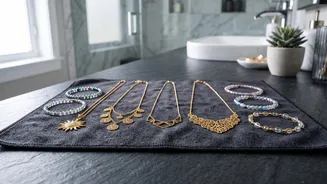
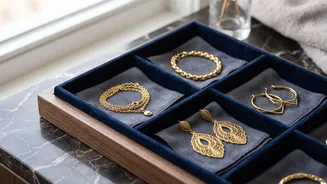
How you store your jewellery matters just as much as when you wear it. The goal is to minimize exposure to air and moisture. Storing each piece separately is crucial to prevent scratching and tangling, which can wear away the plating. Using individual soft pouches or small, airtight zip-lock bags is one of the most effective methods. Before sealing a bag, squeeze out as much air as possible. For an extra layer of protection, especially during humid seasons, place a silica gel packet inside your jewellery box or storage bag to absorb excess moisture. This is particularly important for oxidised silver pieces, which are intentionally darkened but can still be damaged by moisture.
Beware of Everyday Chemicals
Many products you use daily contain chemicals that can ruin the delicate finish of plated jewellery. Perfumes, lotions, sunscreens, hairsprays, and hand sanitizers can all react with the metal and cause it to lose its shine or discolour. Always apply these products first and let them fully dry before putting on your jewellery. Household cleaners containing bleach or chlorine are especially harsh and can cause irreversible damage, so it's best to remove all jewellery while cleaning.
Gentle Cleaning Techniques
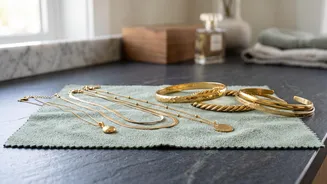
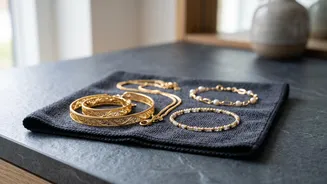
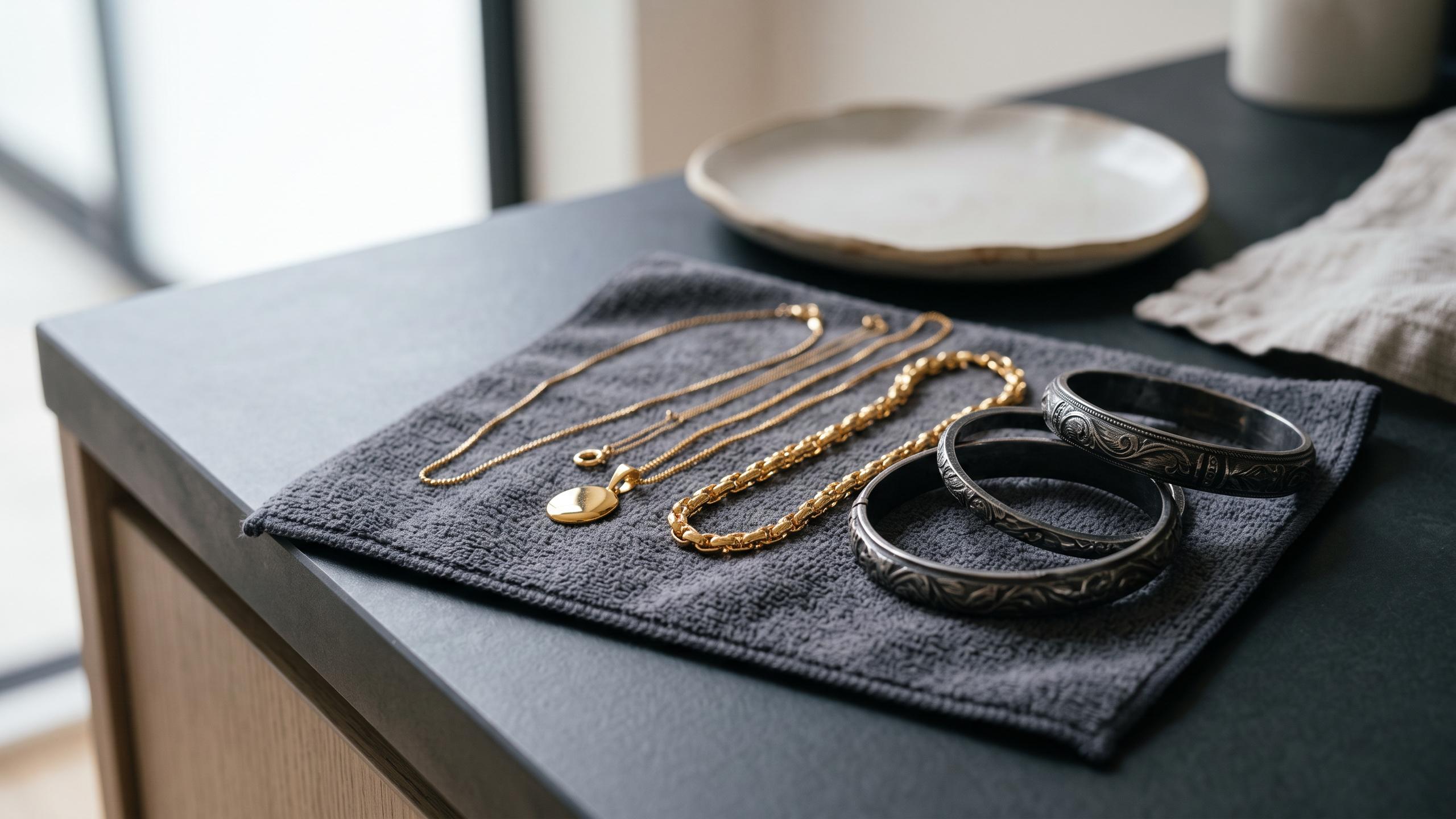
When your pieces need a refresh, gentleness is key. For most artificial and gold-plated items, a quick wipe-down with a soft, dry microfibre cloth after each wear is enough to remove skin oils and sweat. This simple ten-second habit can significantly prevent buildup. For a deeper clean, you can use a cloth slightly dampened with a mixture of lukewarm water and a few drops of mild, pH-neutral soap. Wipe the piece gently, then use another clean, damp cloth to remove any soap residue before patting it completely dry. Never soak plated jewellery, as this can weaken adhesives and damage the finish. For oxidised pieces, you should avoid polishes entirely, as they will strip the dark finish; a gentle wash with mild soap and water is sufficient only when necessary.
Special Care for Different Pieces
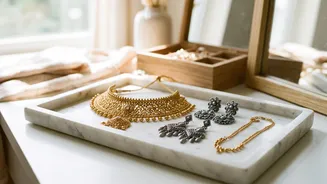
Different types of artificial jewellery may require slightly different approaches. For instance, Kundan or Polki sets with intricate stonework should be stored flat to prevent the settings from becoming loose. Pieces with glued-in stones or pearls should be kept away from water, as moisture can dissolve the adhesive. Rings and bracelets are often the first to show wear because they experience constant friction and contact with surfaces. Consider rotating your favourite pieces instead of wearing the same item every day to give them a rest and extend their lifespan.