





Choosing between lacing up skates or hopping on a bike can feel like a simple preference. Yet, the fitness outcomes are surprisingly different, hinging on the distinct roles that resistance and technique play in shaping your workout.
The Engine of Cycling: Power Through Constant Resistance
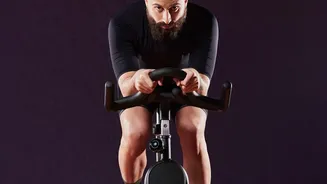
Cycling is a masterclass
in resistance-based aerobic exercise. Every push of the pedal works against a consistent force, whether that’s the friction of the road or the set difficulty on a stationary bike. This makes it an incredibly effective and controllable way to build cardiovascular endurance. Because you can precisely manage the intensity, you can sustain an elevated heart rate for long periods, which is fantastic for heart health, improving circulation and lowering your resting pulse. The primary muscle groups at work are the powerhouses of the lower body: the quadriceps, hamstrings, glutes, and calves. This repetitive, powerful motion against resistance is excellent for building leg strength and endurance. It’s a low-impact activity, meaning it's generally kinder to your joints than high-impact sports like running.
The Art of Skating: A Dance of Technique and Full-Body Power
Inline or roller skating offers a different kind of challenge, one where technique is paramount. Unlike the constant resistance of cycling, skating is a dynamic blend of powerful lateral pushes followed by moments of gliding. This is where skill comes in; an efficient skater who masters their edges can maintain speed with minimal visible effort, while a beginner will expend more energy with less graceful movements. This focus on technique makes skating a full-body workout. While the legs are certainly engaged, skating heavily recruits the core muscles for balance and stability. The side-to-side pushing motion also targets muscles that cycling often misses, particularly the inner and outer thigh muscles (adductors and abductors) and muscles in the hips and lower back. Vigorously swinging your arms for rhythm and momentum also brings the upper body into play.
Cardiovascular Impact and Calorie Burn
When it comes to burning calories, the winner often depends on intensity. However, research suggests that inline skating can be a more effective aerobic workout than cycling, primarily because it's harder to 'coast' or rest while skating. Some studies have found that at a similar perceived effort, inline skating can burn more calories per hour than cycling at a moderate pace due to its full-body muscle engagement. An interval skating session, alternating between hard effort and recovery, can burn upwards of 450 calories in 30 minutes. Cycling can certainly match and even exceed this, but it often requires a more conscious effort, like tackling hills or engaging in high-intensity interval training. For anaerobic fitness—strengthening and developing muscles—skating has also been found to be more beneficial, as it naturally builds hip and thigh muscles that cycling doesn't target as effectively.
Building Different Kinds of Strength
Your body will adapt differently to each sport. Cycling is fantastic for developing raw power and muscular endurance in the legs. Think of it as a targeted strength training session for your lower body. The result is strong quads, hamstrings, and glutes, ideal for powerful movements like climbing stairs or lifting heavy objects. Skating, on the other hand, builds functional strength, balance, and agility. The need to constantly adjust your center of gravity provides a significant core workout and improves coordination. This translates into better overall body awareness and stability, which is useful in almost any physical activity. While cycling builds the engine, skating fine tunes the chassis and suspension.
Which Is Right for Your Goals?
The best choice ultimately depends on what you want to achieve. If your primary goal is to build powerful leg muscles and get a straightforward, low impact cardiovascular workout that you can easily control, cycling is an excellent option. It’s also often easier for beginners to pick up. If you're looking for a more comprehensive, full body workout that challenges your balance, improves coordination, and engages your core, skating is a superior choice. Skating requires more skill and has a steeper learning curve, carrying a higher risk of falls, but it offers unique benefits for joint mobility and developing muscles often neglected in other exercises.