






A Craving for Comfort
From reviving classic recipes to designing spaces that evoke a bygone era, the restaurant industry is banking on the power of the past. This trend, known as nostalgia marketing, involves using memories and emotional experiences to build a powerful connection
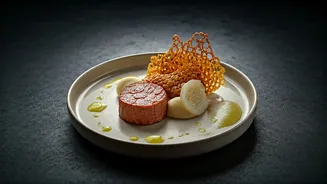
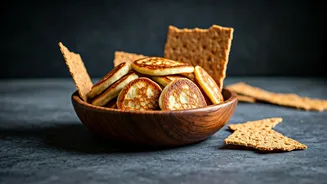
with consumers. In India, this might mean a restaurant focusing on reviving regional heritage recipes, celebrating traditional sweets, or theming an entire space to feel like a slice of history. The goal is simple: instead of just selling a meal, brands are selling a feeling of comfort, familiarity, and trust. A bowl of dal makhani that tastes just like a childhood memory or a beverage in a retro bottle doesn't just satisfy hunger; it taps into a deep-seated emotional need for security.
The Psychology of Yesterday
So, why is this happening now? In a world marked by rapid change, economic uncertainty, and social flux, people naturally seek out things that feel safe and reliable. Nostalgia acts as an emotional anchor in turbulent times. The brain ties flavours and smells directly to the parts responsible for emotion and long-term memory. This is why a familiar taste can transport you back to a simpler, happier time more vividly than a photograph can. For restaurants, this connection is a powerful tool. In India, where food is deeply intertwined with family and relationships, leveraging these memories—a grandmother's cooking, for instance—can enhance brand loyalty and authenticity. Big brands like McDonald's have successfully used this by reintroducing classic characters and campaigns, repackaging them for a new generation.
More Than Just the Menu
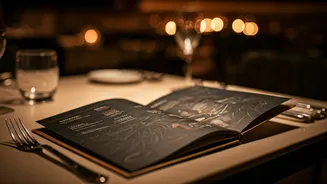
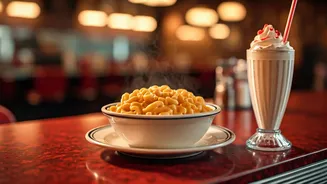
This strategy extends far beyond the food itself. It's about creating a complete sensory experience. Across India, eateries are adopting vintage-themed decor, from walls adorned with classic Bollywood posters to interiors filled with antiques that transport diners to another time. The music, the staff's uniforms, and even the design of the menu can all contribute to the feeling. Some restaurants build their entire identity around a retro theme, such as a 1960s-style diner or a space that recreates the royal heritage of a bygone era. This isn't just about looking backward; it’s about creating a unique and shareable experience that stands out in a crowded market. These visually distinct, retro spaces are also highly popular on social media, giving them an extra marketing boost.
The Risks of a Retro Rewind
However, nostalgia can be a double-edged sword. If the execution feels inauthentic or lazy, consumers will notice. Simply slapping a vintage logo on a new product without a clear story or purpose can come across as a hollow gimmick. There's also the risk of alienating younger customers who don't share the same memories or cultural reference points. The key is balance. Successful campaigns often use the past to say something new or relevant to today's audience. An empirical study on the Indian food and beverage market found that nostalgic appeals are most effective when they are complemented by innovation. A brand can't just rely on its history; it must also demonstrate its relevance in the present. The most successful strategies blend heritage with a fresh perspective, ensuring the brand doesn't get stuck in the past.