




The Rise of Warm Minimalism
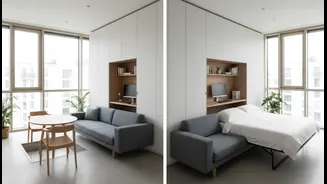
After a decade dominated by stark, Scandinavian-inspired minimalism, there’s a noticeable shift in Indian home interiors. Homeowners and designers are moving away from cold whites and greys towards a style that feels more inviting and personal. This evolution
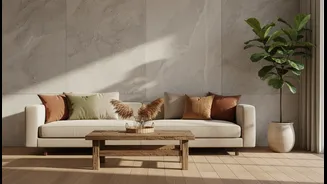
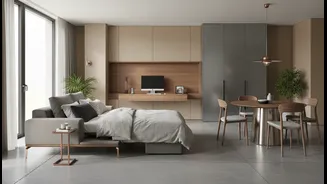
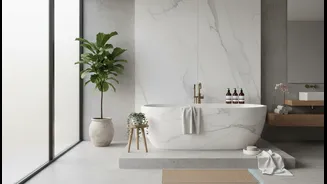
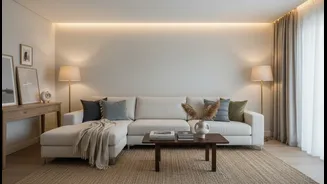
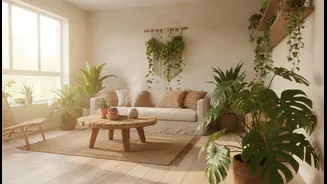
is often called “warm minimalism.” It keeps the best parts of minimalism—clean lines and uncluttered spaces—but swaps the clinical feel for something much cozier. The new palette is inspired by nature, featuring shades of sand, clay, and warm beige. The goal is to create a home that is both calming and sophisticated, a sanctuary from the bustle of modern life without feeling empty or impersonal.
The Gentle Return of Wood
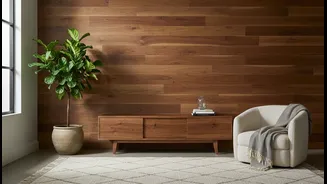
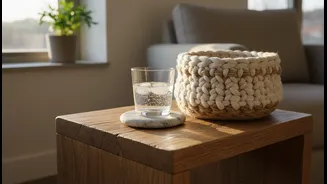
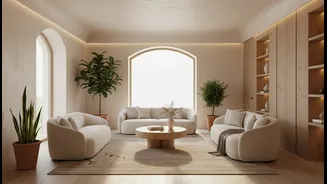
Wood is central to this emerging aesthetic, but its application is more refined than in the past. Instead of heavy, dark furniture that can dominate a room, the focus is on lighter tones like oak and walnut, or traditional Indian woods such as teak and sheesham. These woods are used for their natural grain and texture, bringing a sense of the outdoors inside. You'll see it in clean-lined coffee tables, elegant console tables, and even as wall panelling to add texture. The key is to let the wood's natural beauty shine without overwhelming the space, often pairing it with other materials like stone or metal to create a modern, not rustic, look.
Embracing Soft and Curved Shapes
Alongside warm woods, sharp angles are giving way to soft, organic shapes. Curved sofas with rounded edges, circular coffee tables, and crescent-shaped accent chairs are becoming staples in contemporary living rooms. There's a psychological reason for this shift; curved lines are perceived by our brains as softer, safer, and more calming than sharp angles. A rounded sofa can make a living room feel more inviting and encourage conversation, while even small changes like adding a circular mirror or a round ottoman can soften the feel of a room. This trend is about creating a sense of flow and comfort, making spaces feel more fluid and approachable.
A Modern Approach: Without The Clutter
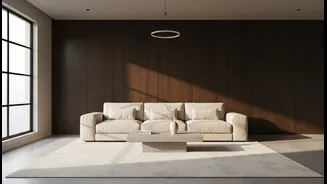
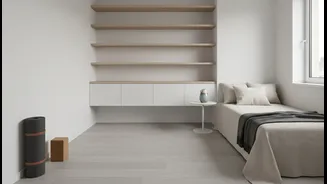
What makes this trend distinctly modern is its rejection of clutter. While the 1970s also embraced wood and earthy tones, it was often accompanied by an abundance of decorative objects. Today’s approach is rooted in intentionality. This style isn’t about filling every surface; it’s about choosing fewer, more meaningful pieces. This philosophy is evident in design trends like 'Japandi', a hybrid of Japanese and Scandinavian styles that values craftsmanship, simplicity, and the beauty of natural materials. The idea is to create a space that feels lived-in and soulful, but also organised and calm. It’s about keeping the items you truly love and giving them the space to be appreciated.