




The Legendary Hindustan-Tibet Highway
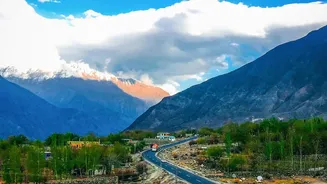
The adventure begins the moment you commit to the old Hindustan-Tibet Road, or National Highway 5. Leaving the familiar hills of Shimla behind, the road soon narrows, becoming a dramatic shelf carved into the side of mountains. This is not a journey for
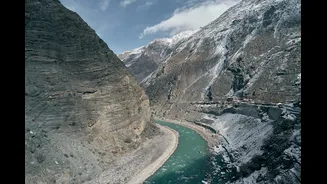
the faint of heart; it's a drive that demands respect. The road twists and turns, plunging into hand-carved tunnels and clinging to sheer cliff faces with thousand-foot drops to the Sutlej river below. It’s a testament to human engineering and grit, dating back to 1850. The thrill of navigating these treacherous stretches is the first taste of Kinnaur's raw, untamed appeal. Every blind corner reveals a new, breathtaking vista, turning the drive into an exhilarating experience rather than a simple commute.
A Constant Dance with the Sutlej River
For a significant part of the journey, your constant companion is the mighty Sutlej River. It is a powerful presence, shaping the landscape and the road itself. You watch it transform from a wide, meandering river in the lower reaches to a raging, muddy torrent squeezed through spectacular, deep gorges. The road often runs parallel to the river, hundreds of feet above its churning waters, offering a visceral sense of nature's power. This proximity to the river adds a dynamic element to the drive; its roar is a constant soundtrack, and its path dictates the improbable twists of the highway. This relentless dance between the road and the river is a core part of the scenic drama.
The Crucial Turn at Karcham
The journey takes a pivotal turn at Karcham, a busy junction where the clear waters of the Baspa River merge with the Sutlej. This is also where the massive Karcham Wangtoo Hydroelectric Plant stands, a marvel of modern engineering amidst ancient mountains. Here, you leave the main highway to enter the Baspa Valley, also known as Sangla Valley. The road instantly changes character. It becomes narrower, and the landscape transforms from rugged, barren cliffs to a greener, more welcoming terrain. This 17-kilometre stretch from Karcham to Sangla is often cited as one of the most thrilling parts of the drive, a narrow ribbon of road that winds its way into a hidden paradise.
Into the Verdant Beauty of Sangla Valley
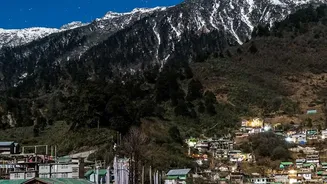
As you drive deeper into the Baspa Valley, the harshness of the Hindustan-Tibet Highway melts away, replaced by a softer, pastoral beauty. The valley is famous for its dense forests of pine and deodar, traditional wooden houses, and, most notably, its sprawling apple orchards. The air feels different here, quieter and filled with the gentle sound of the Baspa River. The drive through the valley, especially the stretch towards Chitkul—the last inhabited village near the Indo-Tibet border—is breathtaking. Here, the journey slows down, inviting you to appreciate the serene landscape of terraced fields and snow-capped peaks that seem to rise directly from the valley floor.
The Majestic Ascent to Kalpa
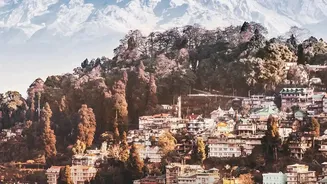
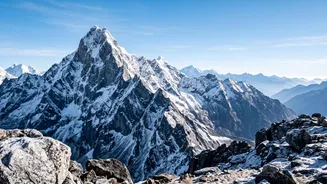
If the drive to Sangla is about descending into a lush valley, the journey to Kalpa is about ascending to a celestial viewpoint. After rejoining the highway and passing the district headquarters of Reckong Peo, a steep, winding road takes you up to the village of Kalpa. The drive itself is beautiful, passing through apple orchards and the rustic village of Roghi. But the true reward is the final reveal. As you arrive in Kalpa, the full, unobscured panorama of the Kinner Kailash range unfolds before you. This sacred mountain, believed to be the winter home of Lord Shiva, dominates the view, its snow-capped peaks glowing golden at sunrise and sunset. The drive to Kalpa is a pilgrimage towards this majestic vista, a fitting climax to a journey through some of the most spectacular landscapes in the Himalayas.