



The Problem with Potted Plants and Heavy Rain
For balcony gardeners, rainfall can be a double-edged sword. While it provides essential hydration, a sudden downpour can be disastrous for plants confined to containers. Unlike in a ground garden where excess water can spread out, pots and planters have
a limited volume. When rain falls faster than the soil can drain, the container becomes saturated. This excess moisture displaces oxygen in the soil, which can suffocate plant roots, leading to a condition known as root rot. Signs of overwatering from rain include yellowing leaves, wilting, and fungal growth. Furthermore, the force of heavy rain can erode topsoil from your pots and physically damage delicate leaves and stems.
What Are Vertical Rain Deflectors?
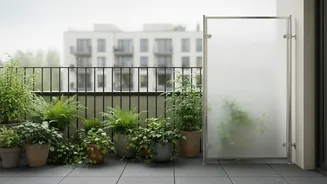
A vertical rain deflector is essentially a barrier that shields the soil in a pot from the direct impact of heavy rainfall. The term might sound technical, but the concept is simple. It's not about creating a completely waterproof roof over every plant, but rather about redirecting the bulk of the water away from the base of the plant. These can be commercial products, often called splash guards or diverters, or simple DIY solutions. The goal is to intercept the flow of rain and guide it over the edge of the pot, preventing the soil from becoming a sodden swamp while still allowing some natural moisture to reach the plant. Think of it as an umbrella just for the soil.
The Simple Mechanics of Redirection
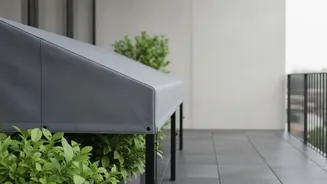
Vertical deflectors work by providing a physical stop that intercepts fast-moving or heavy rainfall before it pounds into the soil. When positioned over a plant pot, a deflector—whether it's a sheet of clear plastic, a repurposed tray, or a custom-made cover—creates an angled surface. Rain hits this surface and, following the path of least resistance, flows off the sides instead of directly into the pot. This significantly reduces the volume and velocity of water soaking the soil. It prevents the immediate saturation that occurs during a downpour, giving the pot's drainage system a fighting chance to handle any water that does get in. This simple redirection is key to managing the micro-environment of a container garden.
Key Benefits for Balcony Gardens
The primary benefit is preventing waterlogged soil and the dreaded root rot that follows. By keeping the soil from becoming overly saturated, you ensure roots have access to the oxygen they need to thrive. But there are other advantages, too. Deflectors help prevent the loss of essential nutrients, which can be washed out of the soil during heavy rains. They also protect the plant's foliage from the physical force of downpours, reducing damage to delicate stems and leaves. Another benefit is the reduction of soil splash-back onto the plant, which can help prevent the spread of soil-borne fungal diseases that thrive in wet conditions. Finally, for sensitive plants like succulents or herbs that prefer drier conditions, a deflector can be the difference between survival and demise during a rainy season.
Finding or Making the Right Deflector
You don't need a complex or expensive system. Many effective solutions can be made from common household items. Some gardeners create simple covers from old placemats, plastic storage bin lids, or sturdy disposable trays. You can cut these materials to fit the top of your pot, creating a shield that covers most of the soil surface. Another popular DIY method involves using clear plastic sheeting or garbage bags stretched over a frame of stakes or a tomato cage. For a more permanent and aesthetically pleasing option, you can purchase commercial plant covers or even repurpose materials like corrugated plastic. The key is to use a waterproof material that is sturdy enough to withstand wind and rain and can be secured in place over your pots.