



Goodbye to the Catalogue Look
For years, the blueprint for a well-designed Indian home felt rigid and predictable. It often involved purchasing entire matching furniture sets, adhering to a single design theme, and ensuring every element coordinated perfectly. The goal was a polished,
flawless finish, heavily influenced by magazines and showroom floors. This approach, while safe, often resulted in spaces that felt impersonal and generic—beautiful, but anonymous. Homes across different cities and towns began to share a similar aesthetic, driven by mass-produced furniture and a collective idea of what was 'in style'. The pressure was on to present a home that was impeccably styled, often at the expense of personal expression and comfort.
The Rise of the Hero Piece
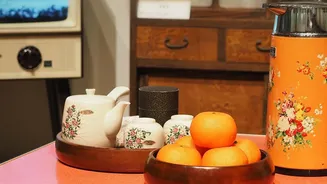
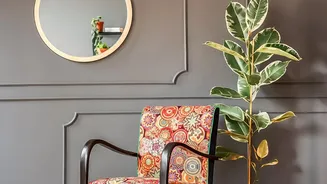
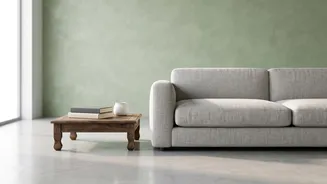
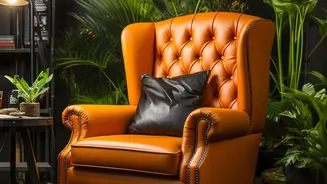
Today, that uniform approach is fading. A new philosophy is taking root, one that starts not with a blank room, but with a single, beloved object. This 'hero' or 'statement' piece could be anything: a vintage armchair inherited from a grandparent, a handwoven rug from a recent trip, a sculptural coffee table, or a bold piece of art. Instead of trying to make this unique item fit into a pre-determined theme, homeowners are now using it as the anchor, building the entire room's design around it. This piece dictates the colour palette, the surrounding textures, and the mood of the space. It ensures the room has a focal point that is rich with personal meaning, turning the space from a decorated house into a soulful home filled with stories.
What's Driving This Personalised Shift?
Several factors are fuelling this move towards personalisation. The post-pandemic era fundamentally changed our relationship with our homes, making us acutely aware of how our spaces support our actual lives, not just how they look. Simultaneously, social media platforms like Instagram and Pinterest have become vast libraries of inspiration, exposing homeowners to a world of diverse styles beyond the traditional. Rather than promoting uniformity, this exposure has given people the confidence to experiment and trust their own taste. Furthermore, the rise of homegrown, direct-to-consumer brands and local artisans in India has made it easier than ever to find unique, high-quality pieces that aren't available in every big-box store. There is also a growing interest in sustainability, with people choosing to invest in fewer, better-made items that will last for years, rather than following fast-furniture trends.
A Symphony of Styles
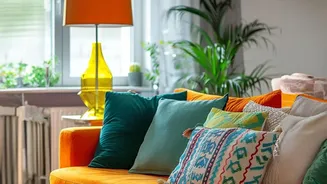
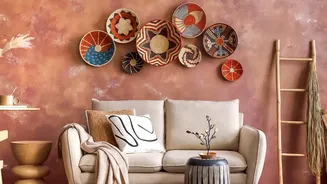
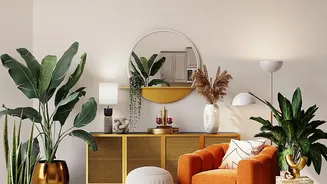
The result of this trend is homes that are wonderfully eclectic and layered. The new Indian interior is not afraid to mix old with new, high-end with budget-friendly, and rustic with modern. You might find a sleek, contemporary sofa paired with traditional block-printed cushions, or a modern dining table surrounded by antique carved chairs. This approach, sometimes called 'Modern Indian Fusion', combines clean, modern layouts with the warmth and character of traditional decor and handcrafted items. It’s a style defined by its freedom, embracing warm, earthy colour palettes, natural materials like wood and jute, and textures that add depth and comfort. The focus is on creating a space that feels collected and curated over time, not decorated in a weekend.