






The Toll of City Living
Life in major Indian urban centres often means constant exposure to high levels of air and noise pollution. This isn't just an inconvenience; it has a tangible impact on health and well-being. Studies have shown emerging links between air pollutants and a range
of mental health issues, including anxiety and depression. The constant sensory overload of city life can lead to what many now call 'urban exhaustion', a state of chronic fatigue where even planning a traditional, packed holiday can feel like another chore. As awareness grows, especially with Air Quality Index (AQI) numbers becoming a daily talking point in cities like Delhi, families and individuals are actively seeking an escape, not just from work, but from the very air they breathe.
What Defines a Recovery Holiday?
An urban recovery holiday is different from a typical vacation. Its primary goal is rejuvenation. Instead of a checklist of tourist spots, the itinerary is guided by the pursuit of clean air, quiet, and a connection with nature. Travellers are increasingly planning these trips around AQI forecasts rather than long weekends, with many making quick decisions to escape during periods of heavy smog. These holidays often involve slower-paced activities, digital detoxes, and a focus on wellness. The aim is simple: to sleep better, breathe easier, and allow the body and mind to reset in a serene, natural environment.
Himalayan Sanctuaries for Fresh Air
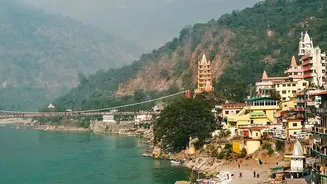
When city air becomes thick with smog, the mountains call. The Himalayan states of Uttarakhand and Himachal Pradesh are popular choices for quick recovery trips, especially for those in North India. Destinations in Uttarakhand like Rishikesh offer a blend of spiritual calm and nature, with eco-resorts focusing on wellness, meditation, and clean energy. While some popular tourist hubs in these states can have their own pollution issues, countless smaller towns and villages offer pristine air. The goal is to find a quiet corner where the views are clear and the primary activity is simply being present in nature. Gangtok in Sikkim is another destination that regularly records some of the country's lowest AQI readings.
Finding Solitude in Forests
The Japanese practice of 'Shinrin_yoku', or forest bathing, is gaining immense popularity in India as a powerful antidote to urban stress. It isn't about hiking, but about slowly and mindfully immersing yourself in the forest atmosphere. Scientific studies show that this practice can reduce stress hormones, lower blood pressure, and boost immune function. Destinations nestled in the Western Ghats, such as Coorg and Wayanad, are ideal for this. Many eco_lodges and wellness retreats in these areas, as well as in places like Jim Corbett National Park, now offer guided forest bathing experiences, allowing guests to disconnect from screens and reconnect with the natural world.
The Calm of the Coast
For those seeking a different kind of natural escape, India's vast coastline offers numerous havens. While major beach cities can be crowded, quieter stretches in Kerala, Karnataka, and the Andaman Islands provide a perfect setting for recovery. Coastal towns like Gokarna are home to wellness retreats that combine yoga, meditation, and sustainable living. The sea breezes help maintain good air quality, making these locations a reliable choice for a restorative break. Resorts in these areas often focus on holistic wellness and are built to blend in with their natural surroundings, offering a peaceful respite from urban chaos.