





The Rise of the Digital Tiffin
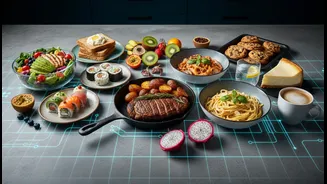
The most visible change has been the explosive growth of online food delivery platforms like Zomato and Swiggy. Fueled by widespread smartphone use and seamless digital payments, ordering in is no longer a rare treat but a daily convenience for many.
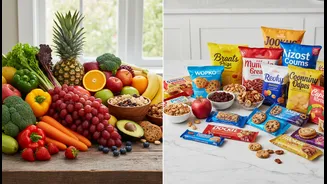
This shift is especially pronounced in urban areas among young professionals, students, and families with busy lifestyles. The market, valued at over USD 61 billion in 2025, is projected to grow exponentially as these services expand into Tier-2 and Tier-3 cities. This convenience has fundamentally altered meal patterns, with a study noting a 28% reduction in home-cooking frequency among urban users. The result is unprecedented access to a variety of cuisines, but it also steers consumers towards restaurant-prepared meals, which can be higher in calories and processed ingredients.
From Kirana to Quick Commerce
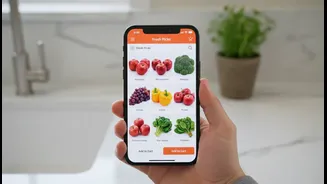
Beyond cooked meals, the internet has revolutionised grocery shopping. The Indian online grocery market is expanding at a remarkable rate, projected to grow at a CAGR of over 24% between 2026 and 2034. Initially led by platforms like BigBasket and Amazon Fresh, the sector is now being supercharged by the quick commerce (q-commerce) boom, with players like Blinkit, Zepto, and Swiggy's Instamart promising deliveries in minutes. This has made a wider array of ingredients, from exotic vegetables to international brands, accessible to households that were previously limited by their local market's offerings. While kirana stores still dominate, e-commerce's share of the grocery market is steadily rising, expected to more than double by 2030. This shift empowers consumers with choice and convenience but also distances them from traditional supply chains.
Scrolling for Supper
Perhaps the most subtle but powerful influence comes from social media. Platforms like Instagram, YouTube, and TikTok have become major drivers of food trends. Visually appealing posts, viral recipes, and influencer recommendations significantly shape what consumers, particularly younger demographics, want to eat. Studies show that a majority of young users are influenced by online food content, which can introduce them to everything from healthy eating trends like millet-based products and smoothie bowls to unhealthy junk food. The phenomenon of "food porn" and advertisements for food delivery apps are associated with increased perceived hunger and impulse orders. This digital discovery process is a double-edged sword; it can promote nutritional awareness but also contributes to the spread of misinformation and fad diets that lack scientific backing.
A New National Diet?
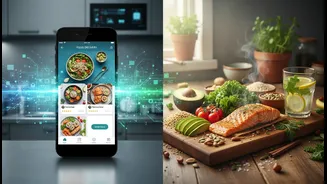
The cumulative effect of these digital forces is a slow but steady transformation of the Indian diet. Traditional, localised food habits are giving way to a more globalised and convenience-driven palate. While this offers greater variety and access, it also presents public health challenges. Increased consumption of processed foods and restaurant meals is linked to rising rates of obesity and lifestyle diseases. One study found that users of food delivery apps had an 18-23% higher caloric intake compared to non-users. At the same time, the internet has also been a tool for health consciousness, with many users seeking out information on nutritious foods and healthy recipes. This creates a complex picture where the internet acts as both a catalyst for unhealthy habits and a potential solution through the dissemination of health information.