


The Race Before the Hurdle
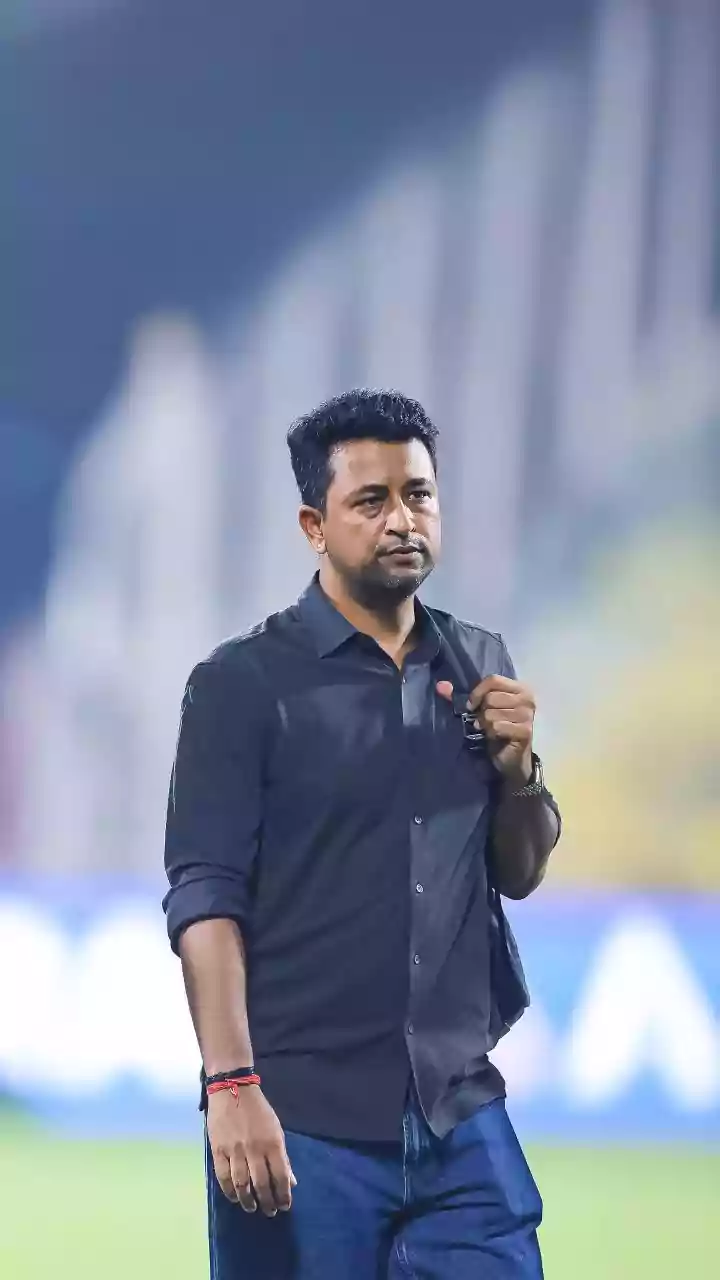
When Ajit Agarkar's tenure as the Chairman of the Senior Men's Selection Committee ended, speculation was rife about his successor. Among the names circulating with serious intent was Parthiv Patel. The former Indian wicketkeeper-batsman, known for his sharp
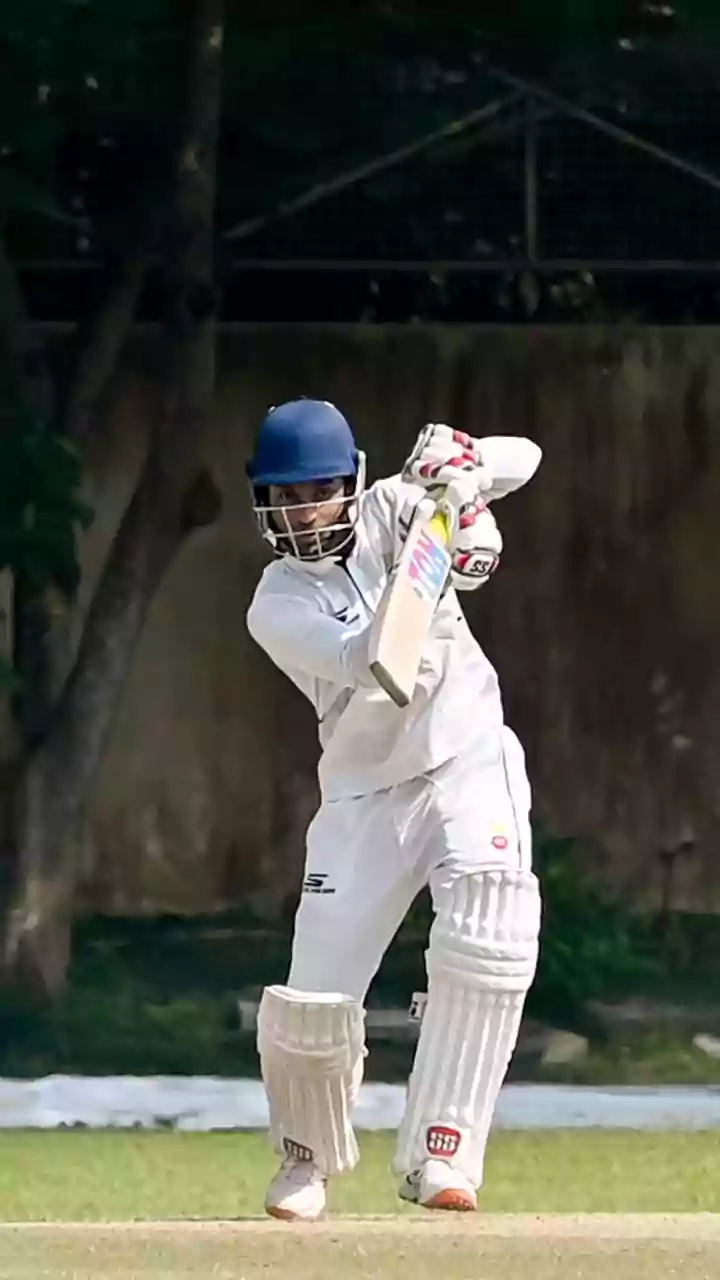
cricketing mind and leadership qualities, was widely seen as a strong candidate. Having led Gujarat to a historic Ranji Trophy title and played under various captains, his experience was considered invaluable. The expectation was that he would apply for the selector's post from the West Zone, vacated by Agarkar, and with 25 Test matches to his name, he would have been the most capped player on the panel, making him the automatic choice for chairman.
The Ineligibility Clause
The primary reason Parthiv Patel is not in contention is a straightforward, but crucial, BCCI regulation. According to the board's eligibility criteria, any applicant for a national selector's role must have retired from all forms of cricket at least five years prior to applying. Parthiv Patel announced his retirement from all formats in December 2020. As of October 2026, he has not completed the mandatory five-year cooling-off period. This rule alone makes him ineligible for the position, effectively ending his candidacy before it could formally begin. The rule is in place to ensure a clear separation between a player's active career and their administrative responsibilities, preventing any potential conflicts.
A Question of Conflict and Commerce
Even if the five-year rule wasn't a factor, Parthiv's current professional commitments would have presented a significant hurdle. BCCI's conflict of interest rules are stringent, prohibiting selectors from being associated with any IPL team, coaching academy, or media house. Patel is deeply involved in the cricket ecosystem as a respected commentator and serves as the assistant and batting coach for the Gujarat Titans in the IPL. Taking up the chief selector's job, which reportedly comes with an annual salary of around ₹3 crore, would have required him to give up these other roles. Reports suggest that his combined earnings from coaching and commentary are significantly higher, creating a major financial disincentive. This financial trade-off has become a talking point, with figures like Ravichandran Ashwin questioning if the selector's salary is enough to attract the best former players.
The Demands of the Job
The role of the chief selector is one of the most powerful and scrutinized positions in Indian cricket. It involves not just selecting teams for all formats but also extensive travel to watch domestic and international matches, identifying new talent, and managing the delicate dynamics of player form and future planning. The chairman is responsible for creating a vision for the team and working closely with the captain and coach. It's a high-pressure, full-time commitment that demands complete dedication. For a recently retired player who has successfully built a multifaceted post-cricket career, the decision to abandon those pursuits for a fixed-term administrative role is a complex one, involving professional and personal sacrifices that go beyond just the numbers.
What Happens Next?
With Patel officially out of the picture, the BCCI's Cricket Advisory Committee (CAC) has moved forward with other candidates. Pragyan Ojha, who was serving as the interim head, is now set to become the full-time chairman. To fill the selector vacancy from the West Zone, the CAC interviewed several former players, including Wasim Jaffer, Salil Ankola, and Ramesh Powar. Reports indicate that former India spinner Ramesh Powar has emerged as the frontrunner to join the panel. The focus now shifts to this new-look committee, which will be tasked with guiding Indian cricket through its next cycle of challenges and tournaments.