

A Rare Celestial Spectacle
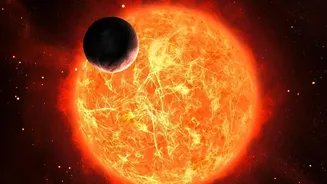
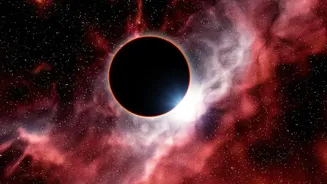
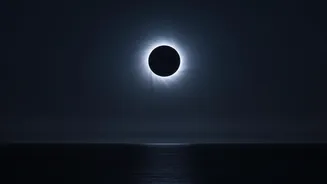
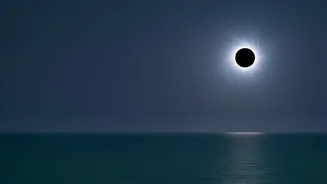
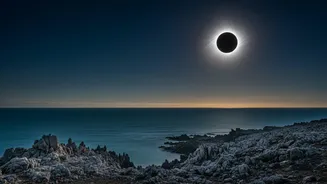
On August 12, 2026, a significant total solar eclipse will occur, tracing a path across the globe. The moment of totality, when the Moon completely obscures the Sun, will be visible over parts of Greenland, Iceland, the Atlantic Ocean, and northern Spain.
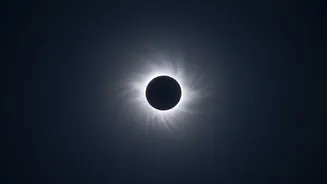
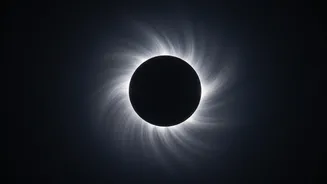
This event is particularly notable as it's the first total solar eclipse to be visible in Europe in over two decades, making it a major draw for sky-gazers and scientists worldwide. During the brief period of totality, which will last for a little over two minutes at its peak, the Sun's ethereal outer atmosphere, the corona, will become visible to the naked eye in one of nature’s most awe-inspiring displays.
Why India Will Be in the Dark
Unfortunately for stargazers in India, the entire celestial event will be missed. The path of totality is thousands of kilometres away, and even a partial eclipse will not be visible from the subcontinent. The eclipse will take place during the night in India, beginning around 9:04 PM IST on August 12 and concluding in the early hours of August 13. Because the event happens after sunset, the Sun will be below the horizon for the entire duration of the eclipse for anyone in India, making direct observation impossible. This geographical reality is precisely why the focus for Indian fans shifts from physical viewing to a digital one.
The Safest Seat in the House: Your Screen
Watching a solar eclipse, even a partial one, requires special eye protection. Looking directly at the Sun without certified solar filters can cause permanent eye damage, a condition known as eclipse blindness. This is where online viewing presents its most compelling advantage: it is completely safe. There is no need for special glasses or pinhole projectors; you can watch the entire event on a screen without any risk to your vision. This removes the significant danger of using improper or counterfeit eclipse glasses, which can fail to provide adequate protection. For families with children, a livestream provides a worry-free way to share the wonder of the cosmos.
How to Watch the Eclipse Online
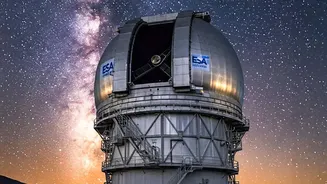
Major space agencies make it incredibly easy for everyone to witness these events. NASA has confirmed it will host a live broadcast of the August 12 eclipse, starting around 1:15 p.m. EDT (which corresponds to the late evening in India). These streams are typically available for free on NASA's website, its official YouTube channel, and other social media platforms. The European Space Agency (ESA) will also be broadcasting live from Spain, offering another high-quality viewing option. These professionally produced broadcasts feature multiple camera feeds from different locations along the path of totality, including high-altitude aircraft, ensuring a stunning view regardless of local weather conditions on the ground.
More Than Just a View
A livestream offers more than just a safe way to watch; it enhances the entire experience. The broadcasts are hosted by scientific experts who provide real-time commentary, explaining the science behind the eclipse as it unfolds. You’ll learn about Baily's Beads, the Diamond Ring effect, and the science of the solar corona from the people who study it for a living. Furthermore, these digital events foster a global community. Indian astronomy fans can join the conversation on social media, share their excitement, and connect with fellow enthusiasts from around the world, participating in a shared global experience that transcends geographical boundaries.