





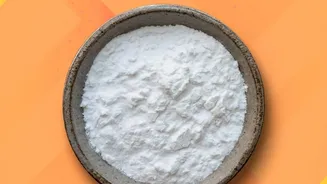
What Exactly Is Creatine?
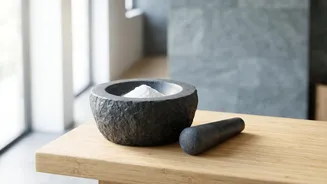
Before we bust the myths, let's clarify what creatine is. It's not a synthetic drug or a steroid. Creatine is a natural compound made from amino acids, the building blocks of protein. Your body produces it in the liver, kidneys, and pancreas, and it's
also found in foods like red meat and seafood. Most of your body's creatine is stored in your muscles, where it plays a vital role in producing energy for quick, powerful movements like lifting weights or sprinting. The supplement form, creatine monohydrate, is simply a concentrated version of this natural substance, making it one of the most studied and effective supplements available.
Myth: It’s a Steroid and is Unsafe
This is perhaps the biggest and most incorrect myth. Creatine is not an anabolic steroid. Steroids are synthetic hormones that mimic testosterone, whereas creatine is a compound that helps your muscles recycle energy. Numerous studies have confirmed that creatine monohydrate has a strong safety profile for most healthy adults when taken at recommended doses. It is a legal and widely accepted dietary supplement used by everyone from professional athletes to fitness enthusiasts looking to improve their performance safely.
Myth: It Damages Your Kidneys
The concern about kidney health is common but largely unfounded for healthy individuals. This myth likely arose because creatine supplementation can slightly increase levels of creatinine in the blood, a marker used to assess kidney function. However, this increase is a normal byproduct of having more creatine in your system and does not indicate kidney damage. Extensive research, including multiple meta-analyses, has found no evidence that taking recommended doses of creatine (typically 3-5 grams daily) harms kidney function in healthy adults. People with pre-existing kidney disease, however, should always consult their doctor before taking any supplement.
The Proven Benefit: More Muscle Strength and Power
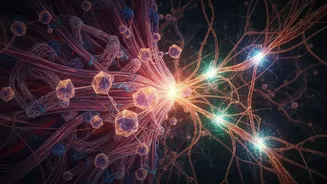
Now for the facts. Creatine's primary and most well-documented benefit is its ability to enhance strength and power output during short, high-intensity exercises. It works by increasing your muscles' stores of phosphocreatine, which helps rapidly regenerate adenosine triphosphate (ATP), your body’s main energy currency. This means you can perform more reps or lift heavier weights, leading to greater gains in muscle mass and strength over time when combined with resistance training. It also helps with muscle recovery after workouts and may even reduce the risk of cramping.
The Surprise Benefit: Sharper Cognitive Focus
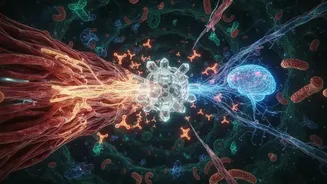
Beyond the gym, one of the most exciting areas of creatine research is its effect on the brain. Just like your muscles, your brain uses ATP for energy-intensive tasks. Since a small amount of your body's creatine is stored in the brain, supplementation can boost the energy available for cognitive processes. Emerging evidence and systematic reviews suggest that creatine supplementation can improve aspects of cognitive function, particularly short-term memory, processing speed, and attention. These cognitive benefits may be even more pronounced in individuals with lower creatine levels, such as vegetarians, or during stressful situations like sleep deprivation.
How to Use It Simply and Effectively
Getting the benefits of creatine is straightforward. Forget complicated protocols you may have heard about. The most proven method is to take 3 to 5 grams of creatine monohydrate daily. There's no need for a 'loading phase' of higher doses, though it can saturate your muscles faster; consistent daily intake is what truly matters. You can mix the powder into water, a shake, or even your morning coffee. Timing isn't critical, so take it whenever it's most convenient for you to maintain a daily habit. Consistency is the key to unlocking its full potential for both your body and mind.