



A Strategic Shift in Orbit
India's space program, historically driven by the Indian Space Research Organisation (ISRO), has long focused on sovereign capabilities and public services. For over five decades, ISRO brought space-based applications to the common person, from telecommunications
to remote sensing. However, a monumental shift began in June 2020, when the government decided to open up the space sector to private enterprise. This wasn't just about outsourcing parts; it was a strategic pivot to transform a government-led program into a globally competitive space economy. The goal is to move beyond ISRO's role as the sole operator and position it as an enabler, focusing on advanced research and development while a burgeoning private sector handles commercial operations. This reform is designed to attract private investment, foster innovation, and significantly increase India's share of the global space market.
The Commercial Engines: NSIL and IN-SPACe
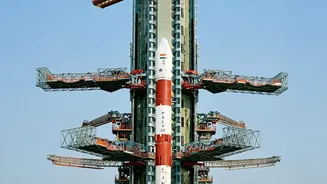
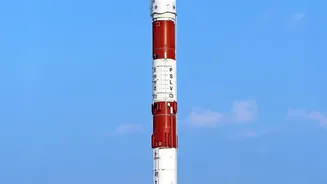
Two key organisations are driving this transformation: NewSpace India Limited (NSIL) and the Indian National Space Promotion and Authorisation Centre (IN-SPACe). NSIL, established in 2019, is ISRO's commercial arm, tasked with marketing India's space products and services globally. Its responsibilities include procuring launch vehicles like the PSLV from industry partners, managing satellite launch contracts for international customers, and leasing satellite capacity. NSIL has already facilitated the launch of hundreds of foreign satellites, including major contracts with companies like OneWeb. Complementing NSIL is IN-SPACe, a single-window agency created to promote, authorise, and supervise all space activities of private companies. Acting as a crucial interface, IN-SPACe helps startups and established companies access ISRO's state-of-the-art facilities, technical expertise, and launch infrastructure, effectively lowering the entry barriers into the capital-intensive space industry.
A Galaxy of Startups
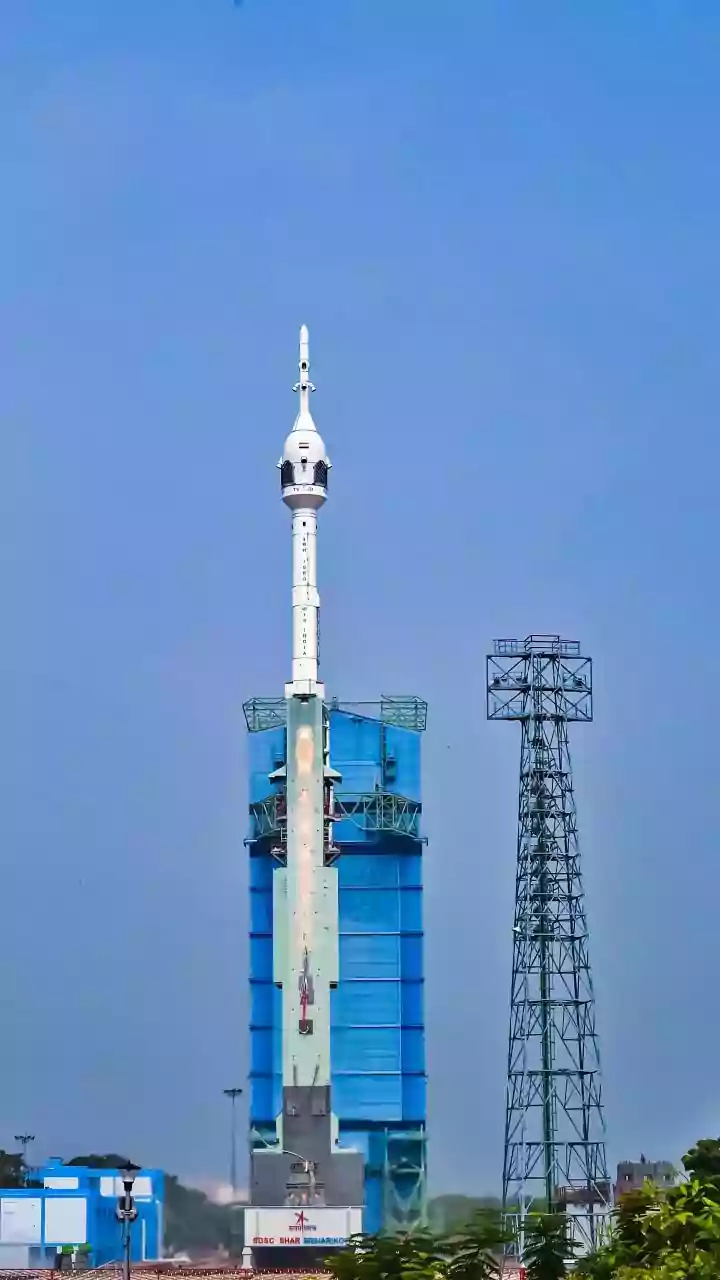
The policy reforms have ignited a startup boom in India's space sector. The number of space startups has surged from just a handful before 2020 to over 400. These companies are not just suppliers; they are developing their own end-to-end space technologies. Hyderabad-based Skyroot Aerospace made history with Vikram-1, India's first privately developed orbital rocket, demonstrating that private firms now have the capability to launch satellites independently. Other notable players include Agnikul Cosmos, which is developing its own launch vehicle, and Pixxel, which is building a constellation of hyperspectral imaging satellites. This vibrant ecosystem is attracting significant funding, with Indian space-tech startups having raised hundreds of millions in investment, signaling strong investor confidence in the sector's long-term potential.
The Business of Space
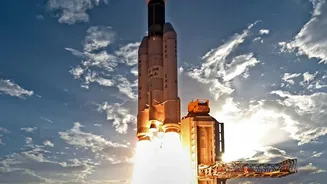
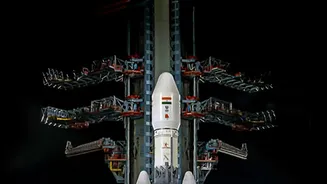
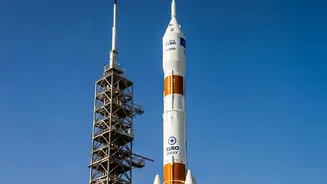
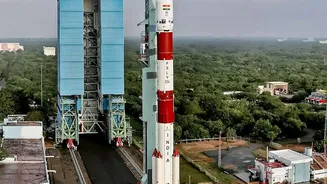
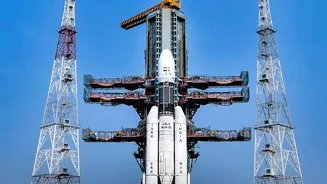
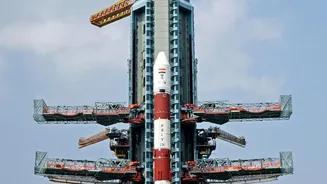
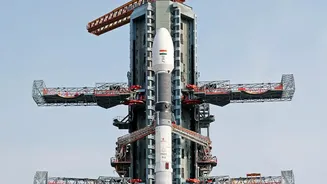
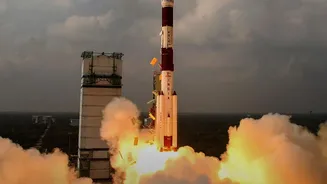
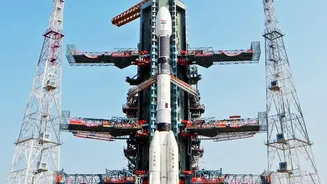
The commercial offerings from India are diverse. Launch services remain a cornerstone, with ISRO's workhorse PSLV and the heavy-lift LVM3 offering cost-effective and reliable options for placing satellites into orbit. The development of the Small Satellite Launch Vehicle (SSLV) is specifically aimed at the booming market for small satellite constellations. Beyond launches, the ecosystem provides satellite manufacturing, transponder leasing for communications, mission support services, and the transfer of ISRO-developed technologies to industry. A rapidly growing area is downstream applications, where companies use satellite data for industries like agriculture, disaster management, urban planning, and climate monitoring, turning space assets into tangible economic value on the ground.
Aiming for a Bigger Slice of the Sky
This commercial expansion is part of a larger national ambition. India's space economy, valued at around $8.4 billion, currently accounts for 2-3% of the global market. The government has set an ambitious target to grow this to $40-45 billion over the next decade, aiming for an 8% share of the global space economy by 2030. Achieving this will involve not just increasing the frequency of launches but also building a self-reliant ecosystem where private industry can manufacture entire launch vehicles and satellites. Liberalised Foreign Direct Investment (FDI) norms, allowing up to 100% in certain sub-sectors, are intended to attract global capital and expertise to accelerate this growth.