
The Backlash Against 'Sad Beige'
The reign of the all-beige room, once a hallmark of chic minimalism, is beginning to fade. While there's nothing inherently wrong with beige, its overuse has led to what some critics call an 'epidemic of beigeness' or 'sad beige'. When every surface,
from walls to sofas to rugs, is drenched in the same flat tone, spaces can lack personality and feel predictable or even sterile. Designers and homeowners are now seeking to move beyond these one-note interiors, not by abandoning neutrals altogether, but by embracing a more expressive and sophisticated approach. The goal is to create homes that feel collected, personal, and deeply comforting—qualities that a monochromatic palette can sometimes suppress.
Understanding Layered Neutrals
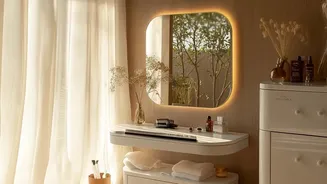
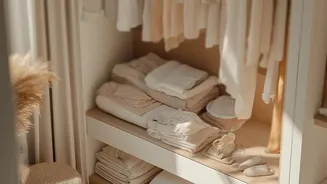
So, what does it mean to layer neutrals? It's a design technique focused on combining a variety of neutral shades within a single space to create depth, warmth, and visual interest. Instead of sticking to one colour, this approach involves mixing different tones from the same family or across the neutral spectrum. Think creamy whites, earthy taupes, warm greys (or 'greige'), and even richer browns like tan and caramel. The result is a cohesive and calming environment that feels anything but boring. This tonal strategy allows a room to feel timeless and grounded, creating a sophisticated canvas that highlights the different elements within it.
The Critical Role of Texture
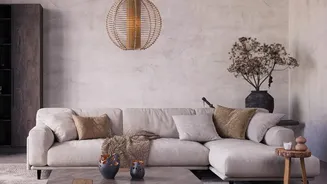
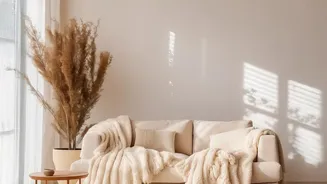
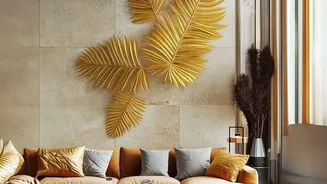
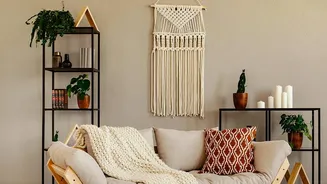
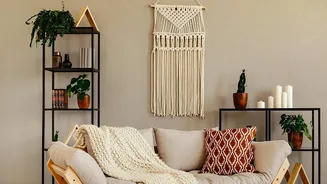
Texture is arguably the most important element in a successful layered neutral scheme. Without it, even a room with multiple neutral shades can fall flat. Texture adds the tactile quality that makes a space feel inviting and cozy. Think of combining different materials: a soft, chunky wool throw on a smooth linen sofa, a natural jute rug under a polished wood coffee table, or velvet cushions against a plaster-finish wall. These combinations engage the senses and create subtle contrast, adding richness without adding visual clutter. From mohair and corduroy to stone and rattan, mixing materials is key to building a room that feels curated and complex.
Expanding Your Neutral Palette
The new vision for neutrals extends far beyond beige and grey. Designers are increasingly using muted, earthy colours that function as neutrals, providing a calming backdrop with more personality. These 'new neutrals' include soft, dusty pinks, muted olive and sage greens, warm terracottas, and even complex shades like butter yellow or soft mauve. These nature-inspired hues have a greater depth that shifts with the light, making a room feel more dynamic and alive. For instance, a soft green can evoke a sense of biophilic connection to the outdoors, while a buttery yellow can bring gentle warmth to a north-facing room.
Finishing with Considered Accents
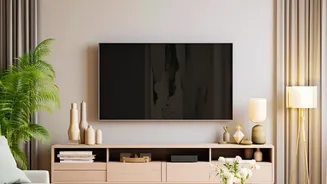
The final layer involves introducing accents that provide contrast and character. Mixing wood tones is a growing trend, moving away from the idea that all finishes must match perfectly. Combining a light oak floor with a darker walnut side table, for example, adds a sense of history and visual interest. Metallic finishes also play a crucial role. Accents in warm brass, matte black, or champagne can elevate the space and punctuate the neutral palette. Finally, don't forget the power of art and organic elements. A colourful piece of artwork, a sculptural plant, or a collection of handmade pottery can provide the final personal touch that makes a layered neutral room truly sing.