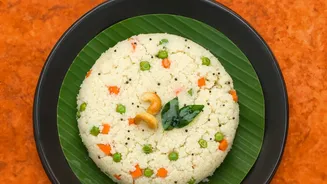




Looking for a breakfast that is light, healthy, and deeply satisfying? Foxtail millet idli offers a nutritious, gluten-free twist on the South Indian classic. Here’s how you can welcome this ancient superfood into your modern kitchen.
Why Choose Foxtail Millet?
Before we start soaking
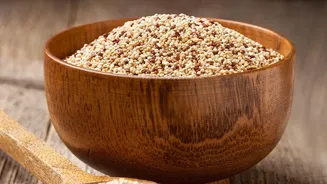
and grinding, let's appreciate what makes foxtail millet, known as 'thinai' or 'kangni', a kitchen hero. This humble grain is making a major comeback for good reason. It is naturally gluten-free and packed with nutrients. With a low glycemic index, it releases energy slowly, helping to manage blood sugar levels and keep you full longer, which is great for weight management. Rich in dietary fibre, it aids digestion and promotes good gut health. It's also a good source of protein, iron, and calcium, supporting everything from bone strength to immunity. Swapping traditional rice for foxtail millet turns your breakfast idli into a nutritional powerhouse without sacrificing taste.
Your Ingredients List
Making perfect foxtail millet idlis starts with a few simple ingredients. The ratio is key to getting that soft, fluffy texture. For a standard batch, you will need:
1.5 cups Foxtail Millet (also called Thinai, Korralu, or Kangni)
1/2 cup Urad Dal (split black gram)
1/2 teaspoon Fenugreek Seeds (Methi)
Salt to taste
Water for soaking and grinding
Oil or ghee for greasing the moulds
Some recipes also recommend adding a small amount of poha (rice flakes) or a spoonful of cooked millet rice to make the idlis even softer, but this is optional.
Step 1: Soaking is Key
Proper soaking is the first and most crucial step. Start by washing the foxtail millet thoroughly in water two to three times, until the water runs clear. In a separate bowl, wash the urad dal and fenugreek seeds together. Now, soak the millet and the dal mixture in separate bowls with plenty of fresh water. They need to soak for at least 4 to 6 hours. This process softens the grains, making them easy to grind and also helps in the fermentation process later on.
Step 2: Grinding the Batter
Once soaked, drain the water from the urad dal and fenugreek seeds, but keep some of the water aside. Grind the dal-fenugreek mixture first, adding a little of the reserved soaking water as needed, until you have a smooth, light, and fluffy batter. Transfer this to a large bowl. Next, drain and grind the soaked millet. The millet batter can be slightly coarse, which gives the idlis a pleasant texture. Add as little water as possible to get the grinder running. If you are using a mixer-grinder, grind in batches and use cold water to prevent the batter from heating up.
Step 3: The Art of Fermentation
Combine both the ground urad dal batter and the millet batter in your large bowl. Add salt and mix everything together thoroughly with your hand. Mixing with your hands is a traditional method believed to aid fermentation. The batter should be thick but pourable. Cover the bowl with a lid and leave it in a warm place to ferment for 8 to 12 hours, or overnight. The fermentation time will depend on the climate; in colder weather, it may take longer. A wellfermented batter will have risen to about double its original volume and appear airy and bubbly.
Step 4: Steaming to Perfection
Once your batter is perfectly fermented, you are ready to steam the idlis. Lightly grease your idli moulds with oil or ghee. Gently stir the batter—you don't want to knock out all the air. Pour the batter into the moulds, filling them about three quarters full. Bring water to a boil in your idli steamer or pressure cooker (without the weight). Place the idli stand inside, cover, and steam on a medium flame for 10 to 15 minutes. To check if they are done, insert a toothpick or knife into the centre of an idli; it should come out clean.
Serving and Enjoying Your Idlis
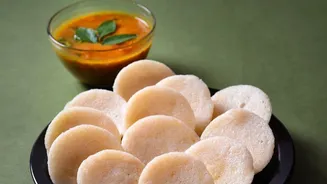
After steaming, let the idlis rest for a few minutes before demoulding. This helps them come out cleanly. Use a wet spoon to gently scoop them out. Serve these soft, nutritious foxtail millet idlis hot. They are best enjoyed with traditional accompaniments like a warm bowl of sambar, flavourful coconut chutney, or a spicy podi. These idlis are not just for breakfast; they make a fantastic light lunch or a healthy tiffin box meal.