






Why Eating Seasonally Matters
As India transitions from the damp monsoon to the drier, cooler days of autumn, our bodies require different kinds of nourishment. According to Ayurveda, this is the 'Vata' season, characterized by coolness and dryness. Eating warm, grounding, and nutrient-dense
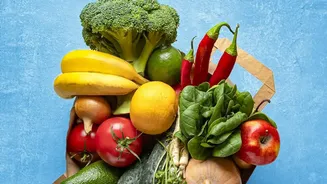
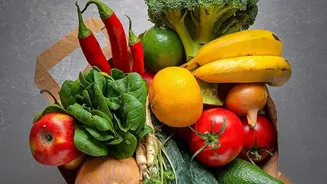
foods can help maintain balance and boost immunity for the months ahead. Seasonal produce is fresher, tastes better, and is more affordable. It’s harvested at its nutritional peak, offering more vitamins, minerals, and antioxidants compared to produce that has been in cold storage. By choosing seasonal ingredients, you’re not just eating healthier; you’re connecting with a food tradition that is both wise and sustainable.
Embrace Hearty Root Vegetables
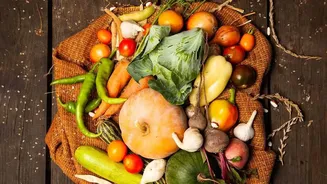
October is the time when root vegetables begin to appear in markets, fresh and full of flavour. Carrots, sweet potatoes (shakarkandi), and radishes are particularly good choices. Carrots are juicy and sweet this time of year, packed with compounds that support immune function. Sweet potatoes are a fantastic source of fibre and beta-carotene, perfect for supporting respiratory health as the weather changes. Radishes, with their pungent kick, are great for digestion. Try roasting sweet potatoes with a dash of cumin for a simple chaat, grating fresh carrots into parathas, or adding thinly sliced radishes to your salads and subzis for a satisfying crunch.
Welcome the Cruciferous Crew
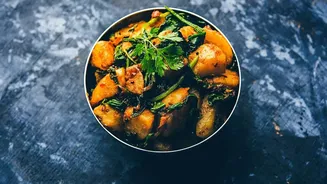
Cauliflower and cabbage are at their best as the weather cools. These versatile vegetables are packed with antioxidants and vitamins that help the body detoxify and prepare for winter. Cauliflower, with its subtle, nutty flavour, is a star in classic Indian dishes like Aloo Gobi or a simple Gobi Masala. Cabbage is rich in fibre, which promotes good gut health, and its leaves can be used in everything from stir-fries to coleslaws or traditional Thoran-style preparations. Both vegetables are excellent at absorbing spices, making them perfect canvases for your favourite masalas.
Enjoy Autumnal Fruits
The fruit basket also sees a wonderful change in October. This is the season for pomegranates and custard apples (sitaphal). Pomegranates, with their jewel-like seeds, are loaded with antioxidants and add a sweet-tart burst of flavour to salads, raitas, and even rice dishes. Custard apples are creamy, sweet, and incredibly delicious on their own. They are a rich source of vitamins and minerals. Guava and papaya are also widely available and make for great, healthy snacks between meals. Including these fruits in your diet is an easy way to get a natural dose of energy and nutrients.
Lean on Warming Spices
Spices are central to Indian cooking, and in autumn, their warming properties become even more important. Ginger, turmeric, cinnamon, and cumin are your best friends this season. Ginger is excellent for digestion and soothing sore throats, making it a perfect addition to your morning chai. Turmeric is a powerful anti-inflammatory and immunity booster; a pinch in your dal or subzi can do wonders. Cinnamon and nutmeg add warmth and a festive aroma to desserts and warm milk, which can promote restful sleep. Cumin aids digestion and adds a characteristic earthy flavour to almost any savoury dish. Using these spices moderately will help keep you warm and support your digestive fire.
Incorporate Grounding Grains
Ayurveda suggests eating warm, cooked foods during this season, and that includes wholesome grains. While rice and wheat are staples, this is a good time to include millets like bajra (pearl millet) and jowar (sorghum). These grains are grounding and provide sustained energy. Warm, cooked grains like oatmeal, porridge, or a hearty khichdi made with rice and moong dal are easy to digest and incredibly comforting on a cool day. Pairing these grains with seasonal vegetables and a dollop of ghee not only makes for a delicious meal but also helps balance the body against the season's dry and cool qualities.