

The Soul of the Fair
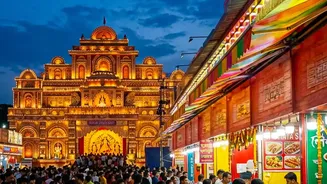
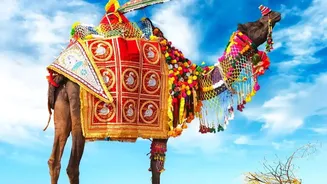
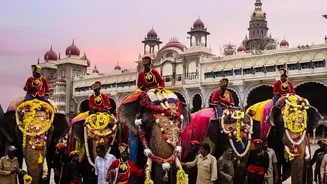
While the Pushkar Mela is globally renowned for its sprawling livestock fair, the true heartbeat of the event is found in its cultural performances. As thousands of traders, pilgrims, and tourists descend on the town, the air fills with melodies and rhythms
that have echoed through Rajasthan for centuries. Beyond the spectacle of animal races and bustling markets, these performances of music and dance offer a profound glimpse into the region's rich artistic soul, transforming the fair from a commercial gathering into a living museum of heritage.
The Music of the Desert
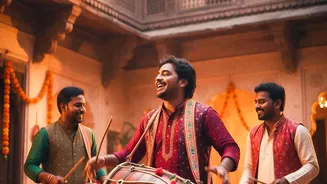
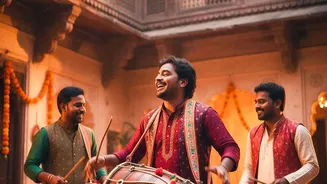
The soundtrack to the Pushkar Mela is provided by hereditary musician communities like the Langas and Manganiyars. These artists, primarily from the desert regions of Jaisalmer, Barmer, and Jodhpur, are the custodians of their patrons' histories, telling tales of heroism, love, and devotion through song. The Manganiyars, who traditionally perform for Hindu patrons, are known for their mastery of the kamaicha, a soulful bowed instrument. The Langas serve Muslim patrons and are famed for the Sindhi sarangi. At Pushkar, their powerful vocals accompanied by instruments like the dholak and khartal create an unforgettable auditory landscape that is the essence of Marwari culture.
The Serpentine Grace of Kalbelia
Among the most captivating sights at the fair is the Kalbelia dance, performed by women from the nomadic snake-charming community. Recognised by UNESCO as an Intangible Cultural Heritage of Humanity, this dance is a sensuous and energetic display. Dressed in flowing black skirts adorned with intricate embroidery, the dancers twirl and sway with a fluid grace that mimics the movement of a serpent. The music, often led by the plaintive notes of the 'pungi' (a woodwind instrument), drives the dance's increasing tempo, creating a hypnotic and powerful spectacle. The form was popularised globally by dancer Gulabo Sapera, who was discovered at the Pushkar Mela.
Whirlwinds of Colour and Devotion
The fairgrounds are also a stage for a variety of other folk dances. The Ghoomar, perhaps Rajasthan's most iconic dance, is a graceful performance where women in vibrant, heavy skirts spin in circles, creating a mesmerising kaleidoscope of colour. Originally performed by the Bhil tribe to worship the goddess Saraswati, it was later adopted by Rajput royalty. Another significant performance is the Terah Taali, a devotional seated dance performed by women of the Kamad community. They attach thirteen small brass discs (manjiras) to their bodies and strike them in rhythmic patterns, a display of incredible precision and devotion.
Stories on a String
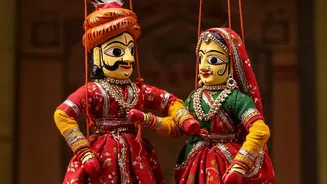
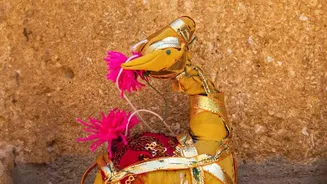
No cultural tour of the Pushkar Mela would be complete without experiencing a Kathputli show. This traditional string puppetry, an art form over a thousand years old, is native to Rajasthan and practiced by the Bhat community. The puppeteers, known as Kathputliwalas, use expertly crafted wooden puppets dressed in colourful Rajasthani attire to narrate historical tales and folk legends, most famously the story of local hero Amar Singh Rathore. Without facial expressions, the puppets are brought to life by the puppeteer's skillful manipulation and a high-pitched, whistling voice that tells the story, making it a beloved form of entertainment for all ages.