





The Sticker Shock on Your Plate
The latest figures on household expenses tell a familiar story for many Indians: the cost of food is climbing. In May 2026, food price inflation stood at 4.78%, a key driver behind the overall retail inflation rate. This isn't an abstract number; it's
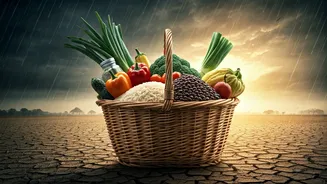
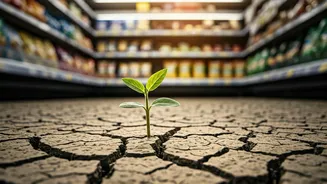
the reality reflected in the price of everyday essentials. Tomato prices, for instance, have seen dramatic spikes, surging nearly 59% year-on-year by early June 2026 due to supply shortages. Onion and potato prices have also been volatile, adding to the strain on kitchen budgets. This persistent inflation in food items, which make up nearly 46% of the consumer price index, is forcing families to make difficult choices. While global factors play a role, a significant and often overlooked driver of these price hikes lies buried in our soil and falling from our skies: water.
The Invisible Ingredient: Water
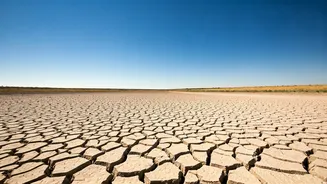
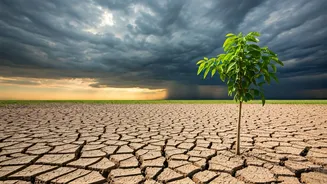
Every crop on our plate has a water footprint. Agriculture is by far the largest consumer of water in India, accounting for about 80-90% of the country's freshwater usage. This makes the food system incredibly vulnerable to water stress, a situation where demand for water exceeds the available supply. India is home to 17% of the world's population but has only 4% of its freshwater resources, making it one of the most water-stressed nations globally. The crisis is deepening due to decades of over-extraction of groundwater—India pumps more than the US and China combined—and the increasing unpredictability of the monsoon due to climate change. The 2026 monsoon season, for example, is already seeing significant deficits, with rainfall 43% below normal in June, threatening to reduce the water available for the crucial kharif sowing season.
From Parched Fields to Pricey Plates
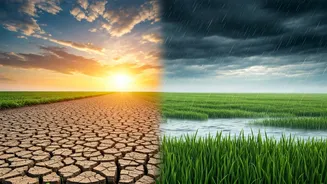
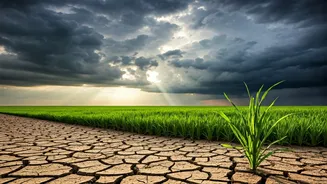
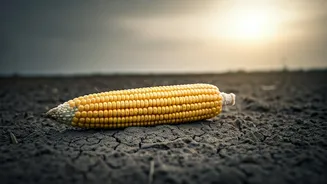
The connection between a weak monsoon and your grocery bill is direct and unforgiving. When rains fail or are delayed, farmers who depend on rainfall face lower yields or crop failure. Those with access to irrigation are forced to pump more groundwater, raising their cultivation costs and further depleting already stressed aquifers. This year, with a strong El Niño pattern predicted, the monsoon is expected to be below normal, a scenario that historically leads to weaker harvests of staples like rice, pulses, and vegetables. A shortfall in production creates a supply crunch in the mandis, and prices inevitably rise. It’s a chain reaction: less rain leads to less water, which leads to lower crop yields, resulting in higher prices for everyone.
A Deeper Problem of Thirsty Crops
The issue is not just about the quantity of rainfall but also about what we choose to grow. Agricultural policies, including Minimum Support Prices (MSP), have historically incentivised the cultivation of water-guzzling crops like rice, wheat, and sugarcane, even in water-scarce regions. These three crops alone represent 90% of India's crop production. In states like Punjab, rice cultivation has been linked to a significant decline in the groundwater table. Similarly, sugarcane farming in Maharashtra and Karnataka places immense pressure on water resources. This focus on thirsty crops creates a structural vulnerability, where our food security is tied to unsustainable water practices. The very policies designed to secure food supply may be undermining our long-term water security.
Searching for a Sustainable Path
Tackling this complex issue requires a multi-pronged approach. Experts and government bodies are increasingly advocating for a shift toward less water-intensive but highly nutritious crops like millets, pulses, and oilseeds. The government has advised farmers in vulnerable, rain-fed regions to make this switch to mitigate the risks of a weak monsoon. Alongside crop diversification, there is a push for adopting water-saving technologies like drip irrigation and promoting practices such as rainwater harvesting and watershed management. These solutions aim to build resilience in Indian agriculture, making it less dependent on a favorable monsoon and ensuring that food remains affordable. However, widespread adoption is hindered by financial constraints and a lack of awareness among farmers.