


The New Work-Life Reality
The post-pandemic era has radically redrawn the boundaries between our professional and personal lives. With hybrid work models becoming the norm, the day of a young Indian professional is more fluid than ever. A morning might start with a Zoom call from
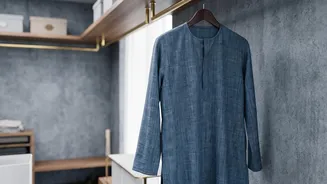
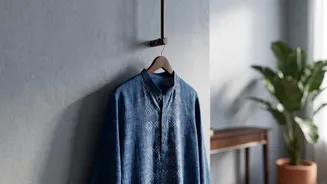
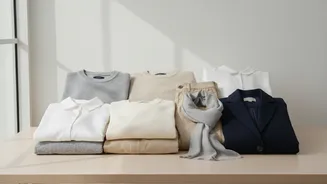
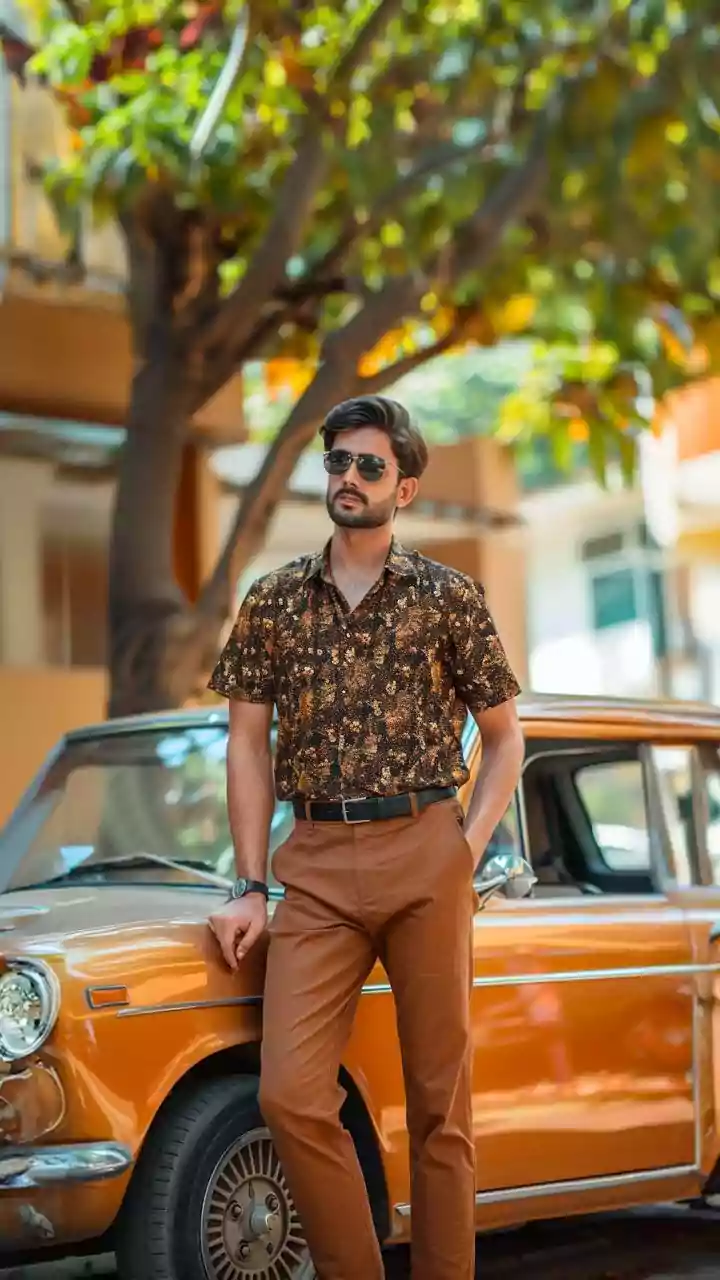
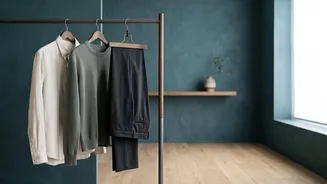
home, followed by an afternoon at a co-working space, and end with a casual dinner with friends. This dynamic lifestyle demands clothing that can seamlessly transition across different settings. The crisp formal wear of the past feels too rigid, while pure loungewear isn't an option for a client meeting. As a result, young Indians are prioritising adaptable pieces—like a smart linen kurta paired with trousers, an Indo-western co-ord set, or a blazer that works just as well with jeans as it does with formal pants—that offer comfort without sacrificing a polished look. The demand is for a wardrobe that works as hard as they do.
A Shift from Price to Value
While young consumers are known for being conscious of their spending, their focus is shifting from the initial price tag to long-term value. This is where the concept of 'cost-per-wear' comes into play. An inexpensive, trendy top from a fast-fashion brand might seem like a bargain, but if it's worn only twice before it falls apart or goes out of style, its cost-per-wear is high. In contrast, a well-made, classic piece that costs more upfront but can be worn dozens of times across multiple occasions offers far greater value. This generation is value-conscious, not just price-sensitive. They are increasingly willing to invest in quality fabrics and timeless designs that promise durability and longevity, ensuring they get the most out of every rupee spent.
The Sustainability Mandate
Environmental consciousness is a significant driver for Gen Z and millennial consumers. With growing awareness of the fashion industry's shocking environmental impact, many young Indians are actively seeking more sustainable ways to dress. Building a versatile wardrobe is an inherently sustainable act. It champions the principle of 'less is more', reducing the need for constant consumption and minimising textile waste. This mindset is also fueling the rise of thrift stores and pre-loved fashion platforms. By choosing pieces that can be styled in multiple ways, consumers extend the life of their garments, which can reduce their carbon, water, and waste footprints significantly. For this generation, a versatile closet isn't just smart; it's a statement of responsibility.
Individuality Over Fleeting Trends
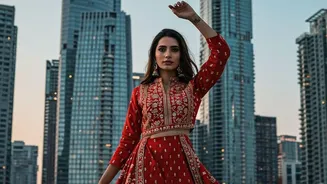
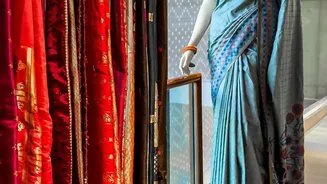
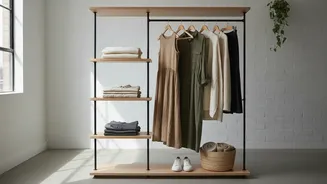
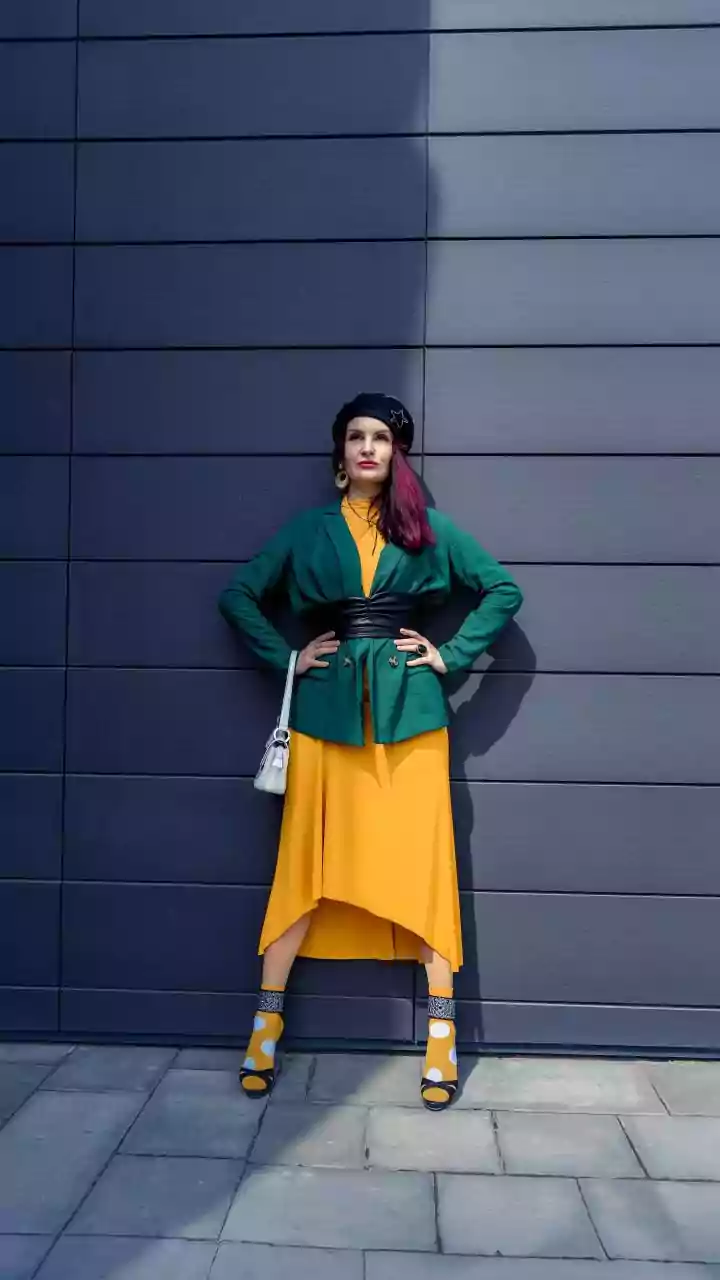
Young Indians are moving away from the pressure to conform to an endless cycle of micro-trends. Instead, they see fashion as a powerful tool for self-expression. A versatile wardrobe, often built around the concept of a 'capsule', allows for greater creativity and personal style to shine through. It's about building a collection of core pieces that reflect one's personality, which can then be mixed and matched to suit any mood or occasion. This could mean pairing a traditional kurta with sneakers, styling a saree with a belt and a crop top, or throwing a blazer over a lehenga skirt. This fusion-forward approach rejects rigid fashion rules and celebrates a unique, culturally confident identity that is both rooted in Indian heritage and globally aware.