
The Enduring Love for Traditional Bites
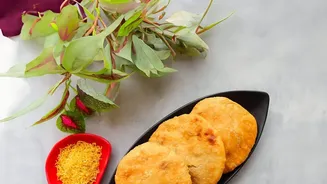
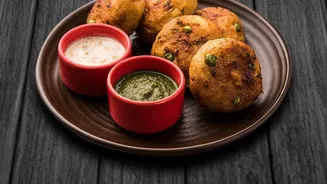
For decades, Indian snacking has been synonymous with a rich tapestry of flavours and textures. Think of the warm, spiced potato filling of a samosa, the savoury crunch of bhujia, or the comforting familiarity of a plate of pakoras on a rainy day. These
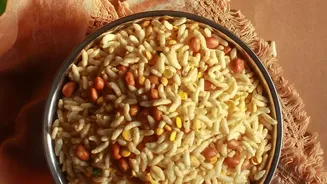
aren't just foods; they are cultural staples, deeply woven into the fabric of daily life, from festive celebrations to casual evening chai. This market for traditional snacks remains incredibly resilient, with savoury options like bhujia and namkeen holding a significant share of the overall snacks market. Their appeal is rooted in taste, tradition, and accessibility, a powerful combination that has made them the default choice for generations. They represent indulgence, comfort, and a connection to familiar flavours that are hard to replicate.
The Rise of the Healthy Challengers
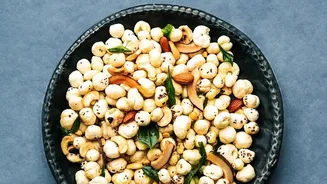
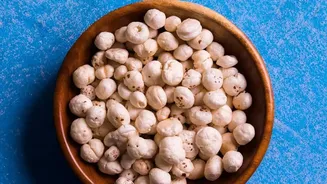
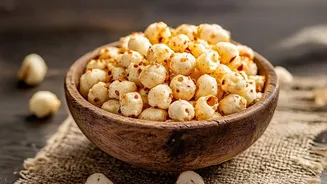
Lately, a new category of snacks has been steadily claiming space on pantry shelves and in office drawers. Makhana (fox nuts), once primarily a food for fasting, has transformed into a mainstream superfood, available in a variety of roasted and flavoured options. It leads a pack of challengers that includes assorted nuts, seeds, and the increasingly ubiquitous protein bar. This isn't a fringe movement; the healthy snacks market in India is experiencing robust growth. According to one study, smart snacking is growing 1.2 times faster than traditional formats, with one in five snacks now carrying a health-related claim. These new options are marketed not as indulgent treats, but as functional foods that offer benefits like sustained energy, muscle recovery, and guilt-free satisfaction.
What's Driving the Big Shift?
Three key forces are reshaping India's snacking landscape: health consciousness, convenience, and savvy marketing. A growing awareness of lifestyle diseases and a desire for balanced diets are pushing consumers to read nutritional labels more carefully. A recent survey found that health is a primary driver for 72% of consumers when choosing a snack, with a majority seeking functional benefits like energy and protein. This shift is especially pronounced among urban millennials and Gen Z. Busy schedules and on-the-go consumption patterns also play a crucial role. A protein bar or a pack of nuts is a far more portable and less messy option than most traditional snacks. Finally, the rise of e-commerce and social media has given these new brands a direct line to consumers, using influencer marketing and targeted ads to build a narrative around wellness and modern living.
Old Players Learn New Tricks
The traditional snack industry isn't standing still. Faced with this new wave of competition, legacy brands are beginning to adapt. This includes launching baked or air-fried versions of classic snacks to appeal to health-conscious buyers, and in some cases, acquiring smaller health food startups to enter the market quickly. We are also seeing a renewed emphasis on the natural, wholesome ingredients that have always been part of traditional recipes, like lentils, millets, and chickpeas. Some brands are highlighting these 'clean label' aspects, using fewer preservatives and artificial additives to bridge the gap between traditional taste and modern health demands. This evolution shows that the market isn't just about new versus old, but about innovation across the board.
A Bigger, More Diverse Snack Bowl
The competition from makhana, nuts, and protein bars doesn't necessarily spell the end for traditional snacks. Instead, it signals an expansion and segmentation of the market. Many consumers now operate on a dual-snacking model: reaching for healthier options during the work week or post-gym, while saving the more indulgent, traditional treats for weekends, festivals, and social gatherings. The Indian snack market is projected to continue its strong growth, becoming large enough to accommodate both categories. The future of snacking in India looks to be one of choice, where the snack bowl is simply getting bigger and more diverse, catering to every mood, occasion, and nutritional goal.