








The Soul of Rhythm
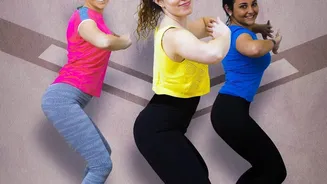
In dance, rhythm is the very heart of the performance. It is the pattern of beats that guides a dancer’s every move, translating music into physical expression. For a dancer, rhythm is not just about keeping time; it is about interpreting the music's
emotional landscape through movement. Whether it’s the structured 1-2-3 count of a waltz or the complex syncopation in hip-hop, the dancer’s body becomes a visual representation of the sound. Rhythm provides the structure, the pulse, and the story, allowing dancers to connect with the music and their audience on a profound level. In rowing, rhythm takes on a different, more mechanical feel, but it is no less crucial. Here, rhythm is about efficiency and endurance. It is the steady, metronomic cadence of the stroke cycle—the powerful drive followed by the controlled recovery. A good rhythm allows the boat to glide smoothly and maintain speed. For rowers, this consistent pace is often described as 'swing', a state where the entire crew moves as one, and the boat feels almost weightless between strokes. This repetitive, hypnotic motion must be maintained over long distances, making rhythm the foundation of a crew's stamina and speed.
The Precision of Timing
If rhythm is the soul, timing is the brain. In dance, timing is the split-second precision of an action. It's about hitting a specific beat, coordinating a lift with a partner, or landing a jump at the perfect moment. While rhythm is about the overall pattern, timing is about the mathematical accuracy within that pattern. A dancer can feel the rhythm but have poor timing, resulting in movements that are a fraction of a second too early or late. Perfect timing is what makes a performance look clean, sharp, and effortlessly synchronized. For rowers, timing is the single most critical factor for success in a crew boat. It's not just about everyone rowing at the same rate; it’s about absolute synchronicity in every phase of the stroke. The 'catch,' when all oars enter the water, must happen at the exact same instant. Any discrepancy, even by milliseconds, disrupts the boat's balance and propulsion. The entire sequence—the leg drive, body swing, and arm pull—must be perfectly mirrored by every rower. This precise, collective timing is what separates a top crew from the rest, turning individual efforts into a unified force.
Harmony in Motion: Solo vs. Group
The challenge of rhythm and timing scales dramatically when moving from a solo act to a group performance. A solo dancer is a master of their own universe, synchronizing their body to the music. While demanding, the focus is internal. In a pas de deux or a large troupe, however, each dancer must not only manage their own rhythm and timing but also synchronize perfectly with others, creating a cohesive and harmonious visual. The cues become external and relational. This dynamic is magnified in rowing. A single sculler battles the clock, their rhythm an internal negotiation with their own stamina and the water. In a coxed eight, eight individuals must become a single entity. The timing must be so ingrained that they can anticipate the movements of the person in front of them without looking. This group synchronization in rowing has been shown to produce a heightened endorphin surge, creating a sense of euphoria and social bonding that is key to the crew's cohesion and performance.
When the Beat Drops Out
In both disciplines, a breakdown in rhythm or timing has immediate and visible consequences. For a dancer, being off-beat can make a performance look awkward and unprofessional. A missed cue in a partnered dance could ruin a lift or cause an injury, breaking the artistic illusion. The stakes are high for the performance's quality and the performers' safety. In rowing, the consequences are stark and unforgiving. A rower whose timing is off can disrupt the entire boat's balance, causing it to rock unstably. A common and dreaded error is 'catching a crab,' where the oar gets trapped in the water, which can bring the boat to a sudden halt, throw the rower off their seat, and ruin any chance of winning a race. A lack of rhythm makes the boat feel heavy and slow, as individual body movements work against the boat's forward momentum. In a competitive setting, a single lapse in timing is the difference between victory and defeat.