





Meet Your New Green Roommates
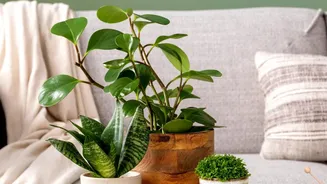
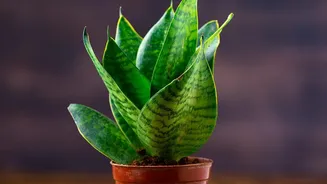
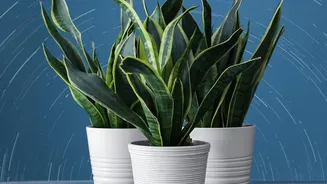
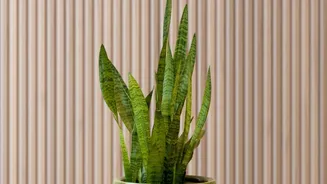
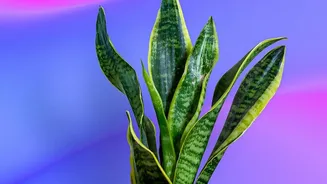
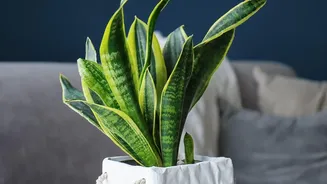
Walk into any plant shop or browse home decor inspiration online, and you're bound to see two plants again and again: the snake plant (Dracaena trifasciata) and the golden pothos (Epipremnum aureum). The snake plant, also known as mother-in-law's tongue,
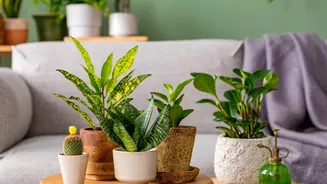
is famous for its stiff, upright leaves that have striking patterns. Pothos, often called devil's ivy, is a lush, trailing vine with heart-shaped leaves that can be solid green or variegated with yellow or white. Both are celebrated as ideal starter plants for their resilience and stylish looks, capable of making any small bedroom or desk corner feel a little more alive.
The 'Impossible to Kill' Reputation
The primary appeal for many is that these plants are incredibly forgiving. They are champions of low-maintenance living and can survive conditions that would doom more delicate species. Both snake plants and pothos tolerate a wide range of light levels, from bright, indirect sun to shadier corners, making them perfect for bedrooms that don't get flooded with daylight. Their watering needs are minimal; in fact, the most common mistake is overwatering them. Snake plants, in particular, thrive on neglect and might only need a drink every few weeks. This 'set it and forget it' quality makes them a perfect match for busy people or first-time plant parents.
The Air-Purifying Promise: What the Science Says
The headline claim that these plants purify the air stems largely from a famous NASA study from 1989. This research found that certain houseplants could remove common volatile organic compounds (VOCs) like formaldehyde, benzene, and xylene from the air in a sealed environment. These are chemicals often found in everyday household items like cleaning products, furniture, and paint. The snake plant was noted as being particularly effective, and it has the unique ability to release oxygen at night, which is the opposite of most plants. This makes it a popular theoretical choice for bedrooms to freshen the air while you sleep.
A Reality Check on Clean Air
While the NASA study is scientifically valid, its findings have been widely misinterpreted for real-world home environments. The experiments were conducted in small, airtight chambers—a setting very different from a typical bedroom with drafts, windows, and daily air exchange. More recent analysis has concluded that you would need an impractically large number of plants to significantly impact a room's air quality. Some estimates suggest needing anywhere from 10 to 1,000 plants per square meter to match the natural air cleaning already done by your home's ventilation. So, while your pothos and snake plant are technically filtering the air, the effect is likely too small to be noticeable. Think of it as a small, natural bonus, not a replacement for opening a window.
The Real, Proven Benefits of Bedroom Plants
Even if they aren't miracle air purifiers, the case for bedroom plants is still incredibly strong. Studies have shown that the simple presence of indoor plants can reduce stress, improve your mood, and even boost focus and productivity. The act of caring for a living thing, however minimal, can be a calming and rewarding routine. Aesthetically, they add colour, texture, and a touch of nature that makes a personal space feel more tranquil and complete. These well-documented psychological benefits are a powerful reason to make room for a green friend on your nightstand.
Practical Care in Small Spaces
Caring for snake plants and pothos in a bedroom is straightforward. For light, they are adaptable but will do best in a spot with medium, indirect light. Avoid direct, harsh sunlight, which can scorch their leaves. For watering, let the soil dry out completely between sessions. For a snake plant, this could be every 3-6 weeks. For pothos, it's closer to every 1-2 weeks. It's always better to underwater than overwater. Keep in mind that both plants are toxic if ingested, so it's wise to place them out of reach of curious pets or children.