


A Universe in High Definition
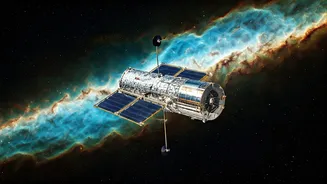
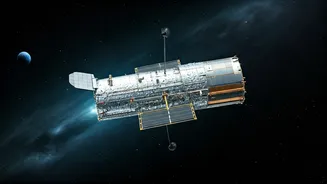
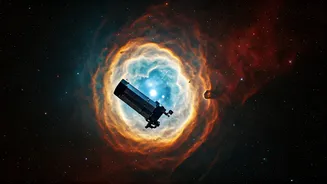
The JWST is a marvel of engineering, orbiting the sun a million miles from Earth and equipped with a massive mirror and unparalleled infrared sensitivity. This allows it to peer through cosmic dust and capture light that has traveled for over 13.5 billion
years, revealing the universe's infancy. It was specifically designed to find the very first galaxies and study every phase of our universe's history. This incredible power means it generates a torrent of new, often perplexing, data. We are seeing things no human has seen before, like surprisingly massive galaxies in the early cosmos or the atmospheric composition of distant exoplanets. This firehose of information is thrilling, but it is also raw data—the very first step in a long scientific process.
The Long Road to 'Fact'
In the age of instant information, it’s easy to see a JWST image and a bold headline as a final conclusion. However, science moves more methodically. Initial observations are just that: observations. To turn them into scientific fact, researchers must analyze the data, develop models to explain what they're seeing, and then submit their findings for peer review. This is a critical quality-control system where other experts in the field scrutinize the methods, data, and conclusions before the paper is published in a reputable journal. Many initial findings are first posted to 'preprint' servers, allowing other scientists to discuss and critique the work. This is part of the process, but it means that many news stories are based on findings that are not yet fully vetted. A surprising data point, like an unusually bright early galaxy, isn't proof of a new cosmic law; it's a puzzle that needs to be solved.
When Headlines Outpace Science
A classic example of hype involved early JWST observations of distant galaxies. These appeared so large and well-structured that some headlines and viral articles claimed the telescope's findings were 'breaking' or 'disproving' the Big Bang theory. The reality was far more nuanced and interesting. The data did show galaxies that were more massive and mature than existing models of galaxy formation had predicted for that early epoch. This didn't mean the Big Bang was wrong; it meant the theories about how quickly the first galaxies grew and organized themselves needed refining. Scientists are now exploring new theories to explain these observations, such as bursts of superheated star formation or the idea that early supermassive black holes helped galaxies grow faster than expected. The discovery isn't that cosmology is broken, but that the early universe was a more complex and chaotic place than previously assumed.
Reading Science with a Critical Eye
So how can a non-scientist follow the incredible journey of JWST without falling for the hype? The key is to read with a critical eye. Pay attention to the language used. Words like 'suggests,' 'indicates,' 'potential,' or 'could' are signs that researchers are presenting a hypothesis, not a confirmed fact. Look for mentions of whether a study has been peer-reviewed. Often, the most sensational claims come from preliminary analyses. Understand that science is a process of refinement, not a series of 'gotcha' moments. When JWST finds something that doesn't fit our models, it's an exciting opportunity for scientists to improve those models, not a crisis that invalidates decades of research. These unexpected findings are where the most profound discoveries are made, but they take time to understand and confirm.