




For city dwellers with a green thumb, the dream of a lush garden often meets the reality of a small balcony. But limited floor space doesn't have to mean limited growth. A tiered ladder plant stand is a simple, yet brilliant, solution.
The Science of Stacking Sunlight
The core genius
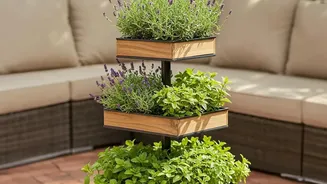
of a ladder stand is its ability to use vertical space to beat the limitations of a flat surface. On a balcony floor, plants compete for a finite patch of sun, often shading each other out. A tiered stand creates multiple levels of light access. The steps of the 'ladder' ensure that light can reach plants on lower tiers that would otherwise be in complete shadow. This vertical arrangement essentially creates different micro-climates of light, allowing you to cater to a wider variety of plants than you could on a single horizontal plane.
A Tier for Every Type of Plant
Strategic placement is key to maximizing your ladder stand's potential. The top tier receives the most intense, direct sunlight, making it the prime location for sun-worshipping plants. Think succulents, herbs like basil and oregano, or flowering annuals that need at least six hours of direct sun to bloom beautifully. The middle tiers offer a balance of bright but less intense light. This zone is perfect for foliage plants, many tropicals, and vegetables that appreciate morning sun but might get scorched by the harsh afternoon heat. The bottom shelves are the most shaded, making them ideal for low-light tolerant species such as snake plants, pothos, and certain ferns. This thoughtful layering ensures each plant gets the light it needs to thrive.
More Than Just Sun
While optimizing sunlight is the main benefit, the advantages don't stop there. By lifting plants off the ground and separating them onto different levels, you significantly improve air circulation around each pot. This increased airflow helps leaves dry faster after watering, reducing the risk of fungal diseases and common pest problems that thrive in damp, stagnant conditions. Furthermore, grouping plants on a stand makes watering more efficient. You can tend to multiple plants in one spot, and excess water from top tiers can sometimes drip down to hydrate the ones below, although you should always check each plant's specific needs.
Choosing Your Balcony Ladder
When selecting a stand, consider the specific conditions of your balcony. For uncovered balconies in India, durability against sun and monsoon rains is crucial. Look for stands made from powder-coated metal, treated wood, or high-quality, UV-resistant plastic. Measure your space carefully to ensure a good fit. Also, consider the weight of your pots when wet. A sturdy stand is a non_negotiable for safety, especially in windy conditions. There are many styles available, from simple A_frame ladders to corner units designed to make use of every inch of space.
Setting Up for Success
Once you have your stand, arrange your plants according to their light needs, as discussed earlier. Place taller plants on the sides or top tier where they won't block light from smaller ones. Consider trailing plants like money plants or string of pearls on middle or top shelves to create a beautiful cascading effect. Remember to rotate your pots every week or two. This ensures all sides of the plant get some light, promoting even growth and preventing them from leaning too far in one direction. Check your plants on lower tiers to ensure they aren't being completely shaded as the upper plants grow larger.