


The End of the 'Off-Season'
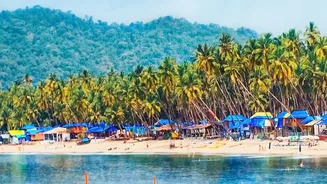
For decades, Goa's tourism calendar was predictable: packed from October to March, and a ghost town during the monsoon. The rainy season, from June to September, meant shuttered beach shacks and a pause on the party. But that perception is rapidly becoming
outdated. A significant shift is underway, with travellers now deliberately seeking out the monsoon experience. So much so that Goa's tourism minister has declared the concept of an "off-season" is fading away. This new wave of visitors isn't looking for the sun-and-sand cliché; they are chasing the mist, the vibrant green landscapes, and the peaceful atmosphere that only the rains can bring.
A Landscape Reborn in Green
The single biggest draw of monsoon Goa is its dramatic natural transformation. The rains breathe new life into the landscape, turning the state into a lush, emerald paradise. The dusty hills and fields of summer erupt into 50 shades of green, while the state's famous waterfalls, often a trickle in the dry season, become thunderous spectacles. The iconic Dudhsagar Falls, whose name means 'Sea of Milk', is at its most majestic during this time, creating a breathtaking sight as it cascades through the Bhagwan Mahavir Wildlife Sanctuary. Beyond the famous falls, trekking to hidden cascades in places like Netravali and Tambdi Surla has become a primary activity, offering an immersive way to experience the Western Ghats at their liveliest.
From Adventure to Serenity
While swimming in the rough seas is off-limits, a different kind of adventure takes over. White-water rafting on the roaring Mhadei River offers a thrilling experience unique to the monsoon months. For those seeking a gentler pace, kayaking through mangrove forests, cycling along the serene Chapora River, and exploring the quiet, bird-filled islands of Divar and Chorao provide a peaceful connection with nature. This calmer atmosphere has also positioned Goa as a premier wellness destination. Ayurvedic wisdom holds that the cool, moist monsoon air makes the body more receptive to therapies, making it the ideal season for detox and rejuvenation retreats. Yoga shalas and wellness centres in places like Assagao and South Goa see a boom, offering everything from panchakarma treatments to aqua pilates and sound healing.
Culture and Calm Without the Crowds
The monsoon offers a chance to see a more authentic, local side of Goa. With fewer tourists, heritage sites in Old Goa, like the Basilica of Bom Jesus and Sé Cathedral, can be explored with a sense of peace and contemplation. The quieter roads invite leisurely drives through picturesque villages, stopping at local taverns and spice plantations that are at their most fragrant and vibrant after the rains. It's also a time for unique cultural festivals, like São João, the 'well-jumping' festival in June, which don't have the commercial feel of peak-season events. This slower pace allows for a deeper immersion into the state's rich Indo-Portuguese heritage and everyday life, an experience often lost in the winter rush.
The Practical Perks of a Rainy Getaway
Beyond the aesthetic and experiential appeal, visiting Goa during the monsoon comes with significant practical advantages. The most obvious is the cost. Flight and accommodation prices can drop by as much as 30-50%, making luxury stays suddenly affordable. The infamous crowds disappear, meaning no long waits at popular restaurants and cafes, and no battling for a quiet spot with a view. While many temporary beach shacks close, the main tourist belts in North Goa like Candolim and Baga keep plenty of establishments running. This combination of lower prices and fewer people creates a more relaxed and personal holiday, allowing travellers to experience the best of Goa without the stress and expense of the peak season.