



A Lifeline from the Stars
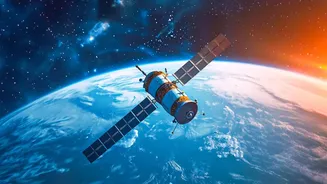
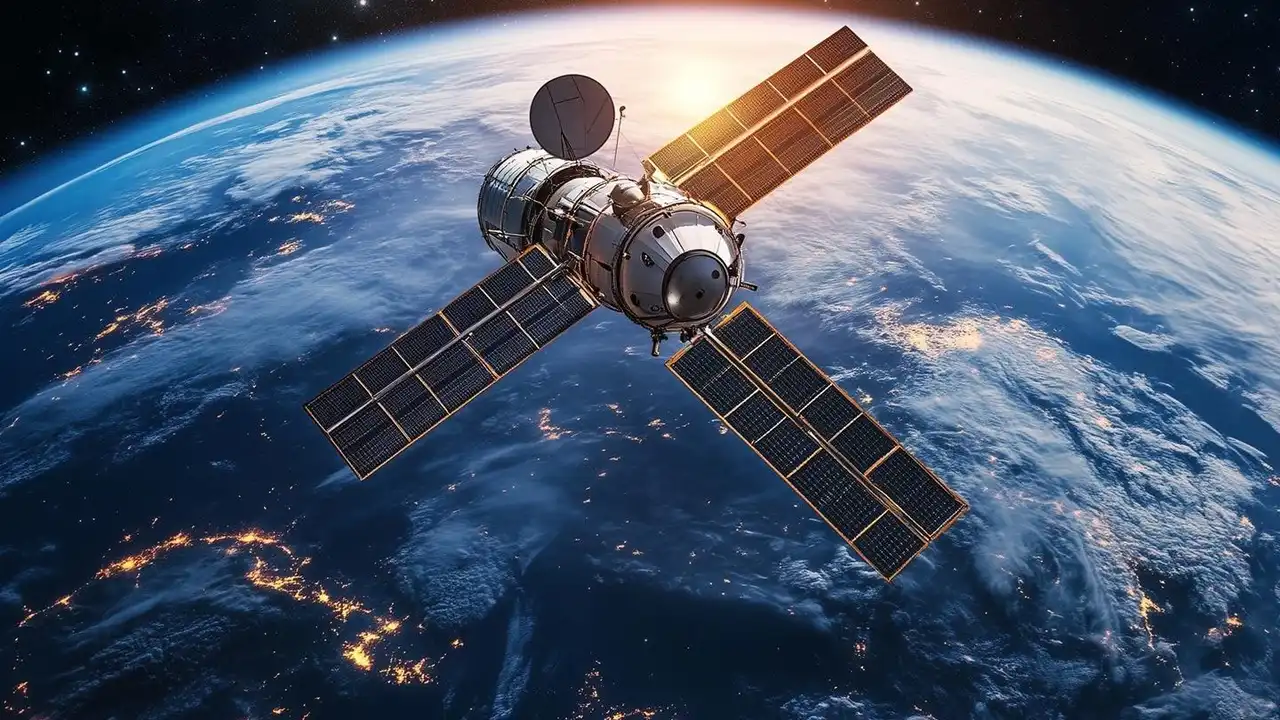
Since the early days of Russia's full-scale invasion, SpaceX's Starlink has been more than just an internet provider for Ukraine; it's been a foundational element of its defense. When Russian cyberattacks and physical strikes crippled terrestrial communication
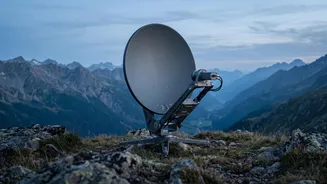
networks, thousands of portable Starlink terminals provided a resilient backup. This enabled the Ukrainian military to maintain command and control, coordinate troop movements, and receive vital intelligence. Critically, it has powered Ukraine's formidable drone operations, allowing operators to pilot reconnaissance and strike drones with real-time video feeds from hundreds of kilometers away. The system's importance extends to civilian life and soldier morale, often providing the only link for soldiers on the front lines to contact their families.
The Source of the Friction
The core of the recent tension stems from new restrictions placed on Starshield, the military-grade version of Starlink used by Ukrainian forces under a contract with the U.S. Department of Defense. In mid-October 2026, Ukrainian military officials reported that the service was abruptly capped without warning, causing terminals on fast-moving platforms to lose connection. Specifically, a speed limit of approximately 160 km/h (100 mph) was imposed, which directly impacts some of Ukraine's most effective drone missions. This includes the use of high-speed interceptor drones designed to chase and destroy Russian jet-powered Shahed drones, which travel much faster than the new limit allows. Ukrainian President Volodymyr Zelensky stated the restrictions left his country unable to use a key tool to protect civilians.
Conflicting Accounts and Unanswered Questions
Who ordered the restrictions remains a point of contention. SpaceX CEO Elon Musk stated that Starshield systems are owned and controlled by the U.S. government, and therefore any limits are decided by the U.S. military and president. However, White House officials have denied involvement, attributing the disruption to technical issues. Further complicating matters, reporting from The Telegraph, citing multiple sources, claimed that Musk himself proposed the speed cap to President Donald Trump, who agreed. President Zelensky has accused SpaceX of deliberately targeting Ukraine, citing tests that allegedly show the speed limits do not apply to Starlink terminals operating in EU countries. He also noted that SpaceX has become unresponsive to inquiries from Ukraine's Defense Ministry.
The Peril of Private Power in War
This episode has thrown a harsh spotlight on the strategic vulnerability of relying on a commercial entity for critical wartime infrastructure. The ability of a private company, or a foreign government acting through that company, to degrade a nation's defense capabilities with the flip of a switch has alarmed officials in Kyiv and beyond. The situation is compounded by a tense political climate, with Ukrainian officials suggesting the move could be linked to U.S. pressure on Kyiv to halt strikes against Russian oil refineries. The incident demonstrates that while commercial tech can offer a battlefield edge, it comes with the risk of being subject to corporate policy, contractual limits, or the political whims of another country.
The Search for Alternatives
The uncertainty has prompted Ukraine to actively seek alternatives to reduce its dependency on Starlink. Officials have confirmed discussions with European countries and defense companies about developing sovereign satellite communication capabilities. However, replacing Starlink's scale and functionality is a monumental challenge. EU foreign policy chief Kaja Kallas warned that Europe could not replace the capability in the short term, with its own secure satellite system, IRIS², not expected to be fully operational before 2029. Ukraine is also exploring other commercial options like Amazon's Project Kuiper and Eutelsat's OneWeb, but these are not yet ready to replace Starlink at the scale Ukraine requires. In the meantime, Russia is aggressively developing its own low-earth orbit constellation, Rassvet, which could pose a significant new threat if deployed successfully.