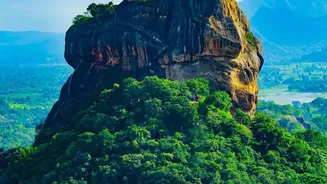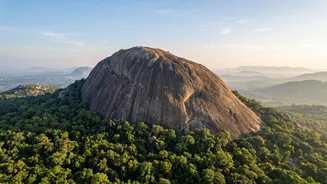



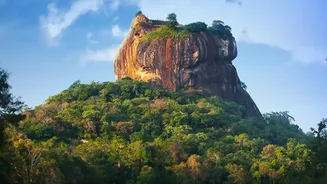
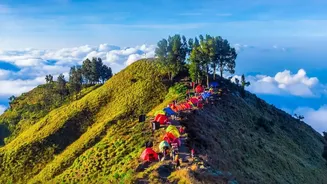
A Granite Giant on the Horizon
The first glimpse of Savandurga is enough to quicken the pulse. Rising 1,226 metres above sea level, its sheer scale is awe-inspiring. This colossal rock is not just a geological marvel but a complete experience, combining a physical challenge with history
and stunning natural beauty. Located just a short drive from the city, it’s the ideal destination for a one-day trek that feels like a world away from the urban hustle. The hill is actually composed of two peaks, Karigudda (the black hill) and Biligudda (the white hill), which together form a trekker's paradise frequented by both adventure seekers and pilgrims visiting the ancient temples at its base.
Choose Your Path: Biligudda vs. Karigudda
Savandurga offers two distinct trails. The more popular and accessible route is the Biligudda (white hill) trek. This trail, starting near the Sri Lakshmi Narasimhaswamy temple, is marked with painted arrows on the rock face, guiding trekkers up the bare, sloping surface. While challenging due to its steepness, it's manageable for most people with a decent level of fitness. The Karigudda (black hill) trail, on the other hand, is steeper, less marked, and significantly more difficult, recommended only for seasoned trekkers. For most weekend warriors, the Biligudda trail provides the perfect balance of challenge and reward.
The Thrill of the Ascent
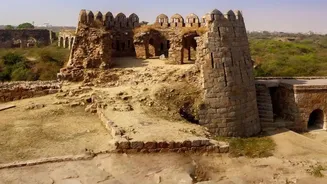
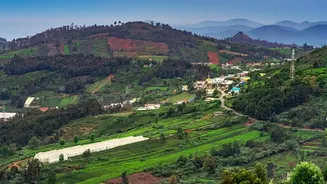
The trek up Biligudda is a journey of endurance and wonder. The climb takes approximately two to three hours, covering about four kilometres of steep, rocky terrain. As you ascend the smooth granite slope, you rely on grip and balance, making for an exhilarating physical test. Along the way, you'll pass the ruins of fort walls, remnants of a time when this hill was a strategic stronghold. The ever-expanding view is a constant motivation; with every upward step, the panoramic vista of the surrounding landscape, including the Manchanabele and Thippagondanahalli reservoirs and the Arkavathi river, becomes more spectacular.
A History Carved in Stone
This monolith is steeped in history. Its name is recorded as early as 1340 AD during the Hoysala dynasty. It later became a formidable fortress under Kempegowda, the founder of Bengaluru, and was subsequently held by the rulers of Mysore, including Hyder Ali and Tipu Sultan. Its reputation was so fearsome that it earned the name Savina Durga, or the “Fort of Death,” considered nearly impossible to scale or escape from. The British, under Lord Cornwallis, eventually captured the fort in 1791. Trekking here is like walking through layers of history, adding a profound depth to the physical journey.
The Summit: A Breathtaking Reward
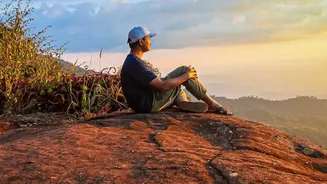
Reaching the summit is a moment of pure triumph. The 360-degree view is nothing short of breathtaking. From this vantage point, the world below unfolds in a tapestry of forests, fields, and distant water bodies. A small Nandi temple sits at the peak, offering a tranquil spot to rest, absorb the scenery, and celebrate the accomplishment. The feeling of standing atop this massive rock, with the wind in your hair and an endless horizon before you, is the ultimate thrill that makes every challenging step of the climb worthwhile. The descent, while quicker, requires just as much caution due to the steep gradient.
Planning Your Weekend Trek
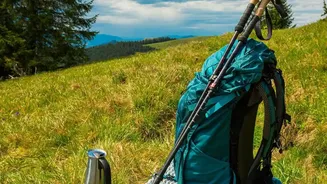
The best time to tackle Savandurga is between October and February, when the weather is cool and pleasant. The summer heat can make the rock intensely hot, while the monsoons render it dangerously slippery. Start your trek early in the morning to avoid the midday sun. Essential items to carry include at least two litres of water, energy-boosting snacks, sunscreen, and a cap. Sturdy trekking shoes with excellent grip are non-negotiable for this terrain. While guides are available at the base, the Biligudda trail is well-marked enough for most groups to navigate on their own.