



Cumin: The Heartbeat of the Spice Box
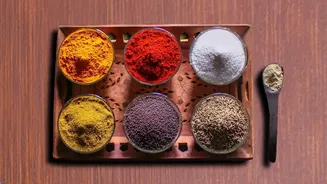
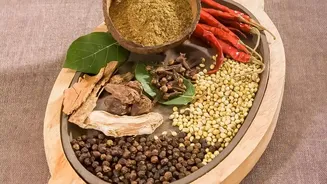
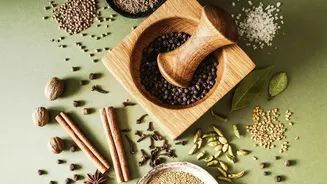
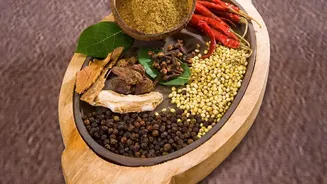
Cumin, or jeera, is arguably one of the most essential spices in an Indian kitchen. Its flavour is warm, earthy, and slightly peppery, providing a robust foundation for countless dishes. You will find it in two primary forms: whole seeds and powder. Whole
cumin seeds are often the first thing to hit a hot pan in a process called 'tadka' or tempering. Frying the seeds in hot oil or ghee causes them to crackle, releasing their aromatic oils and infusing the entire dish with a nutty, smoky essence from the very beginning. This technique is the starting point for many dals, vegetable preparations, and rice dishes like the ever-popular jeera rice. Ground cumin, made from roasted and pulverized seeds, has a more intense and immediate flavour. It blends seamlessly into marinades, gravies, and spice mixes like garam masala, adding a deep, consistent warmth without the texture of the whole seeds. For a quick flavour boost, a sprinkle of roasted cumin powder over a bowl of raita or a fresh salad adds a delightful finishing touch.
Tamarind: The Tangy Counterpart
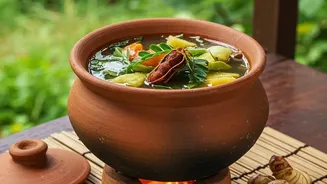
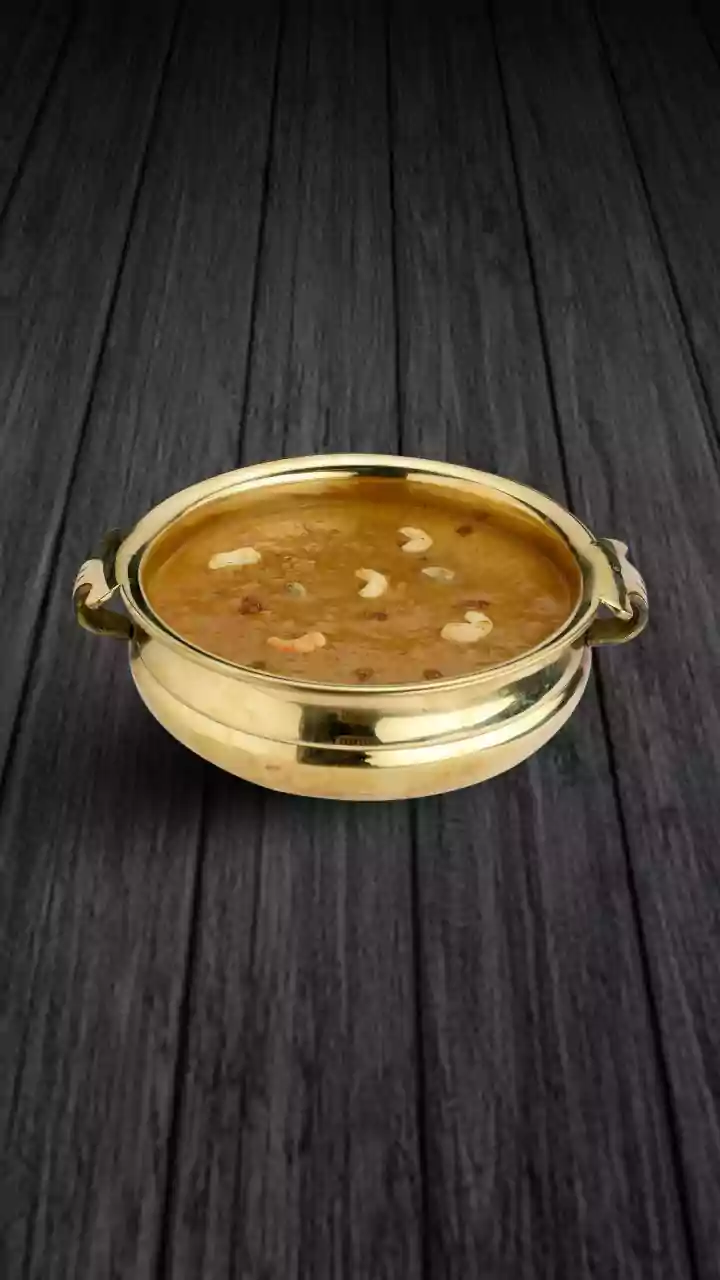
If cumin provides the earthy base, tamarind, or imli, brings the bright, tangy top notes. Derived from the pod-like fruit of the tamarind tree, its pulp has a unique sweet-and-sour flavour that adds a refreshing complexity to food. This zesty character is particularly prominent in South Indian cuisine, where it is a key ingredient in staples like sambar and rasam. Tamarind is also the soul of many chutneys and sauces, perfectly balancing sweetness and spice. You can find tamarind sold as a pressed block of pulp, which needs to be soaked in hot water and strained to create 'tamarind water' or paste. For convenience, ready-to-use tamarind paste or concentrate is also widely available, allowing you to spoon the tangy flavour directly into your cooking. Its acidity not only brightens flavours but also works as a tenderizer, making it an excellent component for marinades.
A Perfect Pairing of Warmth and Zest
While fantastic on their own, cumin and tamarind are a classic pairing in Indian cuisine, creating a harmonious balance of flavours. The earthy depth of cumin grounds the high-toned sourness of tamarind, resulting in a more rounded and complex taste profile. This combination is evident in many popular dishes. In tamarind chutney, for instance, roasted cumin powder is often added to the simmering pulp along with jaggery and chilli, creating a sauce that is simultaneously sweet, sour, spicy, and smoky. In dishes like chana masala or certain tangy dals, cumin is used in the initial tempering, while tamarind paste is stirred in later to add a layer of zest. Even in refreshing drinks like jaljeera, the roasted, smoky flavour of cumin is the perfect counterpoint to the sourness of tamarind, creating a beverage that is both cooling and flavourful.
Simple Ways to Start
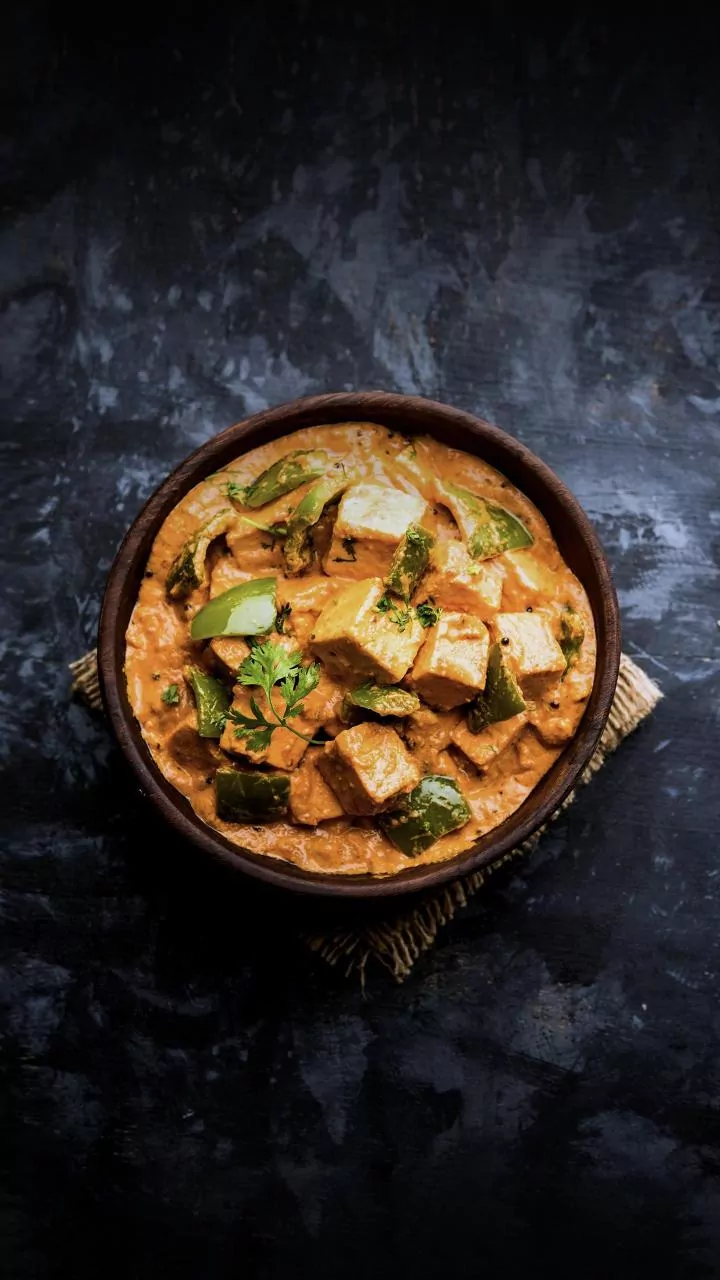
Incorporating these spices into your daily cooking doesn't need to be complicated. Start simple. Begin your next vegetable stir-fry or lentil dish by tempering a teaspoon of cumin seeds in hot oil before adding anything else. Notice the immediate aromatic change. For a tangy twist, stir a teaspoon of tamarind paste into a soup or a pot of dal towards the end of its cooking time. You can also create a simple, flavourful marinade for grilled vegetables or paneer by mixing tamarind paste with ground cumin, garlic powder, and a little salt. Even a basic salad dressing can be transformed by whisking some tamarind water with roasted cumin powder, olive oil, and a touch of honey.
More Than Just Flavour
Beyond their culinary uses, both cumin and tamarind have been valued in traditional medicine for centuries. Cumin is well-regarded for its digestive benefits, with studies suggesting it can stimulate digestive enzymes and may help relieve symptoms of irritable bowel syndrome (IBS). It is also a surprisingly rich source of iron. Tamarind is also recognized for its traditional use as a laxative and for its anti-inflammatory properties. While home cooking uses these spices for flavour, it is a bonus to know they come with a history of wellness benefits.