





Lesson 1: Think Vertically, Not Just Wide
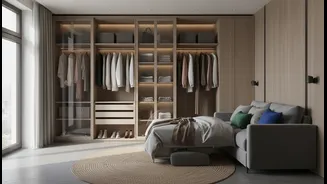
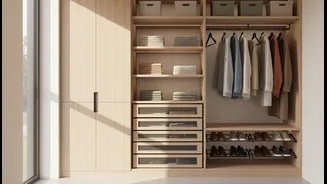
The golden rule of storage in small Indian apartments is to use vertical space. Homes often have generous ceiling heights that go underutilised. This principle is a game-changer for wardrobes. Instead of standard units that leave a dusty gap at the top,
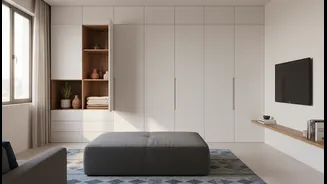
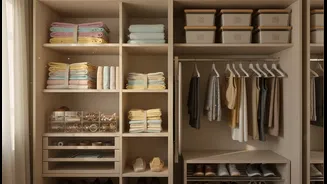
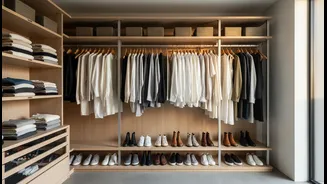
floor-to-ceiling wardrobes can increase storage capacity by up to 30%. This newly claimed real estate is perfect for items you don't need daily, like seasonal woollens, heavy wedding sarees, or luggage. By drawing the eye upward, these tall wardrobes not only store more but also make the room feel higher and more spacious. The top shelves, once a forgotten zone, become prime storage for things that otherwise clutter up more accessible areas.
Lesson 2: Modularity Is Your Best Friend
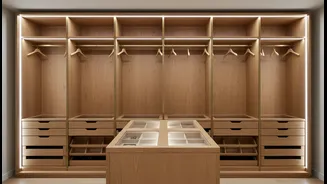
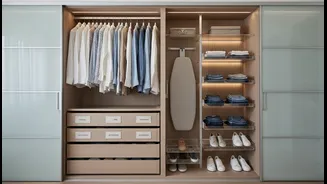
One-size-fits-all furniture is the enemy of efficient living. Smart Indian homes now favour modular systems that can be customised and adapted. This applies directly to your wardrobe's interior. A truly smart wardrobe features adjustable shelves, configurable drawers, and movable hanging rods. This allows you to tailor the space to your specific clothing collection—whether it's long-hanging space for kurtas, shallow drawers for accessories, or dedicated racks for sarees. As your needs change, a modular system can be reconfigured without needing a complete overhaul. It's about creating a dynamic space that evolves with your lifestyle, ensuring every piece of clothing has its perfect home.
Lesson 3: Everything Should Serve a Dual Purpose
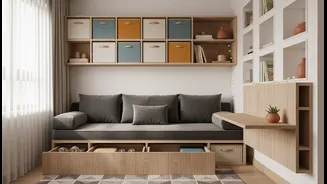
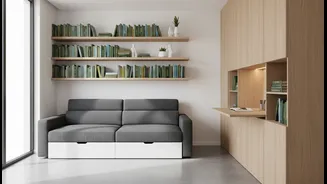
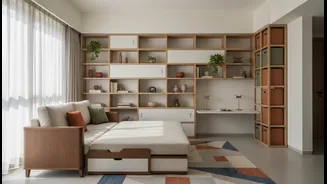
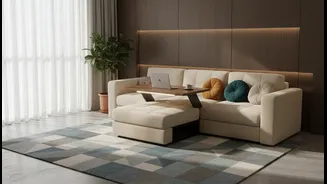
Multi-functional furniture is essential for small-space living, from sofa-cum-beds to ottomans with hidden storage. This 'dual-purpose' thinking is revolutionary when applied to wardrobes. Consider integrating a pull-out valet rod to stage the next day's outfit, or a mirror mounted on the inside of a door to save wall space. Some modern designs even incorporate a foldable ironing board or a small vanity desk within the wardrobe unit itself. Sliding doors are another multi-functional win; they eliminate the need for door-swing clearance, allowing you to place other furniture closer to the wardrobe and maximising your floor plan in a tight bedroom.
Lesson 4: Prioritise Visibility and Easy Access
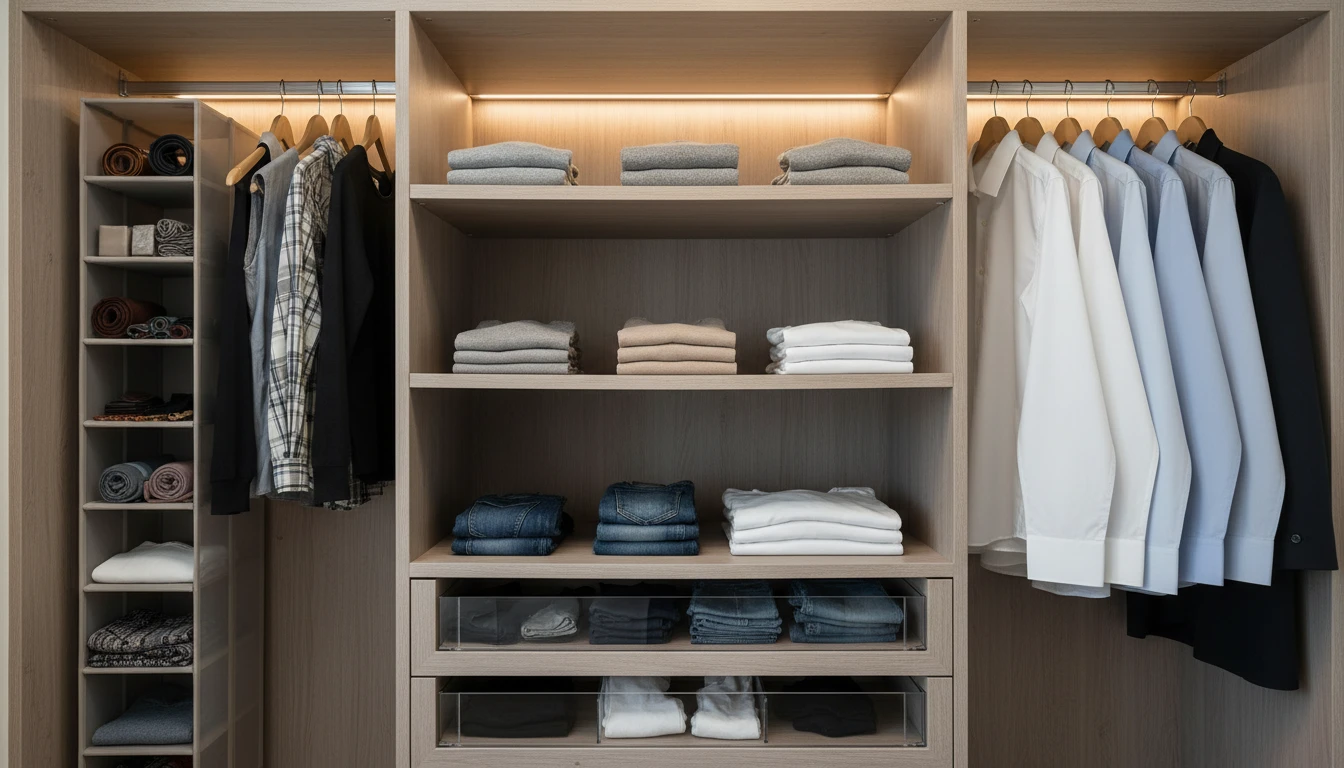
There's no point in having vast storage if you can't see or reach what's inside. Innovative kitchen designs in compact flats use pull-out pantry units and carousels to make every item accessible. This logic is crucial for wardrobes. Deep, dark shelves where clothes get lost are a common frustration. Replace them with pull-out trays and drawers. This simple change allows you to see everything at a glance, preventing you from forgetting the clothes at the back. Good lighting is another key element. Integrated LED strips that turn on when you open the door can illuminate dark corners, making it easier to find what you need without rummaging and creating a mess.
Lesson 5: Ruthless Decluttering Creates Breathing Room
Living in a small flat forces you to be intentional about what you own. Unnecessary clutter makes a home feel chaotic and cramped. This is the most important lesson for any wardrobe. Before you can organise, you must declutter. Adopt a simple rule: if you haven't worn it in a year, it’s time to donate or discard it. Regular decluttering is not just about making space; it's about curating a collection of clothes you genuinely love and wear. A clutter-free wardrobe makes getting dressed faster and less stressful. By removing the excess, you allow your favourite items to shine and create a sense of calm every time you open the doors.