






The Sheer Scale of Rural India
To understand the power of rural demand, we first need to appreciate its scale. With nearly two-thirds of the country's population residing in villages, rural India is not a niche market; it is the market. It represents the single largest consumer base
for a vast array of goods, from daily essentials to discretionary items. For many of India's largest companies, particularly in the Fast-Moving Consumer Goods (FMCG) sector, rural markets contribute between 35% and 45% of their total revenues. When this massive segment spends, the entire economy feels the lift. When it holds back, the slowdown is felt across boardrooms in Mumbai and Delhi.
The Monsoon's Dominant Role
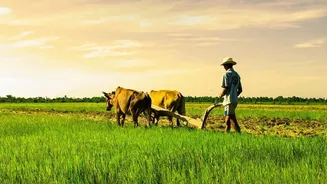
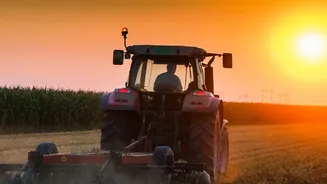
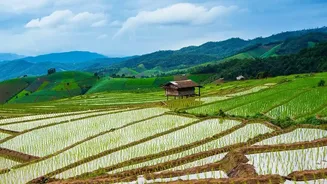
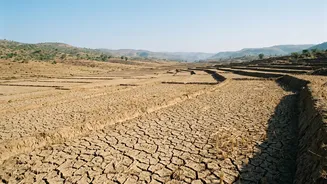
The most significant driver of rural income remains agriculture, which is heavily dependent on the monsoon. A good monsoon leads to healthy crop yields, which in turn boosts farmers' incomes and their capacity to spend. Conversely, a weak or erratic monsoon can strain the entire rural economy. This has a direct, measurable impact; some analysts estimate that even a small deviation in monsoon rainfall can significantly affect rural consumption growth. This sensitivity is why corporate leaders and economists watch weather charts as closely as they watch market data. The performance of sectors making tractors, fertilisers, and two-wheelers is often a direct reflection of the year's rainfall.
Beyond the Farm
However, it's a mistake to view the rural economy as solely dependent on agriculture. A significant and growing portion of rural income now comes from non-farm sources. This includes construction work, local manufacturing, services, and remittances from family members working in cities. Government spending on infrastructure projects like rural roads and housing, along with direct benefit transfers and employment guarantee schemes, provides a crucial income floor. This diversification makes the rural economy more resilient than before. Furthermore, rising aspirations, fuelled by increased digital connectivity and media exposure, are changing spending patterns. Rural households are increasingly spending on smartphones, consumer durables, and branded goods, shifting from loose, unbranded items to packaged ones.
A Barometer for Economic Health
Because of its size and growing influence, rural demand serves as a vital barometer for India's overall economic health. In recent years, there have been periods where rural consumption has grown faster than in urban centres, helping to prop up national growth when city demand was sluggish. When rural demand is strong, it creates a virtuous cycle: companies see higher sales volumes, leading them to increase production. This, in turn, creates more jobs, not just in rural areas but also in the industrial and logistics sectors that supply them. A slowdown, on the other hand, can lead to inventory pile-ups and force companies to cut back on production and investment plans.
The Ripple Effect on Key Sectors
The impact of rural spending is most visible in a few key sectors. For FMCG companies, it drives volume growth for products like soaps, detergents, and packaged foods. In the automotive sector, the health of the rural economy is directly linked to sales of two-wheelers and entry-level cars. Financial institutions, including banks and non-banking financial companies (NBFCs), also have significant exposure, as farm credit and personal loans are tied to the rural cash flow cycle. Even sectors like building materials see a spike in demand for products like cement and PVC pipes when farm incomes are high and construction activity picks up.