






Why Your Breakfast Needs a Protein Upgrade
For generations, many Indian breakfasts have been carbohydrate-centric. While delicious, dishes like poha, upma, or parathas can sometimes leave us feeling hungry again surprisingly quickly. This is where protein comes in. Unlike carbohydrates, which
are digested rapidly for quick energy, protein digests slowly. This gradual process provides a steady release of energy and, more importantly, keeps you feeling full and satisfied for much longer. Think of it as the difference between burning paper (carbs) and a slow-burning log (protein). One gives a quick flare, the other provides sustained warmth and power.
The Science of Satiety
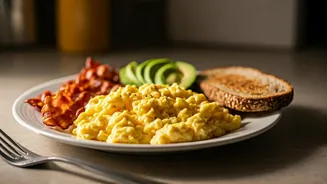
The feeling of fullness, or satiety, is controlled by hormones. Eating protein triggers the release of hormones like peptide YY and cholecystokinin, which signal to your brain that you are full. At the same time, it reduces levels of ghrelin, the 'hunger hormone'. This powerful combination is why studies consistently show that a high-protein breakfast can lead to reduced calorie intake throughout the rest of the day. You’re less likely to reach for that mid-morning samosa or sugary biscuit because your body simply doesn't feel the need for it. This makes a protein-rich breakfast a powerful, effortless tool for weight management.
Beyond Fullness: Muscle and Metabolism
Your muscles are in a constant state of being broken down and rebuilt. After a long night of fasting, your body needs amino acids—the building blocks of protein—to repair and maintain muscle tissue. A protein-rich breakfast provides these essential materials right when your body is most receptive. Furthermore, protein has a higher Thermic Effect of Food (TEF) than carbs or fats. This means your body burns more calories just to digest and metabolise protein, giving your metabolism a gentle nudge first thing in the morning.
Delicious, Protein-Packed Indian Breakfasts
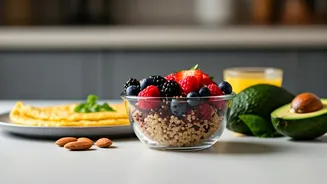
The good news is you don’t need to turn to bland protein shakes or endless eggs. The Indian kitchen is already full of fantastic protein sources. Here are some ideas to power up your morning: * Moong Dal Chilla: Made from ground moong dal, these savoury pancakes are naturally packed with plant-based protein and fibre. Season with ginger, green chillies, and coriander for a flavourful start. * Paneer Bhurji: A quick and satisfying scramble of paneer (Indian cottage cheese) with onions, tomatoes, and spices. It's incredibly versatile and can be eaten with whole-wheat toast or a small roti. * Sprouts Salad: A bowl of mixed sprouted legumes (like moong, moth, and chickpeas) with chopped onion, tomato, and a squeeze of lemon is a nutrient-dense powerhouse. It requires no cooking if you use pre-sprouted legumes. * Besan Cheela: Similar to a moong dal chilla but made with gram flour (besan), this is another excellent, quick-to-make option. You can even stuff it with grated paneer to double down on the protein. * Greek Yogurt or Hung Curd: Top a bowl of thick, strained yogurt with nuts, seeds (chia, flax, pumpkin), and a few pieces of fruit for a super-fast, no-cook breakfast that is rich in protein and probiotics.
Simple Swaps for an Instant Boost
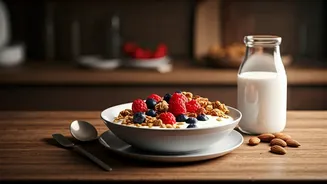
You don't need to completely overhaul your favourite breakfast. Small changes can make a big difference. If you love poha, try adding a handful of roasted peanuts or some crumbled paneer on top. If you eat idli or dosa, accompany it with a generous portion of sambar, which is rich in lentils, and a side of chutney made with peanuts or dal. Adding a handful of seeds to your oatmeal or having a glass of buttermilk (chaas) or milk alongside your meal are other effortless ways to increase your morning protein intake.