







What Exactly Is a Clay Wash?
Imagine a finish that’s part paint, part plaster, and entirely natural. That’s the essence of a clay wash. Unlike standard latex or acrylic paints, which form a plastic-like film on your walls, a clay wash is a water-based solution made from natural clays,
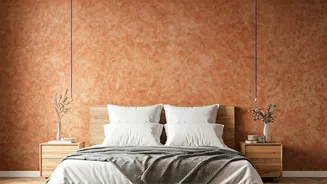
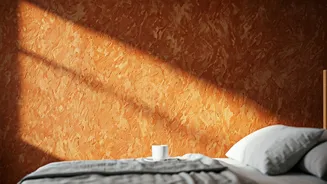
pigments, and minerals. Terracotta, derived from the Italian for “baked earth,” gives this wash its signature warm, reddish-brown hue. When applied, it doesn't just coat the surface; it bonds with it, creating a soft, matte, and slightly chalky finish that has a tangible depth and movement. It absorbs and reflects light in a gentle, diffused way, preventing the harsh glare you can get from shinier paints and adding a sense of tranquillity to a room.
The Appeal: Beyond Just Colour
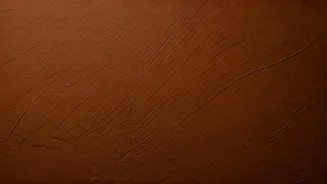
The magic of a terracotta clay wash lies in its texture. The application process, typically done with a wide, soft brush in criss-cross or sweeping motions, intentionally leaves behind subtle variations and brushstrokes. This creates a beautifully imperfect, wabi-sabi aesthetic that feels handcrafted and unique. This textured effect mimics the look of ancient sun-baked walls found in Tuscany or Rajasthan. Beyond aesthetics, clay-based finishes are also known for being breathable. This means they allow moisture to pass through the wall, which can help regulate humidity and contribute to a healthier indoor environment. They are also typically zero-VOC (Volatile Organic Compounds), making them a fantastic choice for the environmentally conscious decorator.
Choosing the Perfect Wall
An accent wall is the perfect canvas for a clay wash. Because of its rich texture and organic feel, it commands attention without overwhelming a space. Consider using it on a wall that you want to be a focal point: the wall behind your bed, the main wall in your living room where the sofa sits, or a large wall in a dining area. South or west-facing rooms that receive plenty of warm, natural light will make the terracotta tones glow. However, it can also bring immense warmth and cosiness to a darker, north-facing room, making it feel more inviting. Before you commit, always test a sample patch on your chosen wall to see how the colour and texture interact with your room’s specific lighting conditions throughout the day.
Your Essential Toolkit
Gathering your tools beforehand makes the process smooth and enjoyable. You won’t need much more than you would for a standard paint job, with one key exception. Here’s a basic list:
* **Terracotta Clay Wash:** The star of the show. Purchase enough for at least two coats.
* **A Specialised Primer:** Most clay wash brands recommend or sell a specific primer that has a slight grit to it, helping the wash adhere properly.
* **A Wide Block Brush:** This is crucial. Don’t use a roller. A 4-to-5-inch block brush with soft bristles is ideal for creating the characteristic textured strokes.
* **Mixing Bucket and Stirrer:** To ensure your wash is a consistent texture before you begin.
* **Standard Painting Supplies:** Drop cloths, painter's tape, and rags for cleanup.
The Application: A Step-by-Step Guide
The process is more of an art than a science, so embrace the imperfections. First, prep your wall as usual: clean it, patch any holes, and apply painter's tape to the edges. Apply one coat of the recommended primer and let it dry completely. Next, thoroughly mix your clay wash. Dip your block brush and begin applying the wash to the wall in random, overlapping strokes. Think 'X' shapes, arcs, and short, sweeping motions. Don't try to make it uniform—the variation is the goal. Let the first coat dry; it will likely look patchy, which is normal. Apply a second coat using the same technique. The layers will build upon each other, creating the final depth and texture. Work in small, manageable sections to maintain a wet edge and avoid hard lines.
Styling Your New Earthy Wall
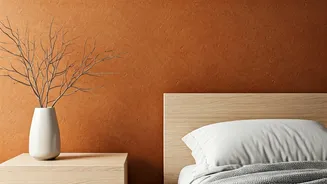
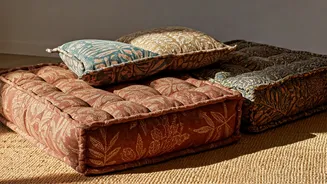
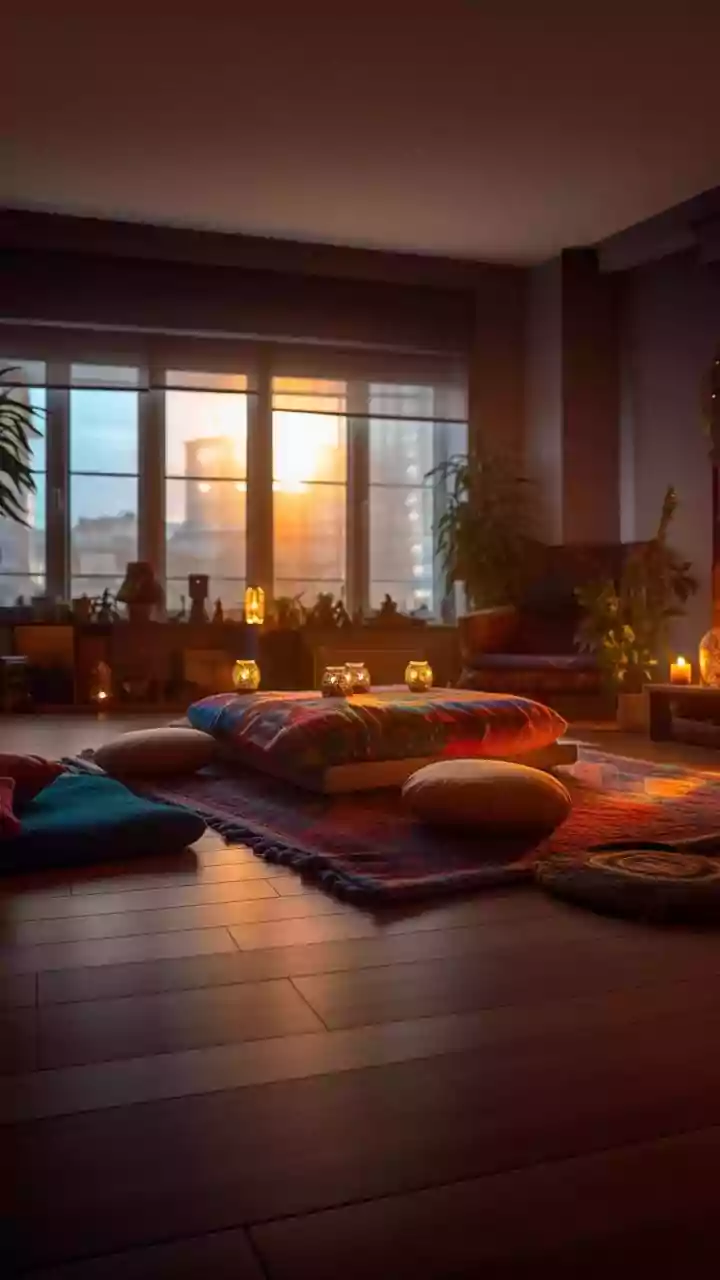
Once your wall is dry, it’s time to complete the look. The earthy, organic nature of the terracotta finish pairs beautifully with natural materials. Think furniture made from light-coloured wood like oak or ash, jute or wool rugs, and linen or cotton textiles. Decorate with handmade ceramics, woven baskets, and plenty of indoor plants to enhance the connection to nature. For lighting, choose fixtures that cast a warm, soft glow, such as shaded lamps or brass sconces, to complement the wall's inherent warmth and texture.