






Beyond the Monolith of ‘Curry’
For decades, the perception of Indian food, both at home and abroad, was often unfairly flattened into a single, homogenous category. Dominated by a handful of rich, creamy North Indian dishes, the global understanding of our cuisine rarely ventured beyond
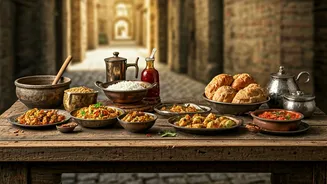
butter chicken, dal makhani, and naan. This ‘curry house’ stereotype, while delicious, painted a limited picture of a subcontinent bursting with thousands of distinct micro-cuisines, ingredients, and cooking philosophies. The richness of a Goan vindaloo, the subtlety of a Bengali shukto, and the earthiness of a Rajasthani ker sangri were often lost in translation, subsumed under the generic and convenient label of ‘curry’. This simplification did a disservice to the incredible diversity of our culinary heritage, a heritage that a new generation is now reclaiming with pride and passion.
The ‘Louder’ Revolution: Unapologetic Flavours
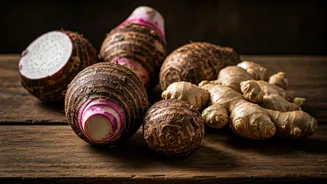
So, what does it mean for Indian flavours to get ‘louder’? It’s not about adding more chilli. It’s about amplifying authenticity and celebrating specificity. Chefs and home cooks are digging deep into their roots, unearthing forgotten family recipes and championing hyperlocal ingredients that were once confined to regional kitchens. Think of the sharp, citrusy aroma of the gondhoraj lebu from Bengal, the fermented punch of Nagaland’s axone, or the complex sourness of kokum from the Konkan coast. This new wave is about letting these distinct regional notes sing, rather than masking them. It’s a confident declaration that our food doesn't need to be toned down or adapted for a global palate. Instead, the world is being invited to appreciate Indian cuisine in its full, unapologetic, and diverse glory—from the robust flavours of the Northeast to the delicate vegetarian fare of the South.
The ‘Cleaner’ Philosophy: Ingredient Is King
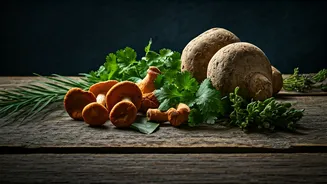
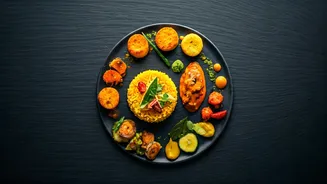
Paired with this boldness is a new-found emphasis on 'clean' cooking. This isn't about bland diet food; it's about clarity and technique. The ‘cleaner’ approach moves away from the heavy reliance on oil, ghee, and cream as the primary carriers of flavour. Instead, it puts the focus squarely on the main ingredient. Top chefs are employing modern techniques like sous-vide, dehydration, and fermentation to extract and concentrate flavours in a way that feels lighter and more refined. There's a profound respect for produce, with a push towards seasonal, locally sourced, and even foraged ingredients. This philosophy extends to plating as well, with a shift from rustic heaps to thoughtful, artistic arrangements where every element on the plate has a purpose. The result is food that is not only healthier and more digestible but also more intellectually engaging, allowing the true character of the ingredients to shine.
Chefs and Restaurants Leading the Charge
This culinary shift isn't happening in a vacuum. It’s being driven by visionary chefs across the country. Pioneers like Manish Mehrotra of Indian Accent set the stage by masterfully blending nostalgic Indian flavours with global techniques, proving that Indian food could be both inventive and rooted. Today, a new generation is taking the baton and running with it. Chefs like Prateek Sadhu, formerly of Masque in Mumbai, championed a radical farm-to-table ethos, creating tasting menus based on ingredients foraged from the Himalayas. Thomas Zacharias, through his project The Locavore, is on a mission to document and celebrate India's regional biodiversity. In restaurants from Chennai to Delhi, chefs are proudly putting millets, local greens, and regional cheeses on their menus, challenging diners to expand their culinary horizons and discover the true taste of India.
A New Culinary Confidence
Ultimately, this trend is about more than just food; it reflects a broader cultural shift. It’s a story of a new India, one that is confident enough to look inward for inspiration rather than outward for validation. For years, fine dining often meant French or Italian cuisine. Today, a meal celebrating the ingredients of a specific Indian region is seen as the pinnacle of gastronomic excellence. This newfound pride is trickling down from fine-dining restaurants to home kitchens, where people are showing renewed interest in their grandmothers' recipes and exploring the culinary traditions of their own communities. We are finally celebrating our own food on our own terms, and the world is taking notice. The return of ‘louder’ and ‘cleaner’ Indian flavours is a delicious testament to the power of embracing our own heritage.