





The Meaning of 'Natural' in India
In India, the Food Safety and Standards Authority of India (FSSAI) has rules for using the word 'natural'. The term can be used for a single-ingredient food from a plant, animal, or mineral source that has only undergone minimal processing like washing
or peeling. Composite foods can't be called 'natural' but might be labelled as "made from natural ingredients" if everything inside meets the criteria. However, FSSAI has been increasing its scrutiny on such claims, as the term can still create a misleading impression of health. Unlike 'organic', which requires strict certification, 'natural' can be a much greyer area for consumers to navigate.
Nature's Own Dangers
The belief that everything from nature is good for us is a logical pitfall known as the 'appeal to nature fallacy'. The truth is, nature is filled with substances that are highly toxic to humans. Deadly poisons like ricin from castor beans, cyanide in certain fruit seeds, and potent toxins from specific mushrooms or bacteria are entirely natural. Mycotoxins, which are harmful compounds produced by moulds on crops like cereals and nuts, are also a natural phenomenon that can pose serious health risks. These examples serve as a stark reminder that 'natural' is not a guarantee of safety.
The 'Natural' Sugar Dilemma
Many people swap white sugar for 'natural' alternatives like honey, jaggery (gur), or agave, believing them to be healthier. While sweeteners like jaggery and raw honey are less processed and do retain some micronutrients like iron, magnesium, and antioxidants, they are still high in calories. Your body metabolises the sugar in honey and jaggery in a very similar way to refined sugar, and overconsumption can lead to the same health issues, including weight gain and blood sugar spikes. While they may be slightly better choices nutritionally, moderation remains the most important factor, regardless of the sweetener's source.
When Herbal Isn't Harmless
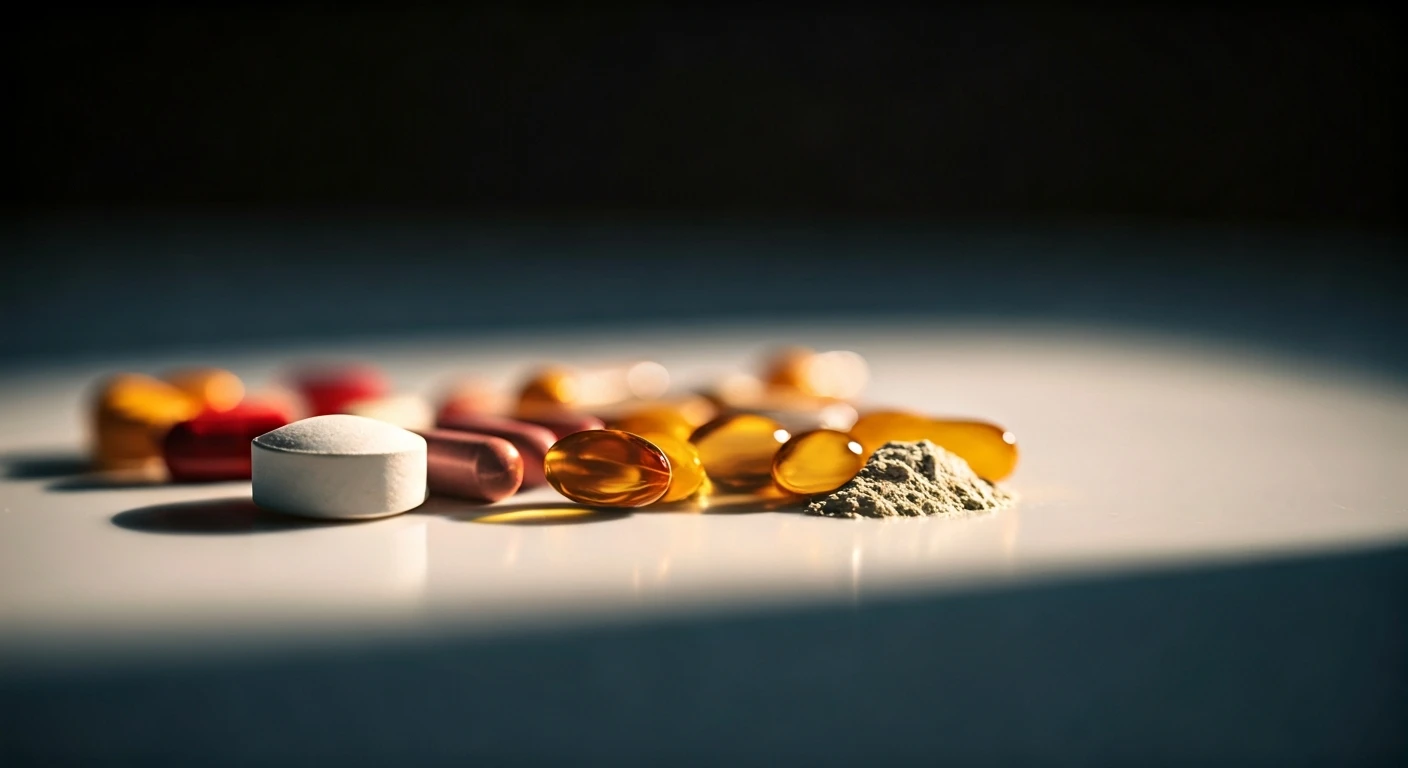
The wellness market is flooded with herbal and Ayurvedic supplements promoted as natural paths to health. However, 'natural' does not mean 'free of side effects'. Many herbal products can cause adverse reactions, interact dangerously with prescription medications, or even cause liver damage (hepatotoxicity). Herbs like Ashwagandha, Green Tea Extract, and Turmeric, while beneficial for many, have been linked to liver injury in some cases, especially when taken in concentrated forms or for prolonged periods. Contamination with heavy metals like lead and arsenic is another concern in some unregulated products. Unlike pharmaceutical drugs, many supplements don't undergo the same rigorous safety and efficacy testing.
Becoming a Smarter Shopper
Navigating the supermarket aisles requires a critical eye that looks beyond the front-of-pack claims. The most effective strategy is to ignore the buzzwords and turn the package over. Read the full ingredients list. Are there hidden sugars, excessive sodium, or highly processed components? Look at the nutrition information to understand the per-serving content of fat, sugar, and salt. Be wary of claims that sound too good to be true, such as promises to cure diseases, which are prohibited by FSSAI. True healthfulness comes from the overall nutritional profile of a food, not from a single marketing word on its label.