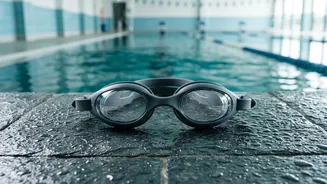



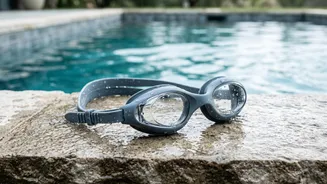
That feeling of being out of breath is the most common barrier to enjoying swimming. Many swimmers, new and old, fight for air, creating panic. The solution isn't speed or strength, but finding a gentle, comfortable rhythm that puts you in control.
The Cycle of Breathlessness
For
many, the biggest challenge in swimming isn't the physical exertion but the struggle to breathe. Instructors often say that breath control is the first and most important skill to learn. A common mistake for beginners is holding their breath underwater. This creates a buildup of carbon dioxide and a feeling of desperation, causing them to lift their head too high or rush the inhale. This panicked action disrupts body alignment, causes the hips to sink, and increases drag, making swimming feel much harder than it should. This cycle of holding your breath, panicking, and disrupting your form is why even physically fit individuals can feel exhausted after just a short swim. The key is to break this cycle by focusing on rhythm and relaxation, not speed.
Why A Slower Pace is Your Ally
Slowing down is the single most effective strategy for mastering breath control. When you aren't rushing to get to the other side of the pool, you give your brain the space to focus on technique. A gentle pace allows you to concentrate on coordinating your breathing with your arm and body movements. Instead of feeling rushed, you can establish a calm, consistent rhythm. This approach helps reduce anxiety and builds confidence in the water. At a slower speed, the demand for oxygen is lower, allowing your respiratory rate to stay closer to its resting state. This gives you the opportunity to practice proper technique without the added stress of physical exhaustion, making your time in the pool more enjoyable and productive.
Mastering the Underwater Exhale
The secret to a calm, effective inhale is a complete and steady exhale underwater. Many swimmers make the mistake of trying to both exhale and inhale in the brief moment their head is out of the water. This is inefficient and leads to shallow, panicked breaths. The correct technique is to exhale continuously through your nose, or nose and mouth, the entire time your face is submerged. This ensures your lungs are empty and ready for a fresh intake of air when you turn to breathe. A full exhale is what prevents the feeling of being 'winded'. Think of it as a gentle, continuous stream of bubbles, not a forceful burst. This steady release of air keeps you relaxed and prepares you for a quick, efficient inhale.
Simple Drills for Better Breathing
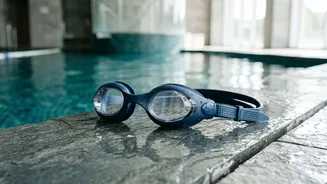
You can improve your breath control with a few simple drills performed at a comfortable pace. One of the most basic is 'bobs'. Simply stand in the shallow end, take a breath, submerge your head while exhaling slowly, and then resurface to inhale. Another effective drill involves using a kickboard. Hold the board with both hands and kick gently across the pool. Practice turning your head to the side to breathe, keeping one goggle in the water, while maintaining your slow, steady exhale when your face is down. You can also practice bilateral breathing, which is breathing on both sides, by alternating every three or five strokes. This promotes balance and a more symmetrical stroke. These exercises isolate the breathing motion, allowing you to perfect it without worrying about complex arm movements.
Integrating Breath and Body
Once you are comfortable exhaling underwater, the final step is to sync your breath with your body's rotation. In freestyle, your breath should be part of the natural roll of your body, not a separate, jarring head lift. As one arm pulls through the water and your body rotates, a small pocket of air will form near your mouth, allowing you to take a quick breath. It’s crucial to keep your leading arm extended for support during the breath, as dropping it will cause your body to sink. There is no single correct breathing pattern; some swimmers breathe every two strokes, while others prefer every three. The goal is to find a rhythm that feels comfortable and sustainable for you. Focus on a smooth, coordinated movement where the breath becomes an effortless part of the stroke.