






The Big Picture: What's Happening Out There?
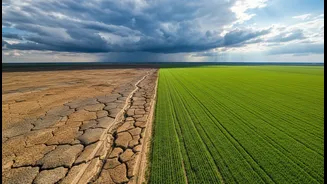
Several major global factors are currently putting pressure on our food systems. Extreme weather events, intensified by climate change, are a primary driver. An expected powerful El Niño in the second half of 2026 threatens agricultural output across
Asia and Africa with droughts and floods. These conditions disrupt harvests for staple crops, with yields for major crops like maize and wheat projected to decline as temperatures rise. At the same time, geopolitical instability has a direct impact. For example, conflicts can disrupt the supply and drive up the cost of essential inputs like fertilizer, affecting crop yields months later and thousands of miles away. While global food prices saw a slight dip in June 2026, they remain higher than a year ago, reflecting this ongoing volatility.
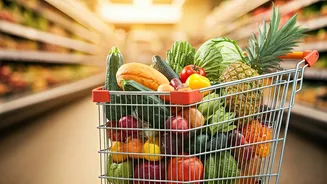
From Global Events to Your Grocery Trolley
These macro trends don't stay in the headlines; they ripple directly into our local supermarkets. A freeze in one part of the world can lead to higher prices for canned tomatoes, while disruptions in international shipping routes can affect the availability and cost of everything from coconut milk to spices. Reduced harvests mean tighter supplies, and higher fuel and fertilizer costs for farmers eventually translate into higher prices for consumers. This complex web of factors is why the cost of basic items can feel unpredictable. It's not just one thing, but a 'layer cake' of pressures on labour, fuel, and raw materials that are reshaping our grocery bills.
The New Kitchen Strategy: Planning for Resilience
While we can't control global weather or trade policy, we can change how we plan, shop, and cook at home. Adopting a more resilient kitchen strategy helps absorb the shocks of price swings and availability issues. This isn't about extreme prepping, but about making smart, conscious choices that give you more control over your food budget and reduce dependence on a fragile supply chain. It involves a shift in mindset: from simply buying what you want, to planning around what is available, affordable, and sensible.
Embrace Local and Seasonal Eating
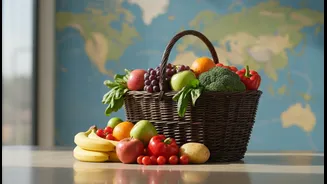
One of the most effective strategies is to align your diet with the seasons. Foods that are in season and grown locally are typically more abundant, which makes them less expensive. They are also fresher, more nutritious, and require less transportation, reducing their carbon footprint. Indian food traditions have always been deeply connected to the seasons, with diets naturally shifting to lighter, cooling foods in summer and warmer, nourishing meals in winter. Reconnecting with this wisdom by visiting a local sabziwala instead of relying solely on supermarkets can introduce variety, flavour, and affordability back into your meals.
Become a Master of Reducing Waste
In India, a significant amount of food is wasted at the household level. Tackling this is a powerful way to save money. Simple habits can make a huge difference. Plan your meals for the week before you shop to avoid impulse buys and use what you already have. Implement the 'First In, First Out' (FIFO) method in your fridge and pantry, ensuring older items get used before they expire. Get creative with leftovers instead of discarding them; vegetable scraps can become stock, and stale bread can be turned into croutons. Proper food storage is also key to extending the life of your groceries and making your money go further.
Cook from Scratch and Be Flexible
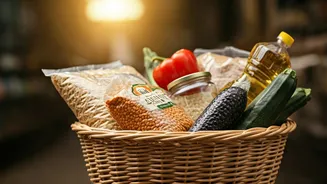
Convenience comes at a cost. Packaged and pre-prepared foods are almost always more expensive than their core ingredients. Learning to cook from scratch is a foundational skill for fighting food inflation. This doesn't have to be complicated. Simple acts like cooking with dried beans instead of canned, or making your own sauces, can lead to significant savings. Flexibility is also crucial. If a particular vegetable is expensive, be ready to substitute it with a more affordable alternative. If meat prices are high, try incorporating more plant-based proteins like lentils and beans, which are both economical and nutritious.