
Understand Late-Monsoon River Conditions
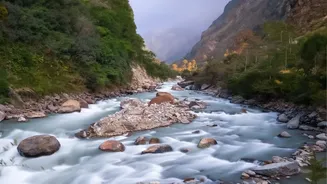
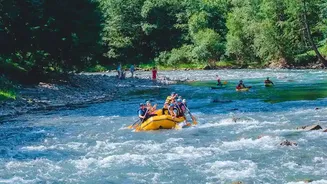
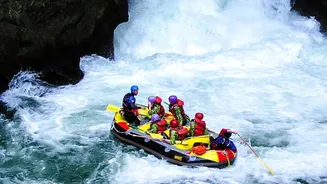
Late September marks the gradual reopening of rafting in Rishikesh after the monsoon closure from July to mid-September. During this period, the river can be unpredictable. While the landscape is lush and green, the water flow can still be strong and inconsistent
due to post-monsoon runoff. This is not the time for casual bookings. The increased water volume can alter the nature of rapids, making some sections more challenging than they are in the dry season. Authorities from the Uttarakhand Tourism Development Board (UTDB) only permit operations to resume when conditions are deemed safe, but it's essential for travellers to be aware that this is a transitional period requiring extra caution.
Verify Government Authorisation
Your first and most critical check is for official licensing. All legitimate rafting operators in Rishikesh must be registered with and approved by the Uttarakhand Tourism Development Board (UTDB). This isn't just paperwork; it ensures the operator meets specific safety and equipment standards mandated by the government. Reputable companies will often display their registration details on their website or at their booking office. Do not hesitate to ask for proof of their license. An operator who cannot or will not produce this is a major red flag and should be avoided, as unlicensed rafting is illegal and unsafe.
Question Instructor Experience and Certification
A great adventure hinges on a great guide. An experienced instructor does more than just steer the raft; they read the river, manage risks, and lead emergency responses. When booking, ask specific questions about your guide's qualifications. Look for certifications from recognized bodies like the National Institute of Water Sports (NIWS), the Atal Bihari Vajpayee Institute of Mountaineering and Allied Sports (ABVIMAS), or the International Rafting Federation (IRF). Ask about their years of experience, specifically on the Ganga's rapids. A qualified guide will hold certifications in Swiftwater Rescue and first aid/CPR, ensuring they are prepared for any eventuality. An operator proud of its team will be transparent about their credentials.
Inspect the Raft and Safety Gear
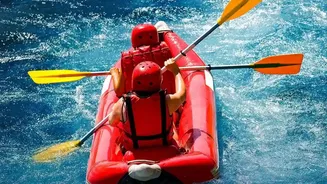
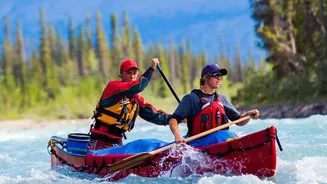
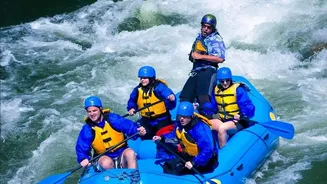
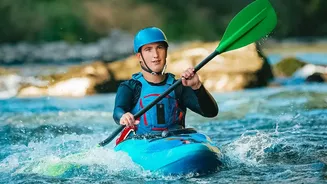
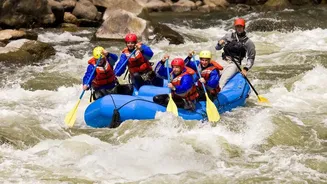
Never compromise on equipment. Before your trip begins, take a moment to inspect the gear provided. Life jackets (also called Personal Flotation Devices or PFDs) and helmets are non-negotiable and must be worn at all times. Ensure your life jacket fits snugly and is not oversized, as a loose jacket is ineffective. Helmets should be free of cracks. The raft itself should appear well-maintained, without obvious patches or signs of excessive wear. A professional operator provides high-quality, well-maintained equipment as a standard part of their service. If the gear looks old, damaged, or insufficient, it's a clear sign that the operator is cutting corners on safety.
Demand a Comprehensive Safety Briefing
A thorough safety briefing before you even touch the water is the hallmark of a professional crew. This briefing should be more than a quick welcome. It must cover essential commands, proper paddling techniques, how to sit and hold on in the raft, and, most importantly, what to do if you fall overboard. The guide should explain how to float in the 'white water float position' (on your back with feet pointing downstream) to protect yourself from rocks. If the briefing feels rushed or incomplete, speak up. Your understanding of these procedures is a critical part of the safety system.
Don’t Let Price Be Your Only Guide
In Rishikesh, rafting prices can vary significantly, and it can be tempting to go for the cheapest deal. However, an unusually low price may indicate that the operator is skimping on crucial elements like guide training, equipment maintenance, or proper licensing. A higher price often reflects investment in experienced, certified guides, top-tier equipment, and adherence to safety regulations, such as limits on the number of trips a guide can do per day to avoid fatigue. While budget is a factor for every traveller, safety should be the primary investment for an adventure sport like river rafting.