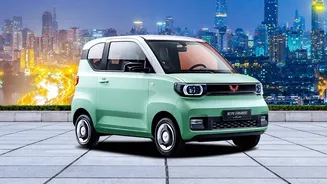

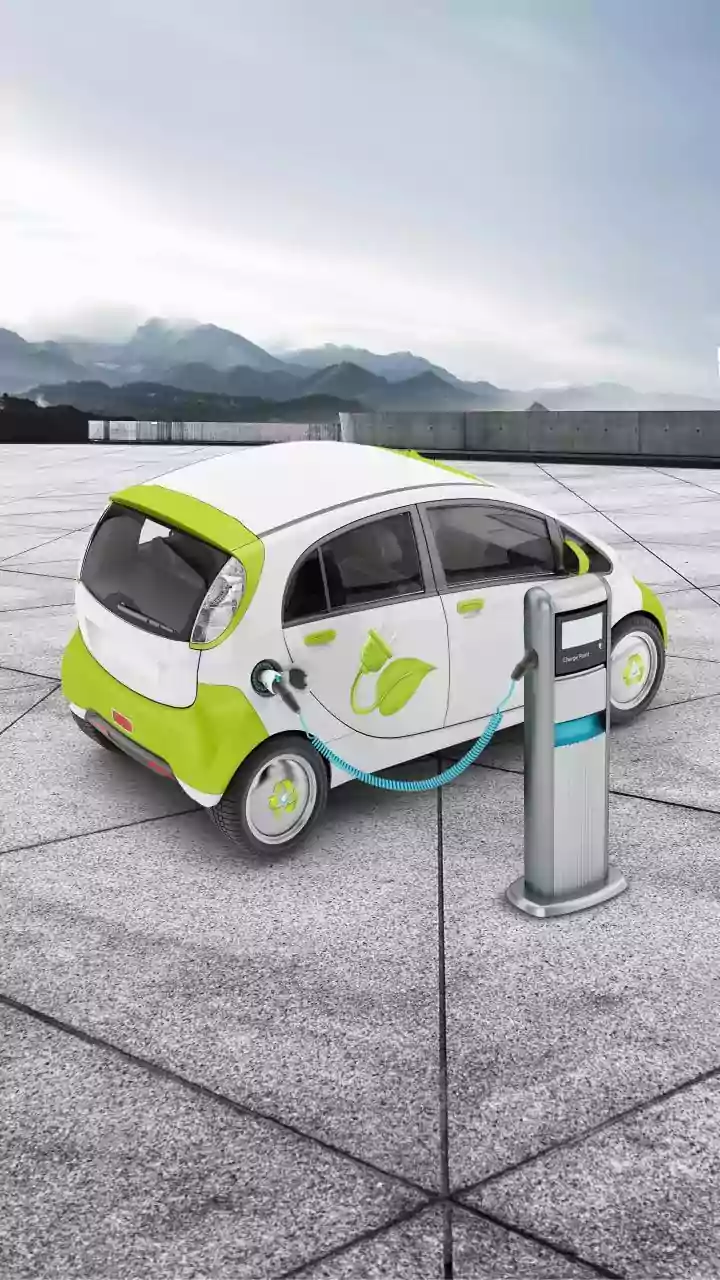
The EV Revolution Takes Charge
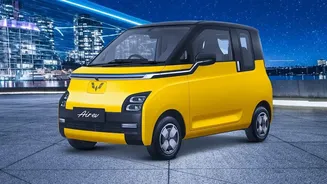
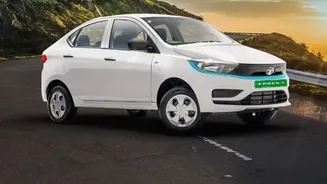
Battery Electric Vehicles (BEVs) are at the forefront of this transformation. Led by domestic players like Tata Motors, EVs have moved from a niche interest to a mainstream consideration for many buyers. The government has provided significant tailwinds
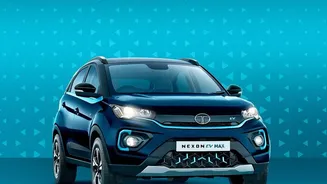
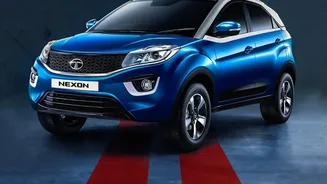
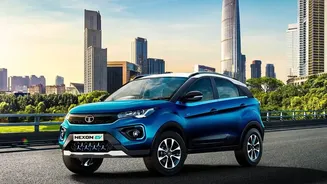
through schemes offering subsidies, lower GST rates of just 5% for EVs compared to much higher rates for petrol cars, and income tax deductions on loans for EV purchases. Tata Motors has been particularly aggressive, capturing a dominant market share with a growing portfolio that includes popular models like the Nexon.ev and Punch.ev. The company plans to launch four new EV models and upgrade its existing lineup by fiscal year 2031, with technological leaps promising 2-3 times more range and significantly faster charging. This focus on overcoming 'range anxiety' is crucial, as the company aims for EVs to make up over 30% of its sales by FY31.
Hybrids: The Practical Bridge to the Future?
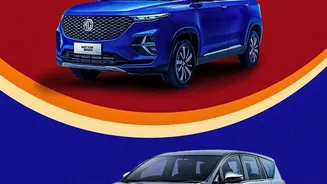
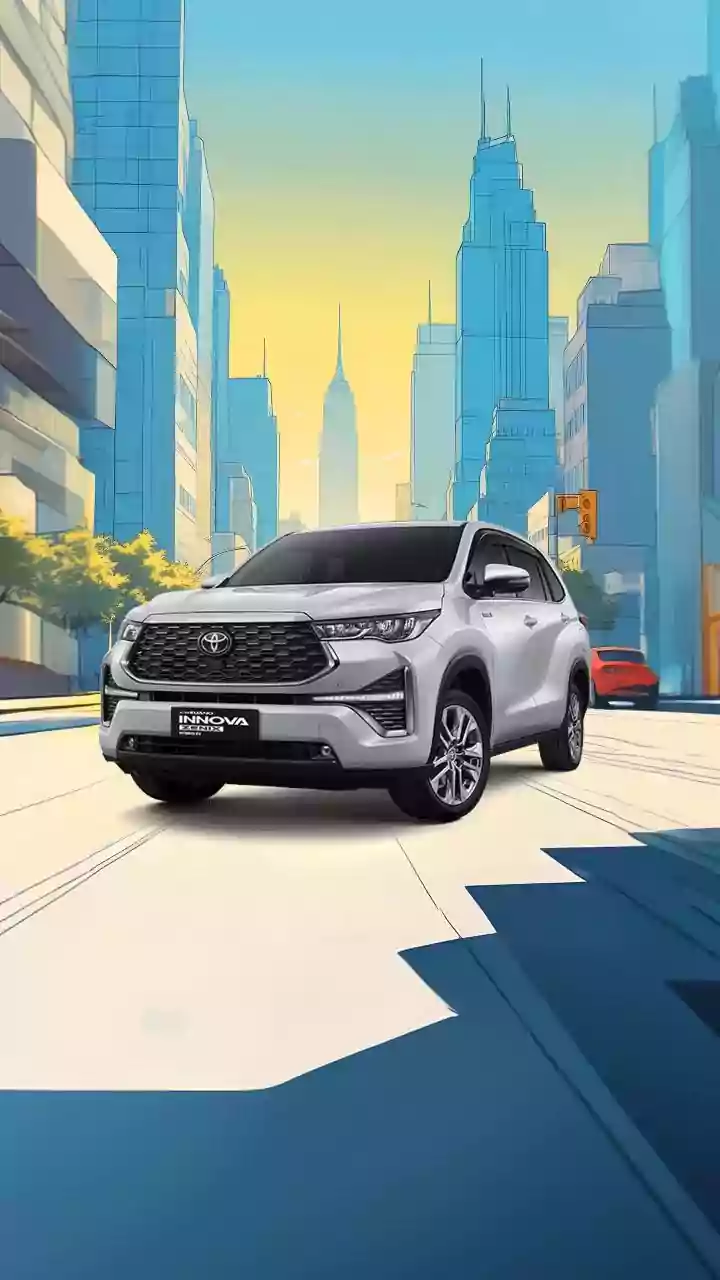
While EVs grab headlines, another storyline is unfolding with hybrid vehicles, which combine a petrol engine with an electric motor. This strategy is championed by giants like Maruti Suzuki and Toyota. Hybrids offer a compelling middle ground: better fuel efficiency than conventional cars without the dependency on charging infrastructure that pure EVs require. This makes them a practical choice for many Indian consumers, especially given the current state of public charging. However, the path for hybrids is complicated by government policy, which currently taxes them at a much higher rate than EVs, making them less financially attractive. Despite this, the market is set to expand, with manufacturers like Maruti, Hyundai, Kia, and Honda all planning new hybrid launches. Suzuki has even confirmed development of new series-hybrid and plug-in hybrid systems for its compact cars, signaling a deeper commitment to this bridging technology.
The Rise of Other Alternatives
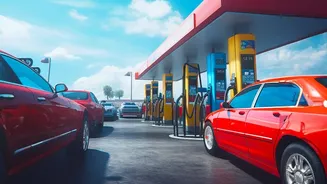
The shift to cleaner powertrains in India is not a two-horse race. Compressed Natural Gas (CNG) has seen a significant surge in popularity, driven by its lower running costs, especially amid fluctuating petrol prices. In August 2026, the combined share of CNG, hybrid, and electric vehicles surpassed that of petrol cars for the first time, with CNG vehicles reaching a record-high market share of 25%. This highlights the cost-sensitive nature of the Indian market, where operational savings are a major driver of consumer choice. Carmakers have responded by expanding their CNG offerings, positioning it as a mature and reliable alternative. As India moves towards stricter emission norms, a multi-powertrain market where petrol, CNG, hybrids, and EVs coexist seems the most likely outcome for the foreseeable future.
Roadblocks on the Green Highway
The journey towards a cleaner automotive future is not without significant hurdles. For EVs, the most cited challenges are inadequate charging infrastructure, high upfront costs, and consumer concerns about range and battery life. As of early 2026, India had a ratio of about one public charger for every 225 EVs, a far cry from the density in markets like China. A recent report also highlighted that beyond the sheer number of chargers, issues like reliability, interoperability between networks, and the cost of charging are becoming significant pain points for users. For hybrids, the primary barrier remains the unfavourable tax structure compared to EVs, which dampens their price competitiveness. Overcoming these interconnected challenges will be critical to achieving India's ambitious goal of 30% EV penetration by 2030.